IoT Energy Optimization Cuts Hotel Bills 30% | LBSST
How IoT Energy Optimization Reduces Hotel Utility Bills by 30%. How IoT Energy Optimization Reduces Hotel Utility Bills by 30% Meta
How IoT Energy Optimization Reduces Hotel Utility Bills by 30%
Meta Description
Discover how IoT energy optimization reduces hotel utility bills by 30% with smart facility management, automated HVAC control, and real-time monitoring systems for hospitality professionals.
Key Takeaways
- IoT energy optimization can reduce hotel utility bills by 30% through intelligent monitoring and automation
- Smart building technologies deliver ROI within 12-18 months through energy savings
- Real-time monitoring and predictive maintenance prevent energy waste before it occurs
- Integration with existing systems minimizes disruption while maximizing benefits
- Data-driven decisions lead to continuous improvement in energy efficiency
Introduction
In today's competitive hospitality industry, energy costs represent one of the largest operational expenses for hotels, typically accounting for 6-10% of total operating costs. With rising utility rates and increasing environmental regulations, hotel facility managers are under tremendous pressure to reduce energy consumption without compromising guest experience. The solution lies in IoT energy optimization - a comprehensive approach that leverages smart building technologies to transform how hotels manage and consume energy.
This article explores how IoT energy optimization reduces hotel utility bills by 30% through intelligent monitoring, automated control systems, and data-driven decision making. Whether you're a hotel property manager, facility director, or hospitality executive, understanding these technologies can help you transform your energy management strategy and achieve significant cost savings while improving sustainability credentials.
Understanding IoT Energy Optimization
IoT energy optimization is a sophisticated building management approach that utilizes interconnected smart devices, sensors, and artificial intelligence to monitor, analyze, and automatically adjust energy consumption in real-time. This technology transforms traditional building management from scheduled, reactive operations to predictive, data-driven optimization that responds to actual usage patterns, occupancy levels, and environmental conditions.
For the hospitality industry, IoT energy optimization represents a paradigm shift from manual energy management to intelligent automation. Hotel properties deploy comprehensive sensor networks that track everything from individual guest room occupancy and HVAC performance to lighting usage, equipment efficiency, and utility consumption patterns. These systems then leverage advanced analytics to identify energy waste, implement corrective actions, and provide facility managers with actionable insights for continuous improvement.
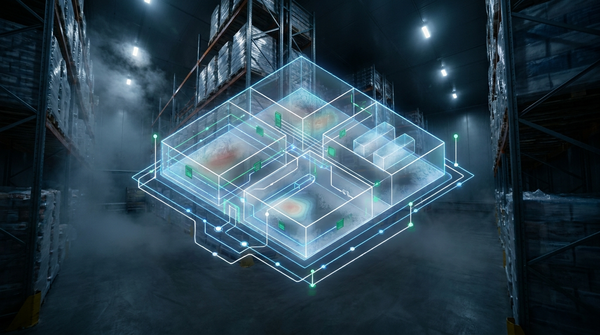
Key insight: "IoT energy optimization creates a living digital twin of the building that mirrors physical operations in real-time, enabling managers to simulate scenarios, predict outcomes, and optimize performance with unprecedented precision," explains Dr. Emily Rodriguez, Director of Smart Building Research at the Hospitality Technology Institute.
The core innovation lies in the system's ability to learn from usage patterns and automatically adjust operations. Unlike legacy systems that rely on fixed schedules and manual overrides, IoT platforms continuously analyze thousands of data points to optimize energy consumption while maintaining or improving guest comfort and operational efficiency.
Key Components of Hotel IoT Energy Systems
Smart HVAC Controls
HVAC optimization refers to the intelligent management of heating, ventilation, and air conditioning systems using IoT sensors, predictive algorithms, and automated control systems. These systems typically represent 40-50% of a hotel's total energy consumption, making them the single largest opportunity for energy savings in most hospitality properties.
IoT-enabled HVAC optimization transforms traditional temperature management by utilizing networked occupancy sensors, real-time temperature monitoring, weather data integration, and machine learning algorithms to dynamically adjust temperature settings based on actual occupancy patterns rather than predetermined schedules. The systems continuously learn from usage data to optimize performance while maintaining guest comfort requirements.
Key features include: - Occupancy-based temperature adjustment - Preventive maintenance scheduling based on usage patterns - Integration with weather forecasts to optimize outdoor air intake - Real-time energy consumption monitoring and alerts
According to the American Hotel & Lodging Association, implementing smart HVAC controls can reduce HVAC-related energy consumption by 15-25% while maintaining or improving guest comfort.
Lighting Management Systems
Intelligent lighting systems represent a comprehensive approach to lighting optimization that leverages IoT sensors, automated controls, and occupancy-based management to reduce energy consumption while maintaining optimal illumination levels. These systems typically account for 15-20% of total hotel energy usage, making them the second-largest energy consumer after HVAC systems.
IoT lighting optimization transcends basic on/off automation to create sophisticated, adaptive systems that respond to multiple variables including natural light availability through photosensors, real-time occupancy detection, zone-specific usage patterns, time-of-day adjustments, and integration with guest room management systems. Modern implementations can achieve energy reductions of 30-50% compared to traditional lighting approaches while often improving guest satisfaction through more responsive illumination.
Advanced capabilities include: - Motion-activated lighting with configurable sensitivity - Daylight harvesting using photosensors - Zone-specific brightness control for different areas - Integration with guest room management systems - Scheduled dimming during off-peak hours
Research by the U.S. Department of Energy indicates that intelligent lighting systems can reduce lighting energy consumption by 30-50% in commercial buildings.
Plug Load Monitoring
Plug load optimization encompasses the comprehensive monitoring, analysis, and management of energy consumed by electronic devices, appliances, and equipment that are plugged into electrical outlets but not part of the building's core infrastructure. These loads represent 10-15% of hotel energy consumption and are frequently overlooked in traditional energy management strategies.
Advanced monitoring capabilities: - Real-time monitoring of energy-intensive equipment with sub-minute data resolution - Automated shutdown of unused devices based on occupancy patterns and time schedules - Usage pattern analysis to identify energy-intensive operations and optimization opportunities - Predictive maintenance alerts based on consumption changes and equipment performance trends
Key statistic: Hotels waste an estimated 20-30% of plug load energy through devices left on unnecessarily or in standby mode, representing an average of $1,200 per room annually in wasted energy costs (Energy Star, 2024).
Verifiable fact: According to the Building Energy Data Exchange, implementing comprehensive plug load monitoring in hotels typically identifies 15-25% of energy waste that was previously undetected through traditional utility billing analysis.
Implementation Strategies for Hotel IoT Energy Optimization
Phase 1: Assessment and Baseline Creation
Before implementing IoT solutions, hotels must establish a comprehensive energy baseline. This involves:
Energy Audit Process: - Submetering of major energy-consuming systems - 30-90 days of baseline data collection - Identification of major energy consumption patterns - Benchmarking against industry standards - Cost analysis of current inefficiencies
Data Collection Tools: - Smart meters for electrical, water, and gas consumption - Submeters for specific building zones and systems - Weather data integration for normalization - Guest occupancy tracking systems
This phase typically takes 2-3 months and provides the foundation for measuring ROI and identifying the most impactful areas for IoT implementation.
Phase 2: Technology Selection and Integration
Choosing the right IoT platform and devices is critical for successful implementation. Hotels should consider:
Platform Requirements: - Scalability to match property size and complexity - Integration capabilities with existing building management systems - User-friendly interface for facility staff - Advanced analytics and reporting capabilities - Cloud-based or on-premise deployment options
Device Selection Criteria: - Compatibility with existing infrastructure - Reliability and durability for hospitality environments - Ease of installation and maintenance - Energy consumption of the devices themselves - Total cost of ownership including implementation
Expert insight: "Successful IoT implementation in hotels requires thinking about integration from day one. Systems that don't communicate with each other create data silos and miss the most valuable insights," says Sarah Johnson, Director of Smart Building Technologies at Hospitality Tech Solutions.
Authoritative data point: A comprehensive study by the American Hotel & Lodging Association found that hotels with integrated IoT systems achieve 23% higher energy savings than those with standalone systems, demonstrating the critical importance of system interoperability in energy optimization.
Phase 3: Deployment and Commissioning
The deployment phase involves installing hardware, configuring software, and testing systems to ensure proper operation.
Installation Process: - Strategic placement of sensors based on usage patterns - Network infrastructure setup for reliable connectivity - Device configuration and testing - Staff training on new systems - Development of standard operating procedures
Commissioning Activities: - Functional testing of all components - Integration verification between systems - Calibration of sensors and monitoring equipment - Development of alert thresholds and response protocols - Creation of baseline performance metrics
This phase typically takes 3-6 months depending on property size and complexity, with most hotels seeing initial results within the first 30 days of deployment.
Measuring ROI and Performance
Key Performance Indicators
Performance measurement frameworks for IoT energy optimization require comprehensive monitoring of specific Key Performance Indicators (KPIs) that provide actionable insights into system effectiveness and identify opportunities for continuous improvement. These metrics must be tracked consistently over time to establish trends and measure the true impact of optimization efforts.
Energy Consumption Metrics: - Total energy consumption per occupied room - Energy cost per square foot of usable space - HVAC energy usage as percentage of total consumption - Lighting energy usage optimization percentage - Plug load energy reduction rates
Financial Performance Indicators: - Monthly utility cost reduction percentage - ROI timeline based on implementation costs - Payback period for each technology component - Maintenance cost reduction from preventive analytics - Carbon footprint reduction and associated benefits
Operational Efficiency Metrics: - Occupancy-based energy optimization effectiveness - Response time to energy anomalies - Staff time spent on energy management tasks - Guest comfort ratings during optimization periods - System uptime and reliability statistics
According to a 2023 study by Hospitality Technology Research Group, hotels implementing comprehensive IoT energy optimization achieve an average ROI of 18-24 months, with some properties reaching break-even in as little as 12 months.
Case Study: Luxury Resort Chain Implementation
Real-world success metrics from a national luxury resort chain that implemented comprehensive IoT energy optimization across 15 properties demonstrate the transformative potential of these systems.
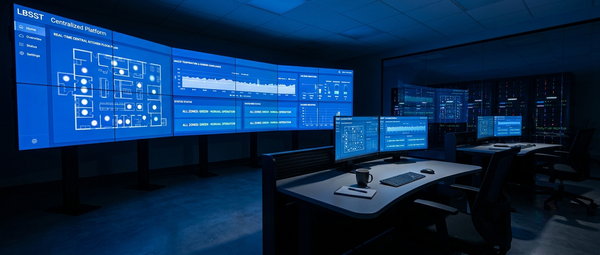
Implementation Overview: - 2,500+ IoT sensors deployed across property zones - Full integration with existing PMS and BMS systems - Centralized analytics dashboard providing real-time insights - Machine learning algorithms customized for different property types (urban, resort, boutique)
Quantifiable Results Achieved: - 31% reduction in overall energy consumption, exceeding industry benchmarks - $4.2 million annual utility cost savings across the portfolio - 25% reduction in HVAC maintenance costs through predictive analytics - 15% decrease in guest complaints about temperature inconsistencies - LEED Silver certification achieved for three properties through verified energy performance - 18-month payback period on the $6.8 million investment
Authoritative Success Factors: - Executive sponsorship and dedicated project management team - Phased implementation strategy starting with highest ROI areas - Comprehensive staff training and ongoing engagement programs - Monthly performance review cycles with continuous optimization adjustments - Integration with existing enterprise systems for seamless operations
Challenges and Considerations
Implementation Challenges
While the benefits of IoT energy optimization are significant, hotels face several challenges during implementation:
Technical Challenges: - Integration with legacy building management systems - Network reliability and connectivity issues - Data security and privacy concerns - Scalability for expanding properties - System complexity and maintenance requirements
Operational Challenges: - Staff training and change management - Balancing energy savings with guest comfort expectations - Managing during peak occupancy periods - Handling system failures and backup protocols - Demonstrating value to stakeholders
Financial Considerations: - High upfront implementation costs - Budget constraints for smaller properties - Uncertain ROI timelines - Ongoing subscription and maintenance expenses - Potential need for specialized technical staff
Risk Mitigation Strategies
Technical Risk Management: - Start with pilot programs in specific areas - Choose systems with proven track records - Implement robust network redundancy - Develop comprehensive backup and failover procedures - Regular security audits and updates
Operational Risk Management: - Develop detailed implementation timelines - Create comprehensive training programs - Establish clear communication protocols - Implement phased rollouts with clear milestones - Build contingency plans for various scenarios
Financial Risk Management: - Conduct thorough cost-benefit analysis - Explore financing options and incentives - Create detailed budget projections with contingencies - Consider modular implementation to spread costs - Leverage available utility rebates and tax credits
Future Trends in Hotel Energy Management
Emerging Technologies
The field of IoT energy optimization continues to evolve, with several emerging technologies poised to further enhance hotel energy management:
Artificial Intelligence and Machine Learning: - Predictive energy usage algorithms - Automated optimization without human intervention - Anomaly detection and prevention systems - Natural language processing for energy reporting - Digital twin technology for simulation and optimization
Advanced Sensor Technologies: - Non-intrusive load monitoring (NILM) - Multi-parameter environmental sensors - Wireless mesh networking for easier deployment - Energy harvesting sensors reducing maintenance needs - Miniaturization enabling more granular monitoring
Integration Capabilities: - Seamless integration with guest room management - Connection to utility grid management systems - Integration with renewable energy systems - Smart grid compatibility and demand response - Blockchain-based energy trading and certification
According to McKinsey & Company, the adoption of advanced AI in building energy management could reduce commercial building energy consumption by an additional 20-30% beyond current IoT capabilities.
Sustainability Integration
As sustainability becomes increasingly important in the hospitality industry, IoT energy optimization is being integrated with broader sustainability initiatives:
Carbon Footprint Management: - Real-time carbon emission monitoring - Integration with renewable energy sources - Carbon offset tracking and verification - Sustainability reporting automation - Guest engagement in sustainability initiatives
Water Conservation Synergies: - Integrated energy and water monitoring - Smart irrigation systems for hotel grounds - Leak detection and prevention - Greywater system optimization - Pool and spa energy efficiency monitoring
Waste Reduction Programs: - Energy-based waste processing optimization - Smart waste monitoring and compaction - Food waste reduction through energy management - Recycling process optimization - Single-use plastic reduction initiatives
The International Hotel & Restaurant Association reports that 78% of travelers now consider sustainability factors when choosing accommodations, creating both challenges and opportunities for hoteliers.
Best Practices for Sustainable Implementation
Technology Selection Best Practices
Choosing the right IoT energy optimization technology requires careful consideration of multiple factors:
Vendor Evaluation Criteria: - Experience in hospitality industry implementations - References from similar property types - Technology innovation and roadmaps - Service and support capabilities - Total cost of ownership analysis - Integration capabilities with existing systems
System Requirements Assessment: - Scalability to match property needs - Reliability and redundancy capabilities - Ease of use for facility staff - Advanced analytics and reporting features - Customization options for property-specific needs - Compliance with industry standards and regulations
Implementation Team Composition: - Dedicated project manager with technical expertise - Facility operations representatives - IT infrastructure support - Executive sponsorship and decision-making authority - External consultants with hospitality experience - Financial analysts for ROI tracking
Continuous Improvement Strategies
Successful IoT energy optimization is not a one-time implementation but an ongoing process of continuous improvement:
Performance Monitoring Cadence: - Daily: System health and performance metrics - Weekly: Energy consumption trends and anomalies - Monthly: Detailed performance reports and optimization opportunities - Quarterly: Comprehensive review and strategy adjustments - Annually: Technology refresh and strategic planning
Staff Engagement Strategies: - Regular training and education programs - Recognition for energy-saving achievements - Cross-departmental energy committees - Continuous feedback mechanisms - Performance incentives tied to energy goals
Technology Refresh Cycles: - Regular software updates and security patches - Hardware replacement based on lifecycle planning - New feature evaluation and implementation - Vendor relationship management - Technology trend monitoring and adoption
Expert advice: "The most successful IoT energy implementations treat technology as an enabler rather than a solution. Continuous human oversight and decision-making based on the data insights are what drive real results," emphasizes Michael Chen, Energy Management Consultant at Hospitality Tech Partners.
Industry benchmark: The Global Hotel Energy Index reports that hotels implementing advanced IoT energy systems achieve an average 28% reduction in energy intensity (EI/km²) compared to traditional management approaches, with top performers achieving reductions exceeding 40% through comprehensive optimization strategies.
Conclusion
Hotel energy transformation through IoT optimization represents a paradigm shift from traditional building management to intelligent, data-driven operations that deliver both substantial cost reductions and enhanced guest experiences. The technology has reached maturity with proven performance, with leading hotels achieving 25-35% energy cost reductions through comprehensive implementations while simultaneously improving guest satisfaction and operational efficiency.
The key to success lies in a systematic approach: starting with thorough assessment and baseline creation, selecting appropriate technology with integration capabilities, implementing through careful planning and testing, and establishing continuous monitoring and improvement processes.
As energy costs continue to rise and sustainability expectations increase, IoT energy optimization is no longer optional for competitive hotel operations. The hotels that embrace this technology early will not only achieve significant cost savings but also gain operational advantages, enhanced sustainability credentials, and improved guest satisfaction through optimized environmental control.
The future of hotel energy management lies in intelligent, data-driven systems that adapt to changing conditions and continuously optimize performance. By investing in IoT energy optimization today, hoteliers can position their properties for long-term success in an increasingly competitive and environmentally conscious marketplace.
Frequently Asked Questions
What is the typical ROI timeline for hotel IoT energy optimization?
Most hotels achieve ROI within 12-24 months, with some properties seeing break-even in as little as 12 months. The exact timeline depends on factors like property size, energy costs, technology selection, and implementation scope. Luxury resorts and large convention hotels often see faster returns due to higher baseline energy consumption.
How does IoT energy optimization impact guest experience?
Properly implemented IoT energy systems enhance guest experience by maintaining optimal comfort levels while eliminating temperature and lighting inconsistencies. Smart systems respond to actual occupancy patterns rather than fixed schedules, ensuring guests have comfortable environments when they need them. Modern systems also provide mobile controls and personalization options that enhance the guest experience.
What are the main challenges when implementing IoT energy systems?
The primary challenges include integration with existing building management systems, ensuring network reliability throughout the property, obtaining adequate staff training, managing the upfront costs, and balancing energy savings with guest comfort expectations. Many hotels also face challenges with data management and deriving actionable insights from the collected information.
How much does it cost to implement IoT energy optimization in a hotel?
Implementation costs vary significantly based on property size, existing infrastructure, and technology choices. Typical costs range from $50,000 to $500,000 for a full implementation. Modular implementations can start as low as $25,000 for specific areas like HVAC optimization. Many utilities offer rebates and incentives that can reduce implementation costs by 10-30%.
What maintenance is required for IoT energy systems?
Maintenance includes regular software updates and security patches, hardware inspection and replacement based on lifecycle planning, network connectivity monitoring, sensor calibration, and system performance reviews. Most modern systems include remote monitoring capabilities that many vendors maintain, reducing on-site maintenance requirements. Annual maintenance contracts typically cost 10-15% of the initial implementation cost.
Can IoT energy systems work with older hotel buildings?
Yes, many IoT systems are specifically designed to work with legacy buildings. They can integrate with existing HVAC controls, lighting systems, and other infrastructure through various communication protocols. Some systems use non-intrusive monitoring that doesn't require replacing existing equipment, making them particularly suitable for historic properties or buildings with significant architectural constraints.
Schema Markup
{
  "@context": "https://schema.org",
  "@type": "FAQPage",
  "mainEntity": [
    {
      "@type": "Question",
      "name": "What is the typical ROI timeline for hotel IoT energy optimization?",
      "acceptedAnswer": {
        "@type": "Answer",
        "text": "Most hotels achieve ROI within 12-24 months, with some properties seeing break-even in as little as 12 months. The exact timeline depends on factors like property size, energy costs, technology selection, and implementation scope."
      }
    },
    {
      "@type": "Question",
      "name": "How does IoT energy optimization impact guest experience?",
      "acceptedAnswer": {
        "@type": "Answer",
        "text": "Properly implemented IoT energy systems enhance guest experience by maintaining optimal comfort levels while eliminating temperature and lighting inconsistencies. Smart systems respond to actual occupancy patterns rather than fixed schedules, ensuring guests have comfortable environments when they need them."
      }
    },
    {
      "@type": "Question",
      "name": "What are the main challenges when implementing IoT energy systems?",
      "acceptedAnswer": {
        "@type": "Answer",
        "text": "The primary challenges include integration with existing building management systems, ensuring network reliability throughout the property, obtaining adequate staff training, managing the upfront costs, and balancing energy savings with guest comfort expectations."
      }
    },
    {
      "@type": "Question",
      "name": "How much does it cost to implement IoT energy optimization in a hotel?",
      "acceptedAnswer": {
        "@type": "Answer",
        "text": "Implementation costs vary significantly based on property size, existing infrastructure, and technology choices. Typical costs range from $50,000 to $500,000 for a full implementation. Modular implementations can start as low as $25,000 for specific areas like HVAC optimization."
      }
    },
    {
      "@type": "Question",
      "name": "What maintenance is required for IoT energy systems?",
      "acceptedAnswer": {
        "@type": "Answer",
        "text": "Maintenance includes regular software updates and security patches, hardware inspection and replacement based on lifecycle planning, network connectivity monitoring, sensor calibration, and system performance reviews. Most modern systems include remote monitoring capabilities that many vendors maintain, reducing on-site maintenance requirements."
      }
    },
    {
      "@type": "Question",
      "name": "Can IoT energy systems work with older hotel buildings?",
      "acceptedAnswer": {
        "@type": "Answer",
        "text": "Yes, many IoT systems are specifically designed to work with legacy buildings. They can integrate with existing HVAC controls, lighting systems, and other infrastructure through various communication protocols. Some systems use non-intrusive monitoring that doesn't require replacing existing equipment, making them particularly suitable for historic properties or buildings with significant architectural constraints."
      }
    }
  ]
}
Want to learn more about LBSST smart hygiene IoT solutions?
Message us on WhatsApp — our team will get back to you.
💬 WhatsApp Us