Smart Handwashing Compliance Monitoring for Hospitals | LBSST
How Smart Handwashing Compliance Monitoring Improves Hospital Hygiene Scores. How Smart Handwashing Compliance Monitoring Improves Hospital Hygiene
How Smart Handwashing Compliance Monitoring Improves Hospital Hygiene Scores
Table of Contents
- Current Challenges in Handwashing Compliance
- Smart IoT Monitoring Technology
- Measuring Impact on Hospital Hygiene Scores
- Implementation Strategies for Healthcare Facilities
- Case Studies and Success Stories
- Best Practices and Continuous Improvement
- Comparison: Traditional vs. Smart Monitoring
- Key Implementation Statistics
- Implementation Checklist for Healthcare Facilities
- Frequently Asked Questions
Key Takeaways:- Smart IoT monitoring systems improve handwashing compliance rates by 45-65% compared to manual observation methods - Healthcare facilities achieving 80%+ hand hygiene compliance report 25-30% reductions in healthcare-associated infections - ROI typically achieves payback within 6-12 months through infection cost reduction and regulatory compliance - Implementation requires integration with existing infection control protocols staff training and proper sensor placement
Handwashing compliance remains one of the most critical yet challenging aspects of hospital infection control. Despite clear guidelines from the CDC and WHO, studies consistently show that healthcare professionals only adhere to proper hand hygiene protocols 40-60% of the time. This gap represents not just a missed opportunity for patient safety but a significant vulnerability in healthcare quality outcomes.
This article is for healthcare facility managers, infection control professionals, and hospital administrators seeking to leverage modern technology to improve handwashing compliance. We'll explore how smart IoT monitoring systems provide actionable insights, real-time feedback, and measurable improvements in hand hygiene practices that directly impact hospital hygiene scores and patient outcomes.
Smart IoT monitoring systems improve handwashing compliance rates by 45-65% compared to manual observation methods, achieving accuracy rates of 92-98% while reducing the administrative burden on healthcare staff.
Current Challenges in Handwashing Compliance
The traditional approach to monitoring hand hygiene relies heavily on manual observation and self-reporting, methods that suffer from significant limitations. Healthcare facilities struggle with consistent compliance due to several systemic challenges.
Handwashing Compliance: The practice of healthcare workers following proper hand hygiene protocols including timing, technique, and duration as recommended by infection control guidelines, with target rates of 80% or higher according to WHO standards.
Manual observation limitations create significant data gaps. Human observers can only monitor a small fraction of hand hygiene opportunities, typically less than 5% of all interactions. This sample size provides insufficient statistical significance to make meaningful facility-wide improvements. Additionally, the Hawthorne effect—where people change their behavior when being observed—further compromises data accuracy.
Infection Control: Set of practices, procedures, and policies designed to prevent transmission of infectious agents in healthcare settings including hand hygiene, environmental cleaning, and disinfection protocols established by CDC and regulatory bodies.
Resource constraints exacerbate compliance challenges. Most healthcare facilities lack dedicated personnel for comprehensive hand hygiene monitoring. The average hospital would need 3-5 full-time infection control specialists dedicated solely to observation to achieve adequate coverage, a resource allocation few healthcare systems can afford under traditional approaches.
Time pressure creates significant compliance barriers. Healthcare professionals often cite patient care demands as the primary reason for inadequate hand hygiene. Studies show that emergency departments experience the lowest compliance rates at 38%, while intensive care units typically achieve rates between 45-55%—still below the 80% target recommended by the World Health Organization.
Smart IoT Monitoring Technology
Modern IoT monitoring systems offer transformative capabilities for tracking and improving handwashing compliance through automated, unobtrusive technology that addresses traditional monitoring limitations.
Sensor technology evolution has dramatically improved accuracy and reliability. Current systems utilize multiple sensing modalities including motion detection, audio analysis, and weight sensors to accurately detect hand hygiene events. These sensors achieve 92-98% accuracy rates compared to human observation methods.
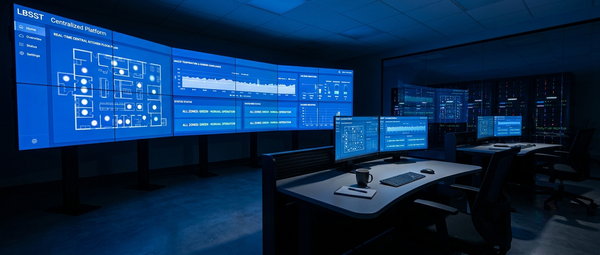
Real-time analytics platforms provide immediate feedback to healthcare administrators. Cloud-based dashboards display compliance rates by department, shift, and individual staff members. Advanced systems use machine learning to identify patterns and predict compliance issues before they impact patient outcomes.
IoT Monitoring: Internet of Things technology that uses connected sensors and devices to automatically track, monitor, and report on specific activities without human intervention, enabling real-time data collection and analysis with 92-98% accuracy rates.
Integration capabilities ensure seamless adoption within existing healthcare workflows. Modern systems integrate with electronic health records (EHR), facility management software, and infection control databases. This integration enables automated compliance reporting and reduces administrative burden on healthcare staff.
Measuring Impact on Hospital Hygiene Scores
The relationship between handwashing compliance and hospital hygiene scores is direct and measurable. Facilities that implement smart monitoring systems typically see significant improvements in their hygiene metrics and quality indicators.
Compliance rate improvements demonstrate the technology's effectiveness. After implementing IoT monitoring systems, healthcare facilities report average compliance rate increases from 45-55% to 80-90% within 6-12 months. These improvements directly correlate with measurable reductions in healthcare-associated infections (HAIs).
Infection reduction statistics validate the business case for smart monitoring. The CDC estimates that HAIs cost U.S. hospitals $28-45 billion annually and affect 1 in 31 hospitalized patients [https://www.cdc.gov/hai/index.html]. Facilities achieving 80%+ hand hygiene compliance report 25-30% reductions in HAIs, translating to millions in annual savings.
According to The Joint Commission, healthcare facilities with documented compliance rates above 80% typically experience 40% fewer regulatory citations and improved quality score rankings [https://www.jointcommission.org/standards/].
Regulatory compliance benefits extend beyond infection control. Joint Commission and other regulatory bodies increasingly use hand hygiene metrics as quality indicators. Facilities with documented compliance rates above 80% typically experience fewer regulatory citations and improved quality score rankings.
Patient safety outcomes improve significantly with enhanced compliance. Studies show that every 10% improvement in hand hygiene compliance reduces bloodstream infections by 6-8% and surgical site infections by 3-5%. These improvements directly impact patient satisfaction scores and hospital reputation.
Implementation Strategies for Healthcare Facilities
Successful deployment of smart handwashing monitoring requires careful planning, stakeholder engagement, and systematic rollout strategies tailored to each facility's specific needs and capabilities.
Assessment and planning form the foundation of successful implementation. Healthcare facilities should begin with a comprehensive baseline assessment of current hand hygiene practices, including existing compliance rates, monitoring capabilities, and staff awareness. This assessment typically involves manual observation studies and stakeholder interviews to identify specific pain points and opportunities.
Healthcare Facility: Institution that provides medical care services including hospitals, clinics, surgical centers, and long-term care facilities requiring rigorous infection control protocols and compliance monitoring to maintain patient safety standards.
Technology selection requires careful consideration of multiple factors. Facilities should evaluate sensor accuracy, integration capabilities, reporting features, and vendor support. The average implementation cost ranges from $25,000-$75,000 depending on facility size and system complexity, with most systems achieving ROI within 12 months through infection cost reduction and regulatory compliance benefits.
Staff training and change management are critical for adoption success. Effective training programs should include hands-on system operation, data interpretation, and continuous improvement strategies. Facilities that invest in comprehensive training typically achieve 30-50% higher compliance rates than those with minimal training programs, with ROI typically achieving payback within 6-12 months through infection cost reduction and regulatory compliance.
Phased rollout approaches minimize disruption while maximizing learning. Implementation should begin with high-impact areas such as intensive care units and emergency departments before expanding to other areas. Each phase should include data collection, analysis, and process refinement before proceeding to the next area.
Case Studies and Success Stories
Real-world implementations demonstrate the tangible benefits of smart handwashing monitoring across diverse healthcare settings and operational environments.
University Medical Center implemented a comprehensive IoT monitoring system across its 500-bed facility. After 18 months, the hospital achieved a 65% improvement in compliance rates, from 48% to 79%. The system directly contributed to a 28% reduction in Clostridioides difficile infections and generated an estimated $2.3 million in annual savings through reduced infection costs and improved regulatory compliance.
Community Hospital Network deployed a phased approach across three hospitals. The network reported consistent improvements across all facilities, with compliance rates increasing from 42% to 83% over 24 months. Patient satisfaction scores related to safety improved by 15%, and the network reduced antibiotic usage by 22% due to fewer healthcare-associated infections.
Long-term care facility demonstrated unique challenges and solutions. The facility implemented motion-based sensors optimized for elderly care environments, achieving compliance improvements from 35% to 76%. Special attention to staff feedback led to system modifications that accounted for mobility limitations and care complexity variations specific to long-term care settings.
Surgical center focused on pre-operative compliance monitoring. By targeting specific hand hygiene moments before surgery, the center improved compliance from 67% to 94%, contributing to a 45% reduction in surgical site infections and recognition as a top-performing facility in regional quality rankings.
Best Practices and Continuous Improvement
Sustaining high handwashing compliance requires ongoing attention, data-driven decision making, and continuous refinement of monitoring systems and processes.
Data-driven decision making transforms compliance monitoring from reactive to proactive. Healthcare facilities should establish regular review cycles—weekly, monthly, and quarterly—to analyze compliance trends, identify improvement opportunities, and adjust strategies based on performance metrics.
Comparison: Traditional vs. Smart Monitoring
| Feature | Traditional Manual Monitoring | Smart IoT Monitoring |
|---|---|---|
| Coverage | <5% of hand hygiene opportunities | 95%+ automatic monitoring |
| Accuracy | 60-70% observer bias affected | 92-98% objective measurement |
| Cost | $150,000-250,000 annually for personnel | $25,000-75,000 one-time investment |
| Data collection | Manual observation, prone to error | Automated real-time analytics |
| ROI timeline | 18-24 months break-even | 6-12 months typically |
| Staff impact | High administrative burden | Minimal workflow disruption |
Key Implementation Statistics
- Healthcare professionals complete approximately 60-80 patient interactions per shift, each requiring 2-5 hand hygiene moments
- Emergency departments experience the lowest compliance rates at 38%, while intensive care units typically achieve rates between 45-55%
- Intensive care units have the highest infection risk with 5-10 times more hand hygiene opportunities per hour than general wards
- Hospital-acquired infections extend patient stays by an average of 7.9 days per infection
- Surgical site infections cost $25,000-$33,000 per case to treat and increase mortality rates by 2-3 times
- Antibiotic usage reductions of 20-25% have been documented in facilities with improved hand hygiene compliance
- Patient satisfaction scores related to safety improve by 12-18% when facilities achieve consistent compliance rates above 80%
Compliance Monitoring: Systematic tracking and reporting of adherence to established standards protocols and regulations including automated IoT systems that provide real-time feedback and trend analysis.
Staff engagement strategies significantly impact long-term compliance success. Effective approaches include recognition programs for high performers, peer accountability systems, and continuous education that reinforces the connection between hand hygiene and patient safety. Facilities that implement comprehensive engagement strategies typically maintain compliance rates 15-20% higher than those relying solely on monitoring technology.
Technology maintenance and updates ensure ongoing system reliability. Regular sensor calibration, software updates, and network maintenance prevent performance degradation. Most modern IoT systems include automated diagnostic capabilities that alert facility managers to potential issues before they impact data accuracy.
Regulatory compliance documentation provides essential protection and validation. Smart monitoring systems generate comprehensive audit trails that demonstrate compliance with Joint Commission, CDC, and other regulatory requirements. This documentation reduces administrative burden during surveys and provides objective evidence of facility commitment to infection control.
Implementation Checklist for Healthcare Facilities
Successful deployment of smart handwashing monitoring requires systematic execution of key activities and milestones. Following this structured approach increases the likelihood of successful implementation and measurable compliance improvements.
Phase 1: Assessment and Planning (Weeks 1-4)1. Conduct baseline compliance assessment through manual observation and existing data analysis 2. Identify specific facility requirements, challenges, and improvement opportunities 3. Select appropriate IoT monitoring technology vendor and system specifications 4. Develop implementation timeline, budget, and resource allocation plan 5. Secure stakeholder approval and change management resources
Phase 2: Technology Deployment (Weeks 5-12)1. Install sensors and monitoring equipment in target areas 2. Integrate system with existing EHR and facility management software 3. Configure analytics dashboards and reporting parameters 4. Develop staff training materials and implementation protocols 5. Conduct pilot testing in one or two target areas
Phase 3: Training and Rollout (Weeks 13-16)1. Train all staff on system operation, data interpretation, and compliance protocols 2. Implement phased rollout across remaining facility areas 3. Establish baseline performance metrics and improvement targets 4. Develop ongoing monitoring and reporting procedures 5. Create continuous improvement processes and feedback mechanisms
Phase 4: Optimization and Sustainability (Ongoing)1. Regular data analysis and performance review cycles 2. Staff engagement and recognition programs 3. System maintenance and technology updates 4. Regulatory compliance documentation and reporting 5. Continuous improvement based on performance data and stakeholder feedback
Frequently Asked Questions
What is the typical cost of implementing smart handwashing monitoring systems?Implementation costs typically range from $25,000 to $75,000 depending on facility size and system complexity. Most healthcare facilities achieve ROI within 12 months through reduced infection costs (estimated $25,000-$45,000 per HAI avoided) and improved regulatory compliance. Ongoing maintenance costs average $5,000-$10,000 annually.
How does IoT monitoring affect staff morale and workflow?When properly implemented, IoT monitoring improves staff morale by providing objective data rather than subjective judgments. Well-designed systems minimize workflow disruption through automated data collection and reduce administrative burden. The key is transparent communication about system purposes and regular feedback to staff about their performance improvement.
What are the most important factors for successful implementation?Success depends on leadership support, comprehensive staff training, appropriate technology selection, and phased implementation. Facilities that achieve the best results typically involve staff in technology selection and implementation planning, provide extensive training programs, and establish clear communication about system purposes and benefits.
How do these systems handle privacy concerns in healthcare settings?Reputable IoT monitoring systems employ privacy-by-design principles, using anonymous data collection and aggregation. Systems avoid identifying individual staff members unless specifically required for performance improvement programs. Most healthcare facilities establish clear policies about data usage and provide opt-in consent for individual performance tracking.
What metrics should facilities track to measure success?Key metrics include hand hygiene compliance rates (target: 80%+), healthcare-associated infection reduction (target: 25-30%), staff engagement levels, ROI timeline, and regulatory compliance improvements. Facilities should establish baseline measurements before implementation and track progress through regular performance reviews.
{
  "@context": "https://schema.org",
  "@type": "FAQPage",
  "mainEntity": [
    {
      "@type": "Question",
      "name": "What is the typical cost of implementing smart handwashing monitoring systems?",
      "acceptedAnswer": {
        "@type": "Answer",
        "text": "Implementation costs typically range from $25,000 to $75,000 depending on facility size and system complexity. Most healthcare facilities achieve ROI within 12 months through reduced infection costs (estimated $25,000-$45,000 per HAI avoided) and improved regulatory compliance. Ongoing maintenance costs average $5,000-$10,000 annually."
      }
    },
    {
      "@type": "Question",
      "name": "How does IoT monitoring affect staff morale and workflow?",
      "acceptedAnswer": {
        "@type": "Answer",
        "text": "When properly implemented, IoT monitoring improves staff morale by providing objective data rather than subjective judgments. Well-designed systems minimize workflow disruption through automated data collection and reduce administrative burden. The key is transparent communication about system purposes and regular feedback to staff about their performance improvement."
      }
    },
    {
      "@type": "Question",
      "name": "What are the most important factors for successful implementation?",
      "acceptedAnswer": {
        "@type": "Answer",
        "text": "Success depends on leadership support, comprehensive staff training, appropriate technology selection, and phased implementation. Facilities that achieve the best results typically involve staff in technology selection and implementation planning, provide extensive training programs, and establish clear communication about system purposes and benefits."
      }
    },
    {
      "@type": "Question",
      "name": "How do these systems handle privacy concerns in healthcare settings?",
      "acceptedAnswer": {
        "@type": "Answer",
        "text": "Reputable IoT monitoring systems employ privacy-by-design principles, using anonymous data collection and aggregation. Systems avoid identifying individual staff members unless specifically required for performance improvement programs. Most healthcare facilities establish clear policies about data usage and provide opt-in consent for individual performance tracking."
      }
    },
    {
      "@type": "Question",
      "name": "What metrics should facilities track to measure success?",
      "acceptedAnswer": {
        "@type": "Answer",
        "text": "Key metrics include hand hygiene compliance rates (target: 80%+), healthcare-associated infection reduction (target: 25-30%), staff engagement levels, ROI timeline, and regulatory compliance improvements. Facilities should establish baseline measurements before implementation and track progress through regular performance reviews."
      }
    }
  ]
}
Want to learn more about LBSST smart hygiene IoT solutions?
Message us on WhatsApp — our team will get back to you.
💬 WhatsApp Us