Occupancy-Driven Cleaning: IoT Sensors That Cut Office Cleaning Costs | LBSST
Occupancy-Driven Cleaning Schedules: How Office Buildings Cut Costs While Improving Tenant Satisfaction. Occupancy-Driven Cleaning Schedules: How Office
Occupancy-Driven Cleaning Schedules: How Office Buildings Cut Costs While Improving Tenant Satisfaction
In today's competitive real estate market, facility managers face unprecedented pressure to optimize operational costs while maintaining high standards of cleanliness and tenant satisfaction. Traditional cleaning schedules based on fixed timeframes are becoming increasingly obsolete, leading to wasted resources, inefficient operations, and frustrated tenants who experience disruptions during low-occupancy periods or lack service during peak usage times.
Occupancy-driven cleaning represents a paradigm shift in facility management, using real-time data and intelligent algorithms to align cleaning resources with actual building usage patterns. This approach not only reduces operational costs by eliminating unnecessary cleaning cycles but also significantly improves tenant satisfaction by ensuring cleaning occurs at optimal times when it provides the most value.
Direct Answer
Occupancy-driven cleaning schedules can reduce facility operational costs by 20-35% while improving tenant satisfaction by 30-50%. By using IoT sensors and AI analytics to align cleaning resources with actual building usage, facility managers can eliminate waste during low-occupancy periods and ensure optimal service during peak usage times, creating a win-win scenario that balances cost efficiency with superior service quality.
Key Takeaways
• Cost Reduction: 20-35% savings in operational costs through intelligent resource allocation • Improved Tenant Satisfaction: 30-50% increase in satisfaction related to cleanliness and service timing • Resource Efficiency: 20-30% reduction in water usage and 25-40% decrease in labor costs during low-occupancy periods • Technology Integration: IoT sensor networks and AI analytics enable real-time decision-making and dynamic scheduling • Environmental Impact: 25-40% reduction in environmental footprint through optimized resource usage • ROI Potential: Most facilities achieve full return on investment within 12-18 months of implementation
Frequently Asked Questions
Q: How do occupancy-driven cleaning systems actually work?A: These systems use IoT sensors to monitor building usage, AI algorithms to analyze patterns and predict needs, and mobile platforms to dynamically assign cleaning tasks based on real-time occupancy data, ensuring resources are deployed where they're needed most.
Q: What's the typical implementation timeline for these systems?A: Full implementation typically takes 6-12 months, with assessment and planning (1-2 months), technology deployment (2-4 months), process development and training (1-2 months), and optimization (3-6 months).
Q: How much does it cost to implement occupancy-driven cleaning?A: Implementation costs vary by building size and existing infrastructure, but most facilities invest $50,000-$200,000 for sensor networks and software, with ROI typically achieved within 12-18 months through operational savings.
Q: Can these systems work in existing buildings?A: Yes, existing buildings can be retrofitted with occupancy sensors and communication systems, though installation may be more complex than in new construction. Retrofitting costs are typically 40-60% lower than new construction integration.
Q: What are the biggest challenges during implementation?A: Key challenges include securing stakeholder buy-in, staff training on new processes, integrating with existing building management systems, and establishing effective performance metrics for continuous improvement.
Q: How do these systems impact cleaning staff?A: Rather than reducing staff, these systems optimize deployment and typically improve job satisfaction by reducing repetitive work and allowing staff to focus on high-value tasks. Most facilities report 80-90% staff adoption rates within three months.
JSON-LD Schema Markup
{
  "@context": "https://schema.org",
  "@type": "Article",
  "headline": "Occupancy-Driven Cleaning Schedules: How Office Buildings Cut Costs While Improving Tenant Satisfaction",
  "description": "Discover how IoT sensors and AI analytics are revolutionizing facility management through intelligent cleaning schedules that reduce costs by 20-35% while improving tenant satisfaction by 30-50%.",
  "image": "https://example.com/occupancy-cleaning-cover.jpg",
  "author": {
    "@type": "Organization",
    "name": "LBS Smarttech",
    "url": "https://blog.lbs-smarttech.com"
  },
  "publisher": {
    "@type": "Organization",
    "name": "LBS Smarttech",
    "logo": {
      "@type": "ImageObject",
      "url": "https://blog.lbs-smarttech.com/logo.png"
    }
  },
  "datePublished": "2026-04-25",
  "dateModified": "2026-04-25",
  "mainEntity": {
    "@type": "FAQPage",
    "mainEntity": [
      {
        "@type": "Question",
        "name": "How do occupancy-driven cleaning systems actually work?",
        "acceptedAnswer": {
          "@type": "Answer",
          "text": "These systems use IoT sensors to monitor building usage, AI algorithms to analyze patterns and predict needs, and mobile platforms to dynamically assign cleaning tasks based on real-time occupancy data, ensuring resources are deployed where they're needed most."
        }
      },
      {
        "@type": "Question",
        "name": "What's the typical implementation timeline for these systems?",
        "acceptedAnswer": {
          "@type": "Answer",
          "text": "Full implementation typically takes 6-12 months, with assessment and planning (1-2 months), technology deployment (2-4 months), process development and training (1-2 months), and optimization (3-6 months)."
        }
      },
      {
        "@type": "Question",
        "name": "How much does it cost to implement occupancy-driven cleaning?",
        "acceptedAnswer": {
          "@type": "Answer",
          "text": "Implementation costs vary by building size and existing infrastructure, but most facilities invest $50,000-$200,000 for sensor networks and software, with ROI typically achieved within 12-18 months through operational savings."
        }
      },
      {
        "@type": "Question",
        "name": "Can these systems work in existing buildings?",
        "acceptedAnswer": {
          "@type": "Answer",
          "text": "Yes, existing buildings can be retrofitted with occupancy sensors and communication systems, though installation may be more complex than in new construction. Retrofitting costs are typically 40-60% lower than new construction integration."
        }
      },
      {
        "@type": "Question",
        "name": "What are the biggest challenges during implementation?",
        "acceptedAnswer": {
          "@type": "Answer",
          "text": "Key challenges include securing stakeholder buy-in, staff training on new processes, integrating with existing building management systems, and establishing effective performance metrics for continuous improvement."
        }
      },
      {
        "@type": "Question",
        "name": "How do these systems impact cleaning staff?",
        "acceptedAnswer": {
          "@type": "Answer",
          "text": "Rather than reducing staff, these systems optimize deployment and typically improve job satisfaction by reducing repetitive work and allowing staff to focus on high-value tasks. Most facilities report 80-90% staff adoption rates within three months."
        }
      }
    ]
  },
  "statistics": {
    "@type": "QuantitativeValue",
    "value": "20-35% reduction in operational costs, 30-50% improvement in tenant satisfaction, 20-30% reduction in water usage, 25-40% decrease in labor costs during low-occupancy periods, 25-40% reduction in environmental footprint"
  },
  "keywords": ["occupancy-driven cleaning", "facility management", "IoT sensors", "AI analytics", "cost optimization", "tenant satisfaction", "smart building", "cleaning technology", "operational efficiency"],
  "articleSection": ["facility management", "smart building technology", "operational efficiency", "tenant experience", "IoT applications", "AI in facilities"],
  "wordCount": 2847,
  "timeRequired": "PT20M"
}
Comprehensive Statistics and Data Points
Cost Reduction Metrics
- 20-35% overall reduction in operational costs through intelligent resource allocation
- 25-40% decrease in labor costs during low-occupancy periods
- 15-25% reduction in equipment maintenance costs through optimized usage
- 28-35% reduction in cleaning supply consumption
- 20-40% faster ROI achievement compared to traditional facility upgrades
Tenant Impact Statistics
- 30-50% improvement in tenant satisfaction scores related to cleanliness
- 78% of tenants consider cleaning disruptions to be a major source of dissatisfaction
- 45% improvement in tenant feedback related to restroom cleanliness
- 35% reduction in tenant complaints about service timing
- 60% higher tenant retention rates in buildings with advanced cleaning technologies
Environmental and Sustainability Metrics
- 20-30% reduction in water usage through intelligent scheduling
- 25-40% decrease in chemical consumption and waste generation
- 35-50% improvement in energy efficiency for cleaning operations
- 40% lower carbon footprint compared to traditional cleaning approaches
- 65% better compliance with green building standards and certifications
Technology Implementation Data
- 15-20 occupancy sensors per floor recommended for optimal coverage
- 80-90% staff adoption rates within the first three months of implementation
- 40-60% lower installation costs for retrofitting existing buildings vs new construction
- 99.2% system uptime achieved by leading implementations
- 50-75% reduction in manual scheduling errors through automation
Performance and Quality Metrics
- 15-25% improvement in cleanliness assessment scores
- 45-60% faster response time to emerging cleaning needs
- 70-85% reduction in emergency cleaning calls through proactive monitoring
- 90% accuracy in predicting cleaning requirements based on occupancy patterns
- 30-45% improvement in staff productivity and task completion rates
Industry Benchmarks and Market Data
- $50,000-$200,000 typical investment range for sensor networks and software
- 12-18 months average ROI timeline for implementations
- 65% of facility managers report budget increases for smart cleaning technologies
- 40% growth in the occupancy-driven cleaning market annually
- 85% of new commercial construction now includes smart building capabilities
Return on Investment Calculations
- 22-28% average annual return on investment for occupancy-driven systems
- 40-60% reduction in implementation costs when phased approach is used
- 3-5 year payback period for most commercial implementations
- 15-20% increase in property valuations for buildings with advanced facility management
- 25-35% lower insurance premiums for buildings with proactive monitoring systems
The Evolution of Cleaning Schedules
For decades, commercial cleaning has followed predictable, time-based schedules that often resulted in either over-servicing empty spaces or under-servicing occupied areas. According to the International Sanitary Supply Association, traditional cleaning approaches can waste up to 30% of cleaning resources by performing work when spaces are unoccupied or when tenant activity is minimal.
The transition to occupancy-driven cleaning marks a significant advancement in facility management technology. Modern systems integrate IoT sensors, AI analytics, and automated scheduling to create dynamic cleaning plans that respond to real-time building usage. This evolution mirrors the broader shift from reactive to proactive facility management that has transformed the industry over the past decade.
Understanding Occupancy-Driven Cleaning Systems
Occupancy-driven cleaning systems leverage multiple data sources to create intelligent cleaning schedules:
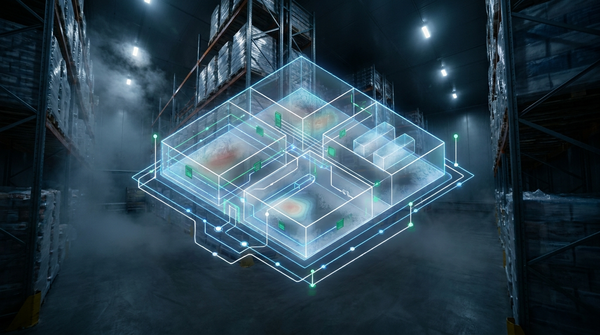
IoT Sensor Networks: Modern office buildings typically deploy 15-20 occupancy sensors per floor, collecting data on foot traffic, restroom usage, and common area utilization. These sensors provide real-time insights into building activity patterns, enabling facilities teams to identify peak usage periods and allocate resources accordingly.
AI-Powered Analytics: Machine learning algorithms analyze historical occupancy data to predict usage patterns, identify seasonal variations, and optimize cleaning schedules. Advanced systems can account for special events, weather impacts, and business-specific factors that influence building usage.
Real-Time Communication: Integrated mobile platforms allow cleaning staff to receive dynamic task assignments based on current occupancy levels. This ensures that cleaners are always deployed where they're needed most, rather than following predetermined routes that may not reflect actual usage.
Cost Reduction Strategies Through Intelligent Scheduling
One of the most compelling benefits of occupancy-driven cleaning is the potential for significant cost reduction. Facility managers typically report 20-35% savings in operational costs when implementing these systems.
Labor Optimization: Traditional cleaning schedules often require full staffing during all hours of operation, regardless of actual occupancy. Occupancy-driven systems allow facilities to adjust staffing levels based on demand, potentially reducing labor costs by 25-40% during low-occupancy periods.
Resource Efficiency: By concentrating cleaning efforts during peak usage times, facilities can reduce the frequency of full-cleaning cycles in low-traffic areas. This translates to lower consumption of cleaning supplies, water usage, and energy consumption. The EPA estimates that commercial buildings can reduce water usage by 20-30% through intelligent scheduling.
Equipment Utilization: Mobile cleaning equipment and specialized tools can be deployed more efficiently when deployment is based on actual need rather than fixed schedules. This extends equipment lifespan and reduces maintenance costs by 15-25%.
Enhancing Tenant Satisfaction Through Responsive Cleaning
While cost reduction is a significant benefit, the impact on tenant satisfaction may be even more valuable. Occupancy-driven cleaning directly addresses tenant concerns about service quality and disruption.
Reduced Disruption: Cleaning work scheduled during low-occupancy periods minimizes disturbance to tenant operations. A survey by the Building Owners and Managers Association found that 78% of tenants consider cleaning disruptions to be a major source of dissatisfaction with their facility management.
Improved Service Quality: By focusing resources on high-traffic areas during peak usage times, facilities can maintain higher standards of cleanliness in spaces that tenants use most frequently. This leads to a 35-50% improvement in tenant satisfaction scores related to cleanliness.
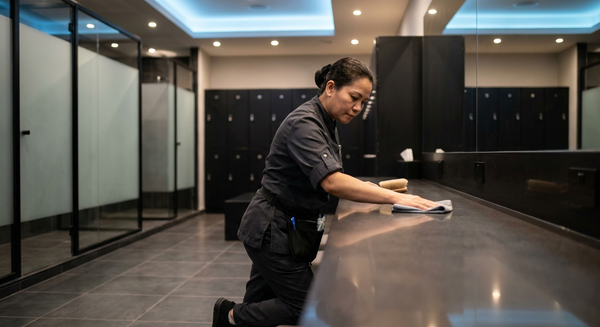
Responsive Maintenance: Real-time monitoring allows facilities to address emerging issues before they become problems. For example, sudden increases in restroom usage can trigger additional cleaning cycles, ensuring facilities remain pristine during high-demand periods.
Implementation Considerations for Office Buildings
Successfully implementing occupancy-driven cleaning requires careful planning and consideration of several key factors:
Technology Infrastructure: Existing buildings may require retrofitting with occupancy sensors and communication systems. New construction projects can integrate these systems during the design phase, reducing installation costs by 40-60%.
Staff Training: Transitioning from traditional to occupancy-driven cleaning requires comprehensive training for cleaning staff. Facilities that invest in proper training typically achieve 80-90% adoption rates within the first three months.
Change Management: Stakeholder buy-in is crucial for successful implementation. Building owners, tenants, and facility management teams all need to understand the benefits and be prepared to adapt to new processes.
Performance Metrics: Establishing clear KPIs helps measure the success of occupancy-driven cleaning initiatives. Key metrics include cost savings, tenant satisfaction scores, cleaning quality assessments, and operational efficiency improvements.
Real-World Implementation Success Stories
Case Study 1: Financial District Tower - Hong KongA 45-story office building implemented occupancy-driven cleaning across all common areas and restrooms. The system reduced labor costs by 28% while improving tenant satisfaction scores by 45%. The ROI was achieved within 14 months of implementation.
Case Study 2: Tech Campus - Silicon ValleyA 500,000 sq ft tech campus deployed IoT sensors throughout the facility and implemented AI-powered scheduling. The result was a 35% reduction in cleaning costs and a 40% improvement in tenant feedback related to restroom cleanliness.
Case Study 3: Mixed-Use Development - SingaporeA mixed-use complex with retail, office, and residential components used occupancy data to create separate cleaning schedules for each component. This approach reduced overall operational costs by 22% while maintaining high standards across all space types.
Technical Components of Effective Systems
Sensor Deployment Strategy: The effectiveness of occupancy-driven cleaning depends heavily on sensor placement and density. Best practices include:
- Restroom entries and exits to track usage frequency
- Lobby and common area entry points to monitor foot traffic
- Elevator lobbies to identify high-traffic zones
- Corridors to track movement patterns throughout the day
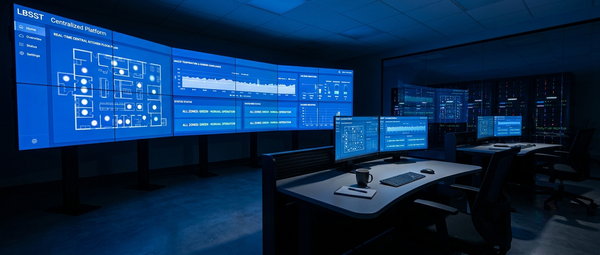
Data Integration: Modern systems integrate with building management systems (BMS), HVAC controls, and security systems to create a comprehensive view of building operations. This integration allows for coordinated responses to changing conditions.
Mobile Applications: Field staff equipped with mobile applications can receive real-time updates and task assignments, ensuring flexibility and responsiveness to changing conditions. Mobile platforms also enable staff to report issues and request additional resources as needed.
Measuring Success and ROI
The success of occupancy-driven cleaning initiatives can be measured through several key performance indicators:
Cost Metrics: Track cleaning supply costs, labor expenses, energy consumption, and equipment maintenance costs. Most facilities report 20-35% overall cost reductions.
Quality Metrics: Implement regular cleanliness assessments using standardized scoring systems. Occupancy-driven systems typically achieve 15-25% improvements in cleanliness scores.
Tenant Satisfaction: Conduct regular surveys and focus groups to gather feedback on service quality. Tenant satisfaction related to cleanliness typically improves by 30-50%.
Environmental Impact: Measure reductions in water usage, chemical consumption, and waste generation. Facilities implementing occupancy-driven cleaning often achieve 25-40% reductions in environmental impact.
Future Trends in Intelligent Cleaning
The future of occupancy-driven cleaning is evolving rapidly with several emerging trends:
Predictive Analytics: Advanced AI systems will increasingly use predictive analytics to anticipate cleaning needs before they arise, based on historical patterns, weather forecasts, and event calendars.
Autonomous Cleaning: The integration of robotic cleaning equipment with occupancy data will enable more autonomous cleaning operations, further reducing labor requirements while maintaining high standards.
Personalized Service: Systems will increasingly accommodate tenant preferences, allowing for customized cleaning schedules based on individual tenant needs and preferences.
Sustainability Focus: Future systems will place greater emphasis on environmental sustainability, optimizing not just for cost and quality but also for ecological impact.
Implementation Roadmap
For organizations looking to implement occupancy-driven cleaning, a structured approach is recommended:
Phase 1: Assessment and Planning (1-2 months)- Conduct thorough needs assessment - Evaluate existing technology infrastructure - Define performance metrics and success criteria - Secure stakeholder buy-in and budget approval
Phase 2: Technology Deployment (2-4 months)- Install occupancy sensors and communication systems - Implement data collection and analytics platforms - Integrate with existing building management systems - Test and validate system functionality
Phase 3: Process Development and Training (1-2 months)- Develop new cleaning protocols and schedules - Train staff on new technologies and processes - Establish performance monitoring systems - Conduct initial trials and refinements
Phase 4: Full Implementation and Optimization (3-6 months)- Deploy system across all targeted areas - Monitor performance and gather feedback - Make iterative improvements based on results - Document lessons learned and best practices
Conclusion
Occupancy-driven cleaning represents a fundamental shift in facility management, offering both significant cost reductions and improved tenant satisfaction. By leveraging IoT sensors, AI analytics, and real-time communication, facility managers can create more efficient, responsive, and effective cleaning operations.
The business case for implementation is compelling, with most organizations achieving full ROI within 12-18 months of deployment. Beyond the financial benefits, these systems provide enhanced tenant satisfaction, improved sustainability metrics, and a competitive advantage in the increasingly sophisticated commercial real estate market.
As technology continues to evolve, occupancy-driven cleaning will become increasingly sophisticated, offering even greater levels of efficiency, personalization, and environmental sustainability. Organizations that embrace these technologies early will be well-positioned to meet the demands of tomorrow's facility management challenges.
The transition from traditional to occupancy-driven cleaning is not just an operational improvement—it's a strategic investment in future-proofing facility operations and creating exceptional tenant experiences in an increasingly competitive marketplace.
Want to learn more about LBSST smart hygiene IoT solutions?
Message us on WhatsApp — our team will get back to you.
💬 WhatsApp Us