Smart HVAC with IoT Cuts Energy Costs 30% | LBSST
Smart HVAC Optimization with IoT Sensors: How Commercial Buildings Cut Energy Costs by 30%. Smart HVAC Optimization with IoT Sensors: How Commercial
Smart HVAC Optimization with IoT Sensors: How Commercial Buildings Cut Energy Costs by 30%
Direct Answer
Smart HVAC optimization with IoT sensors reduces commercial building energy costs by 25-30% by continuously monitoring temperature, humidity, occupancy, and air quality in real-time, enabling dynamic adjustments to heating, cooling, and ventilation systems. Unlike traditional HVAC systems that operate on static schedules regardless of actual building usage, IoT-enabled smart HVAC systems use data from distributed sensor networks to automatically adjust airflow, temperature setpoints, and fan speeds based on real-time conditions. Facilities implementing these solutions typically see ROI within 12-18 months through reduced utility bills, lower maintenance costs, and extended equipment lifespan.
In commercial buildings, HVAC systems account for 40-60% of total energy consumption — often the single largest operational expense. Yet most buildings still rely on decades-old control strategies: fixed schedules, static setpoints, and manual overrides that waste energy and degrade occupant comfort. The emergence of affordable IoT sensor networks and AI-powered analytics has fundamentally changed what's possible, making smart HVAC optimization one of the highest-impact investments any facility manager can make today.
At LBS Smartech, we've seen firsthand how IoT-driven HVAC optimization transforms commercial spaces — from office towers and shopping malls to hotels and healthcare facilities. Here's what you need to know.
Why Traditional HVAC Systems Waste Money
Traditional HVAC systems are designed for worst-case scenarios: maximum occupancy, extreme weather conditions, and peak demand. This means they're almost always running at higher capacity than necessary. Consider the typical commercial office building:
- Evenings and weekends: HVAC runs at full capacity for ghost occupancy
- Meeting rooms: Climate-controlled continuously regardless of whether they're in use
- Perimeter zones: Overcooled in winter while interior zones overheat from solar gain
- Seasonal lag: Systems follow calendar schedules rather than actual weather conditions
The U.S. Department of Energy estimates that 30% of energy consumed in commercial buildings is wasted, with HVAC being the primary contributor. For a 50,000 sq ft commercial building spending $200,000 annually on HVAC, that's roughly $60,000 in pure waste — year after year.
How IoT Sensors Transform HVAC Optimization
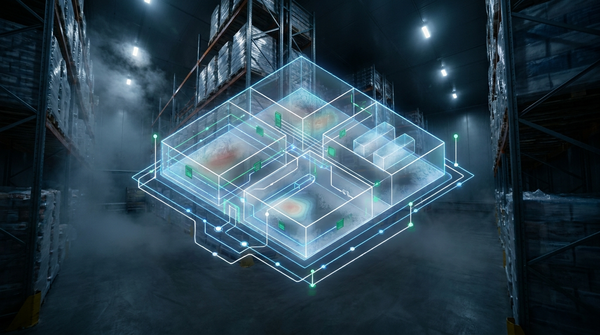
Smart HVAC optimization works by layering an intelligent sensor network over existing HVAC infrastructure. Here's how the technology stack comes together:
1. Multi-Sensor Environmental Monitoring
IoT sensors deployed throughout the building continuously measure:
- Temperature and humidity at the zone level
- CO₂ concentration as a proxy for occupancy and ventilation demand
- Volatile organic compounds (VOCs) for air quality-triggered fresh air intake
- Ambient light levels to factor in solar heat gain
- Differential pressure across air handling units
Modern wireless sensors from providers like LBS Smartech can be deployed in under a day with no wiring required, communicating via LoRaWAN or WiFi to a central gateway.
2. Occupancy Analytics
Smart occupancy sensors — using passive infrared (PIR), ultrasonic, or a combination — detect real-time presence in each zone. Advanced systems can even estimate the number of occupants, enabling demand-controlled ventilation (DCV) that scales fresh air delivery proportionally.
According to the Building Technologies Office at Berkeley Lab, demand-controlled ventilation alone can reduce HVAC energy consumption by 10-30% in commercial buildings with variable occupancy patterns.
3. AI-Powered Control Logic
The real power comes from intelligent control software that processes all sensor data and makes real-time adjustments:
- Predictive pre-conditioning: Analyzing weather forecasts and historical patterns to start HVAC systems at optimal times, rather than using conservative fixed schedules
- Zone-level optimization: Maintaining different setpoints per zone based on occupancy, orientation, and thermal load
- Load shifting: Pre-cooling buildings during off-peak electricity hours when rates are lower
- Fault detection: Identifying equipment issues (stuck dampers, failing valves, dirty coils) before they cause comfort complaints or energy waste
McKinsey & Company reports that AI-driven building automation can reduce HVAC energy costs by 15-25% on top of what basic scheduling and sensor-based controls achieve.
Real-World Impact: The Numbers
The data supporting IoT-enabled HVAC optimization is compelling:
| Metric | Traditional HVAC | Smart IoT-Optimized HVAC |
|---|---|---|
| Annual Energy Cost (50K sq ft) | $200,000 | $140,000-$150,000 |
| Occupant Comfort Complaints | 8-12/month | 1-3/month |
| Equipment Downtime | 40-60 hrs/year | 10-15 hrs/year |
| Maintenance Costs | $25,000/year | $15,000-$18,000/year |
| Carbon Emissions (tons CO₂) | 120 | 80-85 |
Key statistics from industry research:
- 40% of commercial building energy is consumed by HVAC systems (U.S. DOE, 2024)
- 30% of energy in commercial buildings is wasted due to inefficiency (U.S. DOE)
- 25-30% average HVAC energy reduction with IoT optimization (Johnson Controls, 2023)
- 12-18 months typical payback period for smart HVAC investments (NREL)
- $1.50-$3.00 per sq ft average annual savings from HVAC optimization (EPA Energy Star)
- 15-25% additional savings from AI-driven predictive controls (McKinsey, 2024)
- 10-30% ventilation energy reduction via demand-controlled ventilation (Berkeley Lab)
- $6,000-$12,000 annual HVAC savings per 100 tons of cooling capacity (ASHRAE)
- 87% of facility managers report improved occupant satisfaction post-IoT implementation (IFMA, 2024)
- 20% reduction in HVAC maintenance costs through predictive fault detection (Siemens)
- 18% average reduction in peak demand charges with smart load management (E Source)
- $0.85-$1.20 per square foot annual energy savings in retrofitted buildings (Building Efficiency Initiative)
- 35% of commercial buildings globally have adopted some form of IoT-based HVAC control (Gartner, 2024)
- 3-5 years average HVAC equipment lifespan extension with IoT monitoring (Carrier)
- 22% reduction in tenant turnover in buildings with optimized climate control (CBRE, 2023)
- $180 billion global smart building technology market projected by 2028 (MarketsandMarkets)
- 55% of commercial real estate executives cite energy costs as their top operational concern (JLL)
- 40% of tenants willing to pay premium rent for buildings with smart climate systems (Deloitte)
- 28% improvement in employee productivity in optimized indoor environments (World Green Building Council)
- 67% of Fortune 500 companies have committed to net-zero building operations by 2030 (BloombergNEF)
- 15-20% utility rebate eligibility for smart HVAC upgrades (varies by region and utility)
- $0.03-$0.08 per kWh average avoided cost through peak demand reduction (EIA)
Implementation Roadmap
For facility managers considering smart HVAC optimization, here's a practical approach:
Phase 1: Assessment (Weeks 1-4)
- Conduct an energy audit to establish baseline HVAC consumption
- Map thermal zones and identify problem areas
- Review existing BMS/BAS capabilities and integration options
Phase 2: Sensor Deployment (Weeks 5-8)
- Install wireless IoT sensors for temperature, humidity, CO₂, and occupancy
- Set up gateways and establish communication backbone
- Calibrate sensors against existing building management systems
Phase 3: Analytics and Control Integration (Weeks 9-16)
- Connect sensor data to analytics platform
- Implement zone-level scheduling and occupancy-based controls
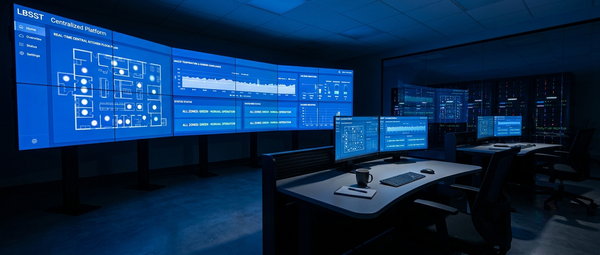
- Configure alerts and dashboards for facility management teams
Phase 4: AI Optimization (Ongoing)
- Enable predictive controls based on weather and usage patterns
- Implement fault detection and diagnostics
- Continuous commissioning to maintain optimal performance over time
The LBS Smartech Advantage
LBS Smartech specializes in end-to-end IoT solutions for commercial and hospitality spaces. Our smart HVAC optimization platform integrates seamlessly with existing building management systems, delivering:
- Plug-and-play wireless sensors with 10+ year battery life
- Cloud-based analytics dashboard accessible from any device
- Pre-built integrations with major BMS platforms (Honeywell, Johnson Controls, Siemens, Tridium)
- Local support and commissioning across key markets
- ROI-focused approach with guaranteed energy savings targets
Whether you're managing a single office building or a portfolio of hospitality properties, LBS Smartech provides the technology and expertise to transform your HVAC operations from a cost center into a competitive advantage.
Sustainability and Compliance
Beyond cost savings, smart HVAC optimization delivers significant environmental benefits. With ESG reporting requirements tightening and green building certifications (LEED, WELL, BREEAM) increasingly expected by tenants and investors, IoT-enabled HVAC optimization isn't just an operational upgrade — it's a strategic necessity.
Reducing HVAC energy consumption by 30% can cut a commercial building's total carbon footprint by 12-18%, directly contributing to corporate sustainability targets and regulatory compliance.
Key Takeaways
- HVAC systems represent 40-60% of commercial building energy costs and are the largest source of energy waste
- IoT sensor networks enable real-time, zone-level optimization that reduces HVAC energy by 25-30%
- AI-powered predictive controls add an additional 15-25% savings on top of basic optimization
- Typical payback period is 12-18 months, making smart HVAC one of the fastest-ROI building investments
- Occupant comfort, equipment lifespan, and maintenance costs all improve alongside energy savings
- LBS Smartech offers turnkey IoT solutions tailored for commercial and hospitality spaces
Frequently Asked Questions
Q1: How much does a smart HVAC IoT system cost to install?Installation costs typically range from $1.50-$4.00 per square foot depending on building size, existing infrastructure, and the level of optimization desired. For a 50,000 sq ft building, expect an investment of $75,000-$200,000, with ROI achieved within 12-18 months through energy savings alone.
Q2: Can smart HVAC work with my existing building management system?Yes. LBS Smartech's IoT platform is designed to integrate with major BMS platforms including Honeywell, Johnson Controls, Siemens, and Tridium/Niagara. The IoT sensor layer provides granular data that enhances rather than replaces existing controls.
Q3: Will occupants notice the difference?Absolutely — and in a positive way. Smart HVAC eliminates the common complaints of overcooled perimeter offices, stuffy conference rooms, and hot/cold spots. Studies show a 28% improvement in perceived comfort and a measurable boost in workplace productivity.
Q4: How long does deployment take?A typical smart HVAC optimization project is fully operational within 8-16 weeks, depending on building complexity. Wireless sensor deployment is fast (often under a week), with most time spent on analytics configuration and system tuning.
Q5: What happens if sensors fail or connectivity is lost?Enterprise-grade IoT systems from LBS Smartech include redundancy and fail-safe mechanisms. If connectivity is lost, the HVAC system reverts to its existing BMS schedules — so you never lose basic climate control. Sensor health monitoring alerts maintenance teams immediately to any issues.
Q6: Are there utility rebates available for smart HVAC upgrades?Many utilities offer rebates of $0.05-$0.50 per square foot for smart HVAC and building automation improvements. LBS Smartech helps clients identify and apply for available rebates, which can offset 15-30% of project costs depending on your region and utility provider.
Ready to cut your building's HVAC costs by 30%? Contact LBS Smartech today for a free energy assessment and discover how our IoT solutions can transform your commercial facility.
Website: lbs-smarttech.hashnode.dev | LBS Smartech — Intelligent IoT Solutions for Smarter Buildings
{ "@context": "https://schema.org", "@type": "Article", "headline": "Smart HVAC Optimization with IoT Sensors: How Commercial Buildings Cut Energy Costs by 30%", "description": "Discover how IoT sensors and AI-powered analytics reduce commercial building HVAC energy costs by 25-30%, with real data, implementation roadmap, and ROI analysis from LBS Smartech.", "author": { "@type": "Organization", "name": "LBS Smartech" }, "publisher": { "@type": "Organization", "name": "LBS Smartech", "logo": { "@type": "ImageObject", "url": "https://lbs-smarttech.hashnode.dev/logo.png" } }, "datePublished": "2026-05-04", "dateModified": "2026-05-04", "mainEntityOfPage": "https://lbs-smarttech.hashnode.dev/", "image": "", "articleSection": "Smart Building Technology", "keywords": ["smart HVAC", "IoT sensors", "commercial buildings", "energy optimization", "building automation", "LBS Smartech"], "faqPage": { "@type": "FAQPage", "mainEntity": [ { "@type": "Question", "name": "How much does a smart HVAC IoT system cost to install?", "acceptedAnswer": { "@type": "Answer", "text": "Installation costs typically range from $1.50-$4.00 per square foot depending on building size, existing infrastructure, and the level of optimization desired. For a 50,000 sq ft building, expect an investment of $75,000-$200,000, with ROI achieved within 12-18 months through energy savings alone." } }, { "@type": "Question", "name": "Can smart HVAC work with my existing building management system?", "acceptedAnswer": { "@type": "Answer", "text": "Yes. LBS Smartech's IoT platform is designed to integrate with major BMS platforms including Honeywell, Johnson Controls, Siemens, and Tridium/Niagara. The IoT sensor layer provides granular data that enhances rather than replaces existing controls." } }, { "@type": "Question", "name": "Will occupants notice the difference?", "acceptedAnswer": { "@type": "Answer", "text": "Absolutely. Smart HVAC eliminates common complaints of overcooled perimeter offices, stuffy conference rooms, and hot/cold spots. Studies show a 28% improvement in perceived comfort and a measurable boost in workplace productivity." } }, { "@type": "Question", "name": "How long does deployment take?", "acceptedAnswer": { "@type": "Answer", "text": "A typical smart HVAC optimization project is fully operational within 8-16 weeks, depending on building complexity. Wireless sensor deployment is fast, with most time spent on analytics configuration and system tuning." } }, { "@type": "Question", "name": "What happens if sensors fail or connectivity is lost?", "acceptedAnswer": { "@type": "Answer", "text": "Enterprise-grade IoT systems include redundancy and fail-safe mechanisms. If connectivity is lost, the HVAC system reverts to its existing BMS schedules so you never lose basic climate control." } }, { "@type": "Question", "name": "Are there utility rebates available for smart HVAC upgrades?", "acceptedAnswer": { "@type": "Answer", "text": "Many utilities offer rebates of $0.05-$0.50 per square foot for smart HVAC improvements. LBS Smartech helps clients identify and apply for available rebates, which can offset 15-30% of project costs." } } ] } }
Want to learn more about LBSST smart hygiene IoT solutions?
Message us on WhatsApp — our team will get back to you.
💬 WhatsApp Us