Smart Hygiene Monitoring System: IoT Sensors for Commercial Facilities | LBSST
Smart Hygiene Monitoring: How IoT Sensors Are Transforming Commercial Facility Management. Smart Hygiene Monitoring: How IoT Sensors Are Transforming
Smart Hygiene Monitoring: How IoT Sensors Are Transforming Commercial Facility Management
The Hidden Cost of Reactive Hygiene Management
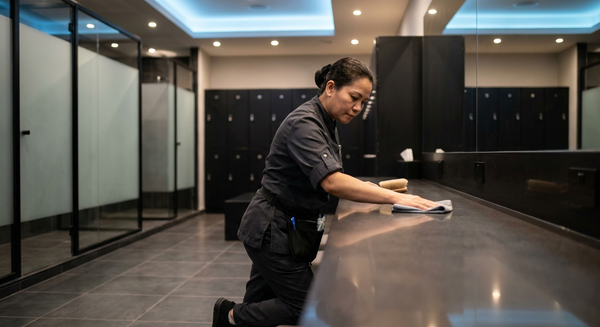
Every facility manager knows the drill. A complaint comes in about a restroom. You dispatch a cleaning crew, only to find it was reported hours ago. By the time it's addressed, the damage is done -- a negative impression on tenants, visitors, or patients that no amount of apologizing can undo.
This reactive approach to hygiene management has been the industry standard for decades. Spot checks, complaint-driven responses, and rigid cleaning schedules that don't reflect actual usage patterns. The result? Over-serviced areas burning through labor budgets while high-traffic zones go neglected until someone complains.
The commercial facility management industry is at an inflection point. Occupancy patterns have shifted, tenant expectations have risen, and regulatory scrutiny around hygiene standards has intensified -- particularly in healthcare and hospitality. The old way simply doesn't scale anymore.
Why IoT-Driven Hygiene Monitoring Matters Now
The convergence of affordable sensor technology, cloud computing, and advanced analytics has made real-time hygiene monitoring not just possible, but practical for facilities of every size. IoT sensors can now detect occupancy levels, soap and paper dispensing rates, air quality, surface moisture, and even the presence of volatile organic compounds -- all in real time.
According to industry research, commercial buildings using IoT-based facility management report up to 30% reductions in cleaning labor costs and significant improvements in tenant satisfaction scores. The reason is straightforward: data replaces guesswork.
Instead of cleaning every restroom on a fixed two-hour rotation, smart systems tell your teams exactly which areas need attention right now. This is the shift from scheduled maintenance to condition-based maintenance, and it is reshaping how facilities operate.
Key Applications of IoT Sensors in Commercial Hygiene
Real-Time Occupancy and Usage Tracking
Smart occupancy sensors installed in restrooms, break rooms, and common areas track foot traffic continuously. When a restroom crosses a predefined usage threshold -- say, 50 visits since the last service -- the system automatically generates a work order for the nearest cleaning team.
This eliminates both over-servicing and under-servicing. A lobby restroom during a busy conference gets cleaned five times as often as a quiet executive floor restroom, and neither is handled on an arbitrary schedule. The data drives the decision.
Automated Supply Level Monitoring
Nothing undermines a facility's hygiene standards faster than empty soap dispensers or depleted paper towel stocks. IoT-enabled dispensers monitor fill levels in real time and trigger replenishment alerts before supplies run out.
For large commercial properties with dozens or hundreds of restrooms, this alone can save hours of manual inspection time per week. Maintenance teams arrive knowing exactly what needs restocking and where, rather than walking every floor on a hope-and-check basis.
Air Quality and Environmental Sensors
Hygiene is not just about what you can see. Airborne contaminants, elevated humidity levels, and poor ventilation contribute to odor complaints and, in healthcare settings, infection risk. Environmental sensors continuously monitor CO2 levels, humidity, temperature, and volatile organic compounds, alerting facility teams to conditions that require intervention before occupants notice a problem.
This is particularly critical in healthcare facilities, where regulatory bodies like Joint Commission standards require documented evidence of environmental monitoring. IoT sensors provide that documentation automatically, eliminating manual logbook entries and the compliance gaps they create.
Compliance Reporting and Audit Readiness
One of the most overlooked benefits of smart hygiene monitoring is its impact on compliance. Regulatory requirements in healthcare, food service, and commercial real estate increasingly demand documented cleaning protocols, frequency records, and response times.
IoT sensor platforms generate these records automatically. Every cleaning event, every supply replenishment, every environmental reading is logged with timestamps and location data. When an audit arrives, the documentation is already prepared -- not assembled from fragmented paper records after the fact.
Predictive Analytics for Maintenance Planning
The most advanced IoT hygiene platforms go beyond real-time alerts to offer predictive insights. By analyzing usage patterns over weeks and months, these systems can forecast peak demand periods, identify facilities that consistently require more frequent service, and optimize staffing schedules accordingly.
A hotel property, for example, might discover that its conference center restrooms experience predictable surges during 10:00 AM break periods every Tuesday. Armed with that data, management can pre-position cleaning staff during those windows rather than reacting after the rush.
Practical Steps to Get Started
For facility managers considering smart hygiene monitoring, the path forward does not require a full building overhaul. Most IoT hygiene solutions are designed for phased deployment:
Start with high-impact zones. Identify the two or three areas where complaints are most frequent or where hygiene standards matter most -- typically main lobby restrooms, food service areas, or patient care spaces.
Choose sensors that integrate with existing systems. The best IoT hygiene platforms offer API integrations with popular facility management software and work order systems, so data flows into processes your team already uses.
Establish baseline metrics. Before deploying sensors, document current cleaning frequencies, complaint volumes, and supply consumption rates. These baselines become the benchmark for measuring ROI after implementation.
Train teams on data-driven workflows. The technology is only as effective as the people using it. Ensure cleaning and maintenance teams understand how to respond to sensor-generated alerts and how the new approach differs from fixed schedules.
Review and refine quarterly. Use the data your sensors collect to continuously optimize cleaning routes, schedules, and staffing levels. The system improves over time as it learns your building's unique patterns.
The Bottom Line
Smart hygiene monitoring through IoT sensors is not a futuristic concept -- it is a proven, deployable solution that addresses real operational challenges in commercial facility management. The facilities that adopt it earliest are seeing measurable improvements in cleanliness, tenant satisfaction, labor efficiency, and compliance readiness.
The question for facility managers is no longer whether IoT-driven hygiene monitoring works. It does. The question is how quickly you can implement it before your competitors and tenants expect it as standard.
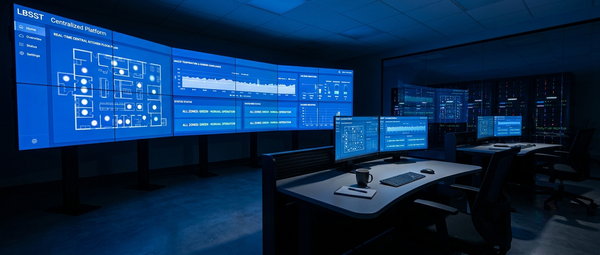
Ready to explore what smart hygiene monitoring can do for your facility? Visit lbs-smarttech.com to learn how LBSST Smart Hygiene combines real-time IoT sensor monitoring, automated alerts, and compliance reporting into one integrated platform for commercial facilities.
Want to learn more about LBSST smart hygiene IoT solutions?
Message us on WhatsApp — our team will get back to you.
💬 WhatsApp Us