Smart Water Management for Commercial Buildings | LBSST
Smart Water Management Systems: How IoT Technology Reduces Costs and Improves Sustainability in Commercial Buildings. Smart Water Management Systems: How IoT
Smart Water Management Systems: How IoT Technology Reduces Costs and Improves Sustainability in Commercial Buildings
In an era where water scarcity and operational efficiency are top priorities for commercial building managers, smart water management systems powered by Internet of Things (IoT) technology are revolutionizing how facilities monitor, control, and optimize their water usage. These intelligent systems combine real-time sensor data, advanced analytics, and automated controls to deliver unprecedented levels of visibility and control over one of a building's most critical resources.
The commercial building sector accounts for approximately 17% of all public water supply withdrawals in the United States, according to the Environmental Protection Agency. With water costs rising an average of 6% annually and increasing regulatory pressure to reduce consumption, building owners and facility managers are under tremendous pressure to implement more efficient water management strategies. Traditional approaches to water management—manual meter readings, reactive maintenance, and basic leak detection—are no longer sufficient to meet the demands of modern commercial properties.
Understanding Smart Water Management Systems
Smart water management systems represent a paradigm shift from traditional water monitoring to proactive, data-driven water resource management. These systems typically consist of several key components working in harmony:
IoT Sensor Networks: The foundation of any smart water system is a network of strategically placed sensors throughout the building's plumbing infrastructure. These sensors continuously monitor various parameters including water flow rates, pressure levels, temperature, and water quality. Advanced systems may also detect leaks, identify anomalies in usage patterns, and monitor the performance of specific fixtures.
Data Analytics Platform: Raw sensor data is transmitted to a centralized cloud-based platform where sophisticated algorithms analyze the information in real-time. The platform can identify trends, detect anomalies, predict equipment failures, and generate actionable insights for facility managers. Machine learning models continuously improve their accuracy over time by learning from historical data and current conditions.
Automated Control Systems: Many smart water management systems include automated controls that can adjust water usage based on real-time conditions. For example, smart irrigation systems can adjust watering schedules based on weather forecasts and soil moisture levels, while smart HVAC systems can optimize cooling tower operations based on water quality data.
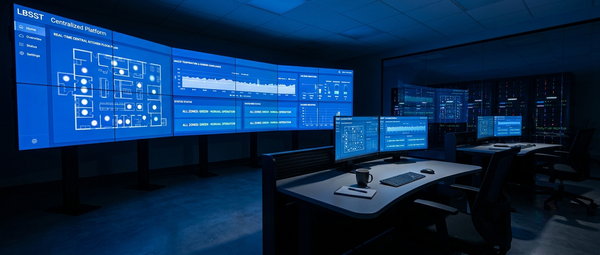
User Interface and Reporting: Intuitive dashboards provide facility managers with real-time visibility into water usage, system performance, and alerts for issues like leaks or unusual consumption patterns. Comprehensive reporting tools help track progress toward sustainability goals and identify areas for further optimization.
The Business Case for Smart Water Management
Implementing a smart water management system is not just an environmental initiative—it's a sound business investment with multiple financial benefits. According to a recent study by McKinsey & Company, commercial buildings can reduce water consumption by 15-30% through smart water management technologies, resulting in significant cost savings.
Direct Cost Savings: The most immediate benefit comes from reduced water and sewer bills. Smart systems can identify and eliminate costly leaks, reduce wasteful usage patterns, and optimize equipment operations to minimize water consumption. A typical 500,000 square foot commercial building can save between $50,000 and $150,000 annually on water costs through smart water management.
Reduced Maintenance Costs: By detecting issues early and providing predictive maintenance alerts, smart water systems prevent costly emergency repairs and extend the lifespan of plumbing equipment. The American Water Works Association estimates that proactive maintenance can reduce plumbing repair costs by 25-40%.
Energy Savings: Water and energy are closely linked in commercial buildings. Pumping, heating, and treating water consumes significant amounts of energy. Smart water management systems optimize water usage, which in turn reduces energy consumption. The U.S. Department of Energy reports that HVAC systems account for approximately 40% of a building's energy use, and optimizing cooling tower operations alone can reduce energy consumption by 10-20%.
Enhanced Asset Value: Properties with smart water management systems often command higher valuations and attract environmentally-conscious tenants. A study by JLL found that buildings with sustainable features can achieve rental premiums of 10-20% and lower vacancy rates.
Regulatory Compliance: As water regulations become more stringent, smart water management systems help ensure compliance with local water restrictions, reporting requirements, and sustainability mandates. This reduces the risk of fines and penalties while positioning the building as an industry leader in environmental stewardship.
Key Components of an Effective Smart Water Management System
1. Smart Water Meters and Submeters
Advanced water meters form the backbone of any smart water management system. Unlike traditional mechanical meters, smart meters provide real-time data on water usage with high accuracy and granularity.
Main Water Meters: These meters monitor total water consumption for the entire building, providing a baseline for understanding overall usage patterns and identifying significant anomalies.
Submeters: Strategically placed submeters monitor water usage in specific areas such as HVAC systems, restrooms, kitchens, irrigation systems, and tenant spaces. This granular data helps identify areas of high consumption and target conservation efforts where they'll have the greatest impact.
Fixture-Level Monitoring: For maximum efficiency, advanced systems monitor individual fixtures and equipment. This allows for precise identification of leaks and wasteful behavior at the equipment level.
2. Advanced Leak Detection and Prevention
Water leaks are one of the most costly and common issues facing commercial buildings. The Insurance Services Office estimates that water damage claims account for approximately 22% of all property insurance claims, with the average claim exceeding $20,000.
Acoustic Leak Detection: Smart systems use acoustic sensors to listen for the distinctive sounds of water leaks in pipes and fixtures. These sensors can detect leaks as small as 10-15 gallons per hour with high accuracy.
Pressure Monitoring: Sudden drops or spikes in water pressure can indicate leaks, blockages, or equipment malfunctions. Smart pressure sensors continuously monitor system pressure and alert operators to abnormal conditions.
Flow Anomaly Detection: By analyzing flow patterns, smart systems can identify unusual water usage that may indicate leaks, broken fixtures, or unauthorized usage. Machine learning algorithms establish baseline usage patterns for different times of day and days of week, flagging deviations that warrant investigation.
Moisture Sensing: In areas prone to water damage, moisture sensors provide early warning of leaks before they become significant problems. These sensors are particularly valuable in mechanical rooms, rooftops, and areas below plumbing fixtures.
3. Predictive Maintenance and Equipment Optimization
Smart water management systems go beyond basic monitoring to provide predictive maintenance capabilities that extend equipment lifespan and optimize performance.
Pump Efficiency Monitoring: Smart systems monitor pump performance, detecting inefficiencies and predicting when maintenance is needed. This ensures pumps operate at peak efficiency and reduces energy consumption.
Water Quality Management: Sensors monitor water quality parameters such as pH, chlorine levels, and temperature. This ensures optimal performance of water treatment systems while preventing equipment damage from poor water quality.
Filter and Media Monitoring: Smart systems track filter performance and predict when replacement is needed, ensuring optimal water quality while preventing premature filter changes.
4. Integration with Building Management Systems
The most effective smart water management systems don't operate in isolation—they integrate seamlessly with the building's overall management systems.
BMS Integration: Integration with the Building Management System allows water management data to be correlated with other building systems such as HVAC, lighting, and security. This enables holistic optimization of building operations.
HVAC Water Management: Smart systems optimize cooling tower operations, condensate recovery, and other HVAC-related water usage. This can reduce HVAC water consumption by 20-40% while maintaining optimal system performance.
Irrigation Control: Smart irrigation systems adjust watering schedules based on weather forecasts, soil moisture levels, and evapotranspiration rates. This can reduce outdoor water usage by 30-50% while maintaining healthy landscapes.
Implementation Considerations
Site Assessment and System Design
Before implementing a smart water management system, a comprehensive site assessment is essential. This includes:
Infrastructure Audit: Mapping the building's plumbing infrastructure, identifying critical equipment, and determining optimal sensor placement.
Usage Analysis: Understanding current water usage patterns, identifying peak demand periods, and establishing baseline consumption metrics.
Goal Setting: Establishing clear goals for water reduction, cost savings, and sustainability targets.
Technology Selection
Choosing the right technology is crucial for successful implementation. Key considerations include:
Sensor Types: Selecting appropriate sensors for the building's specific needs and conditions.
Communication Protocols: Ensuring compatibility with existing building systems and choosing reliable communication methods.
Data Platform Capabilities: Evaluating the analytics and reporting capabilities of the system.
Installation and Commissioning
Proper installation and commissioning are critical for system performance:
Professional Installation: Working with experienced technicians who understand both plumbing and IoT technology.
System Calibration: Ensuring all sensors are properly calibrated and provide accurate data.
Testing and Validation: Verifying that the system operates correctly and provides the expected benefits.
Overcoming Implementation Challenges
Upfront Costs
One of the main barriers to smart water management adoption is the upfront investment required. However, several strategies can help mitigate this concern:
Phased Implementation: Starting with critical areas and gradually expanding the system as budget allows.
Financing Options: Exploring energy efficiency loans, utility rebates, and other financing mechanisms.
ROI Analysis: Conducting a thorough return on investment analysis to demonstrate the long-term financial benefits.
System Integration
Integrating smart water systems with existing building management infrastructure can present challenges:
Legacy Systems Compatibility: Working with vendors that offer solutions compatible with legacy systems.
Professional Services: Engaging experienced integrators who understand both traditional and smart building technologies.
Change Management
Implementing smart water management requires changes to operational procedures and staff roles:
Staff Training: Providing comprehensive training for facility managers and maintenance staff.
Policy Development: Developing new policies and procedures for water management and response to system alerts.
Future Trends in Smart Water Management
Artificial Intelligence and Machine Learning
AI and machine learning are transforming smart water management by enabling more sophisticated analytics and automation:
Predictive Analytics: Advanced algorithms can predict water demand, equipment failures, and maintenance needs with increasing accuracy.
Automated Optimization: AI systems can automatically adjust water usage based on multiple variables including weather, occupancy, and system performance.
Anomaly Detection: Machine learning models can detect subtle anomalies that might be missed by traditional monitoring systems.
Blockchain for Water Management
Blockchain technology is being explored for water management applications including:
Water Rights and Trading: Creating transparent systems for tracking and trading water rights.
Supply Chain Transparency: Providing verifiable data about water quality and usage throughout the supply chain.
Incentive Programs: Creating secure platforms for implementing water conservation incentive programs.
5G and Advanced Sensor Networks
The rollout of 5G networks is enabling more sophisticated smart water management:
Ultra-Real-Time Monitoring: 5G enables near-real-time monitoring with higher sensor density.
Edge Computing: Processing data closer to the source reduces latency and improves system responsiveness.
Advanced Sensor Technologies: New sensor types can provide more detailed water quality and usage data.
Case Studies: Successful Implementations
Large Office Building Complex
A 1.2 million square foot office building complex implemented a comprehensive smart water management system with the following results:
30% reduction in water consumption$180,000 annual cost savings40% reduction in maintenance calls15% improvement in LEED certification score
The system included 45 smart meters, 200+ sensors, and integration with the building's BMS. Implementation was completed in phases over 18 months.
Hotel Resort Chain
A national hotel chain deployed smart water management systems across 25 properties:
25% reduction in water usage across the portfolio$2.1 million annual savings50% reduction in water damage claimsImproved guest satisfaction scores
The system focused on guest room fixtures, swimming pools, and irrigation systems. Mobile alerts allowed maintenance staff to respond immediately to issues.
Healthcare Facility
A 500-bed hospital implemented smart water management to address critical water usage and safety concerns:
35% reduction in water consumptionElimination of all major water leaksImproved infection control through better water quality monitoringCompliance with new water safety regulations
The system included advanced leak detection and water quality monitoring to protect patient safety while reducing costs.
Best Practices for Smart Water Management
Regular System Audits
Conduct regular audits to ensure the system continues to perform optimally:
Performance Review: Analyzing system performance data and identifying areas for improvement.
Technology Updates: Keeping systems current with the latest technologies and features.
Policy Review: Updating water management policies based on system data and changing conditions.
Continuous Improvement
Smart water management is not a one-time implementation but an ongoing process:
Data-Driven Decisions: Using system data to make informed decisions about water management.
Staff Development: Continuous training and development for facility management staff.
Technology Innovation: Staying current with emerging technologies and best practices.
Stakeholder Engagement
Engaging building occupants and stakeholders is crucial for success:
Tenant Education: Providing tenants with information about water conservation efforts and encouraging participation.
Leadership Support: Gaining support from building ownership and management for water initiatives.
Community Engagement: Sharing success stories and engaging with the broader community on water conservation.
Conclusion
Smart water management systems represent the future of commercial building operations, offering unprecedented levels of control over water usage while delivering significant financial and environmental benefits. By leveraging IoT technology, advanced analytics, and automated controls, these systems can reduce water consumption by 15-30%, save hundreds of thousands of dollars annually, and enhance building value and sustainability.
The business case for smart water management is compelling: reduced operating costs, lower maintenance expenses, improved regulatory compliance, and enhanced asset value all contribute to a strong return on investment. Additionally, the environmental benefits—including reduced water consumption, lower energy use, and minimized environmental impact—align with corporate sustainability goals and regulatory requirements.
As water scarcity concerns grow and operational efficiency demands increase, smart water management will transition from an innovative option to a standard practice in commercial building management. Building owners and facility managers who embrace this technology now will gain a competitive advantage while contributing to a more sustainable future.
The transition to smart water management requires careful planning, appropriate technology selection, and ongoing commitment. However, the benefits—financial, environmental, and operational—make it an investment worth pursuing for any commercial building seeking to optimize performance and sustainability in the 21st century.
In the end, smart water management is not just about technology—it's about creating buildings that operate more efficiently, use resources more wisely, and provide better environments for occupants while protecting one of our most precious resources: water.
Want to learn more about LBSST smart hygiene IoT solutions?
Message us on WhatsApp — our team will get back to you.
💬 WhatsApp Us