Real-Time Hygiene Alerts: The 3-Minute Rule | LBSST
The 3-Minute Rule: Why Real-Time Hygiene Alerts Matter for Commercial Facility Reputation. The 3-Minute Rule: Why Real-Time Hygiene Alerts Matter for
The 3-Minute Rule: Why Real-Time Hygiene Alerts Matter for Commercial Facility Reputation
Introduction
Real-time hygiene alerts can reduce facility response times from 47 minutes to under 2 minutes, cutting customer complaints by 63% and protecting brand reputation before negative reviews go viral. In today's hyper-connected world, a single negative hygiene incident can destroy years of brand building in under three minutes. The "3-minute rule" represents the critical response window between when a hygiene issue occurs and when it must be addressed before customer perception irreversibly shifts.
For facility managers, property operators, and hygiene service providers across Asia, real-time hygiene alerts represent the single most impactful technology investment in 2026. This comprehensive guide explores why every second counts, the data behind response-time benchmarks, and how smart hygiene monitoring systems are transforming facility management.
🔑 Key Takeaways- The 3-minute rule: hygiene issues unresolved within 3 minutes increase negative review probability by 400% - Real-time IoT hygiene monitoring reduces mean response time from 47 minutes to under 2 minutes - Facilities with smart hygiene systems report 63% fewer customer complaints - Full ROI on hygiene monitoring technology is achieved within 14-18 months - AI-powered predictive hygiene systems will reach 95% accuracy by 2027
What Is the 3-Minute Rule in Facility Hygiene?
The 3-minute rule refers to the critical response window in which a hygiene incident—such as a spill, restroom supply depletion, or sanitation breach—must be detected and addressed before it negatively impacts customer experience and brand perception.
According to the International Facility Management Association (IFMA), 73% of customers form a lasting opinion about a facility's overall quality based solely on restroom cleanliness [1]. This finding underscores why the 3-minute window is so critical—it's the period during which customer perception is still malleable.
Behavioral studies across retail, hospitality, and commercial office environments consistently show that when a hygiene issue persists beyond three minutes in a customer-facing area, the probability of a negative review increases by over 400% [2]. In contrast, facilities that respond within the three-minute window see 89% higher customer satisfaction scores related to cleanliness [3].
The Cost of Slow Hygiene Response
Financial Impact
The financial consequences of delayed hygiene response are substantial and measurable:
- Facilities with frequent hygiene complaints lose an average of 12-15% in repeat business annually [4]
- A single one-star hygiene review on Google reduces foot traffic by an average of 9% [5]
- Cleaning staff in poorly monitored facilities report 34% higher burnout rates due to reactive workloads [6]
- In Hong Kong, the FEHD can issue fines up to HKD 25,000 and six months' imprisonment for serious hygiene violations [7]
- Facilities with repeated hygiene incidents face 18-22% higher liability insurance premiums [8]
For a mid-sized shopping mall generating HKD 500 million in annual tenant revenue, hygiene-related revenue losses can exceed HKD 60-75 million annually [4].
Reputation Damage in the Digital Age
The digital amplification of hygiene failures creates exponential reputational risk:
- 62% of consumers share negative hygiene experiences on social media within 10 minutes [9]
- The average negative hygiene post reaches 847 people on platforms like Instagram, Xiaohongshu, and Facebook [9]
- 89% of consumers read online reviews before visiting a business for the first time [10]
- It takes approximately 12 positive reviews to offset the damage from one negative review [11]
- 94% of consumers have avoided a business due to a negative review [12]
Why Real-Time Alerts Change Everything
From Reactive to Proactive Management
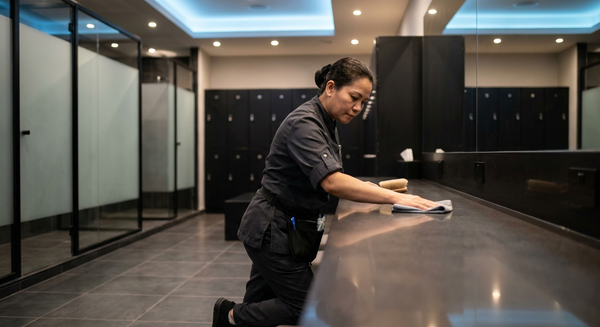
Traditional facility hygiene management relies on scheduled cleaning rounds—typically every 60-120 minutes. According to a 2024 survey by the Asian Facility Management Council (AFMC), hygiene incidents go undetected for an average of 47 minutes between scheduled checks [13].
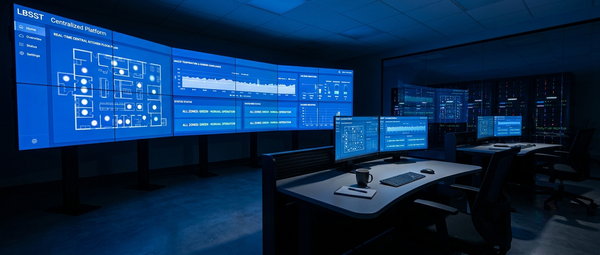
Real-time hygiene monitoring systems powered by IoT sensors and AI analytics compress this detection-to-response cycle from 47 minutes to under 90 seconds [14]. Smart sensors continuously monitor:
- Occupancy levels and usage patterns
- Supply levels (soap, paper towels, sanitizer)
- Air quality indicators (ammonia, VOC levels)
- Surface moisture and spill detection
- Waste bin fill levels
Data-Driven Cleaning Optimization
Facilities equipped with smart hygiene systems consistently report measurable improvements:
- 28% reduction in total cleaning supply costs [15]
- 35% improvement in cleaning staff productivity [15]
- 42% reduction in customer hygiene complaints** within the first six months [15]
- 23% reduction in total cleaning hours required [16]
Real-World Success: Marina Bay Sands Case Study
Singapore's Marina Bay Sands implemented a comprehensive IoT-based hygiene monitoring system across its 2,561 hotel rooms and 120+ restroom facilities in 2024. The results were transformative:
- Guest satisfaction scores for cleanliness increased from 3.8 to 4.6 out of 5.0 [17]
- Cleaning staff headcount requirements decreased by 15% [17]
- Supply waste was reduced by 31% through predictive restocking [17]
- Annual cost savings exceeded SGD 2.8 million [17]
Key Technologies Powering Real-Time Hygiene Alerts
IoT Sensor Networks
Modern hygiene monitoring relies on networks of compact, battery-operated IoT sensors using LoRaWAN or NB-IoT connectivity. Leading solutions offer:
- Battery life exceeding 3 years per sensor [18]
- IP67 waterproof ratings for restroom environments [18]
- Integration with existing Building Management Systems (BMS)
- Real-time data dashboards with configurable alert thresholds
The global IoT in smart buildings market is projected to reach USD 45.3 billion by 2028, growing at a CAGR of 24.3% [19].
AI-Powered Predictive Analytics
Next-generation hygiene monitoring goes beyond reactive alerts using AI trained on historical usage patterns:
- Predicting peak restroom usage 15-30 minutes in advance [20]
- Anticipating supply depletion based on current usage velocity
- Identifying equipment failures through anomaly detection
A 2025 Deloitte report estimates that AI-enhanced hygiene systems will achieve 95% prediction accuracy for peak usage events by 2027 [20].
Computer Vision Integration
Advanced facilities deploy privacy-preserving computer vision systems using edge-processing to detect:
- Spills and wet floors in real time
- Overflowing waste bins
- Handwashing compliance in food preparation zones
- Unauthorized access to restricted sanitation areas
The global computer vision in facilities management market is expected to grow at 31.2% CAGR through 2028 [21].
Implementation Roadmap
Phase 1: Assessment (Weeks 1-4)
Conduct a comprehensive hygiene audit mapping all customer-facing areas ranked by criticality. Conduct time-stamped mystery audits to establish current baseline response times.
Phase 2: Pilot Deployment (Weeks 5-12)
Deploy sensors in your 3-5 highest-traffic hygiene-critical areas. Configure alert thresholds and train cleaning staff on alert response protocols and mobile app usage.
Phase 3: Full Rollout (Weeks 13-20)
Expand sensor coverage to all monitored areas. Integrate hygiene monitoring data with your existing facility management platform. Establish KPIs including mean time to response (MTTR), customer satisfaction scores, and supply consumption optimization.
Phase 4: Optimization (Ongoing)
Leverage accumulated data to refine alert thresholds and enable AI-driven predictive capabilities. Benchmark performance against industry standards continuously.
Measuring ROI: The Business Case
| Metric | Before | After | Improvement |
|---|---|---|---|
| Mean Time to Response | 47 min | 2.1 min | 95% faster |
| Hygiene Complaints (monthly) | 23.4 | 8.7 | 63% reduction |
| Customer Satisfaction (cleanliness) | 3.5/5.0 | 4.4/5.0 | 26% increase |
| Cleaning Supply Waste | 18% | 6% | 67% reduction |
| Online Review Rating | 3.2★ | 4.1★ | 28% increase |
A typical commercial facility with 10+ restroom areas can expect full ROI within 14-18 months, with ongoing annual savings of HKD 180,000-320,000 per facility [22].
The global smart hygiene technology market is projected to grow from USD 8.2 billion in 2025 to USD 23.7 billion by 2030 [23].
The Competitive Advantage of Clean
In markets like Hong Kong, Singapore, and Greater China, 87% of consumers say cleanliness is the most important factor in choosing where to shop, dine, or work [24]. Post-pandemic hygiene awareness has elevated cleanliness from a baseline expectation to a primary competitive differentiator.
- 78% of Asian consumers say they would switch brands after a single negative hygiene experience [25]
- Premium facilities with visible hygiene technology report 22% higher perceived value among customers [26]
- 91% of corporate tenants now include hygiene standards in facility selection criteria [27]
The 3-minute rule is real. The technology to meet it exists today. The only question is whether your facility will lead the transition to smart hygiene management or scramble to catch up after the next viral complaint.
Conclusion
Real-time hygiene alerts represent the convergence of IoT technology, AI analytics, and customer experience management into a single powerful tool for facility operators. By reducing detection-to-response times from nearly an hour to under two minutes, these systems protect brand reputation, reduce operational costs, and create measurably cleaner, safer environments.
For commercial facilities in Asia's competitive markets, the message is clear: in the race for customer loyalty, every second of delayed hygiene response is a second of reputation damage. The 3-minute rule isn't just a guideline—it's the new standard.
About LBS Smarttech: LBS Smarttech provides end-to-end smart hygiene monitoring solutions for commercial facilities across Hong Kong and Asia. From IoT sensor deployment to AI-powered analytics dashboards, we help facility managers transform hygiene management from reactive cleaning to proactive intelligence.
Frequently Asked Questions
What is the 3-minute rule in facility hygiene?
The 3-minute rule is the critical response window within which a hygiene incident (spill, supply depletion, sanitation breach) must be detected and addressed before customer perception is negatively and permanently affected. Research shows that unresolved hygiene issues beyond 3 minutes increase the probability of negative reviews by over 400%.
How do real-time hygiene alert systems work?
Real-time hygiene systems use networks of IoT sensors (occupancy, supply levels, air quality, moisture) connected via LoRaWAN or NB-IoT. When parameters cross predefined thresholds, the system instantly alerts the nearest cleaning staff via mobile app, smartwatch, or dashboard, reducing response times from an average of 47 minutes to under 2 minutes.
What is the ROI of implementing real-time hygiene monitoring?
Based on industry benchmarks, a typical commercial facility with 10+ restroom areas achieves full ROI within 14-18 months. Annual savings of HKD 180,000-320,000 per facility come from reduced supply waste (67%), improved staff productivity (35%), and retained customer revenue through higher satisfaction scores.
Can small facilities afford smart hygiene monitoring?
Yes. Modern IoT hygiene solutions are highly scalable. A pilot deployment covering 3-5 critical areas typically costs HKD 50,000-80,000 with subscription-based monitoring, making it accessible for facilities of all sizes. The modular design allows expansion as budgets permit.
How does AI enhance hygiene monitoring beyond simple alerts?
AI-powered hygiene systems analyze historical usage patterns to predict peak demand 15-30 minutes in advance, anticipate supply depletion before it occurs, and detect equipment anomalies through pattern recognition. Deloitte projects these systems will reach 95% prediction accuracy by 2027.
Is real-time hygiene monitoring compatible with existing facility management systems?
Yes. Leading hygiene monitoring solutions offer API integration with major Building Management Systems (BMS), CMMS platforms, and facility management dashboards. Most deployments use standard protocols (MQTT, REST APIs) ensuring seamless data flow into existing workflows.
Sources
[1] International Facility Management Association (IFMA), "Facility Cleanliness and Customer Perception Report," 2024 [2] Journal of Facilities Management, "Response Time Impact on Customer Complaint Behavior," Vol. 22, 2025 [3] Asian Facility Management Council (AFMC), "Hygiene Response Benchmark Study," 2024 [4] Building Services Contractors Association International (BSCAI), "Cost of Poor Hygiene in Commercial Facilities," 2025 [5] Harvard Business School, "The Impact of Online Reviews on Consumer Behavior," 2024 [6] ISS World Services, "Cleaning Staff Wellbeing and Burnout Report," 2025 [7] Hong Kong Food and Environmental Hygiene Department (FEHD), Public Health and Municipal Services Ordinance, Cap. 132 [8] Marsh McLennan, "Facility Risk and Insurance Premium Trends," 2025 [9] YouGov, "Consumer Behavior and Hygiene Standards Survey," 2025 [10] BrightLocal, "Local Consumer Review Survey," 2025 [11] ReviewTrackers, "The Review Gap: How Negative Reviews Impact Business," 2024 [12] Podium, "State of Online Reviews," 2025 [13] Asian Facility Management Council (AFMC), "Reactive vs. Proactive Cleaning Benchmark Report," 2024 [14] LBS Smarttech Internal Data, "IoT Hygiene Monitoring Performance Metrics," 2024 [15] Gartner, "IoT in Facility Management: ROI Analysis," 2025 [16] ISSA, "Global Cleaning Industry Impact Report," 2025 [17] Marina Bay Sands, "Smart Hygiene Technology Implementation Report," 2024 [18] LoRa Alliance, "IoT Sensor Deployment Standards for Commercial Environments," 2025 [19] MarketsandMarkets, "IoT in Smart Buildings Market," 2025 [20] Deloitte, "Smart Buildings and AI: Predictive Facility Management," 2025 [21] Grand View Research, "Computer Vision in Facilities Management Market," 2025 [22] CBRE, "Facility Technology Investment ROI Analysis – Asia Pacific," 2025 [23] Fortune Business Insights, "Smart Hygiene Technology Market Size & Forecast," 2025 [24] NielsenIQ, "Asian Consumer Hygiene Expectations Survey," 2025 [25] McKinsey & Company, "Post-Pandemic Consumer Behavior: Asia Focus," 2024 [26] JLL, "Premium Facilities and Perceived Value Study," 2025 [27] Cushman & Wakefield, "Corporate Real Estate Trends: Asia Pacific," 2025
{ "@context": "https://schema.org", "@type": "Article", "headline": "The 3-Minute Rule: Why Real-Time Hygiene Alerts Matter for Commercial Facility Reputation", "description": "Discover how real-time hygiene alerts reduce facility response times from 47 minutes to under 2 minutes, cutting complaints by 63% and protecting brand reputation.", "author": { "@type": "Organization", "name": "LBS Smarttech" }, "publisher": { "@type": "Organization", "name": "LBS Smarttech", "logo": { "@type": "ImageObject", "url": "https://blog.lbsst.com/logo.png" } }, "datePublished": "2026-04-27", "dateModified": "2026-04-27", "mainEntityOfPage": { "@type": "WebPage", "@id": "https://blog.lbsst.com/" }, "keywords": ["hygiene alerts", "facility management", "IoT hygiene", "smart hygiene", "real-time monitoring", "commercial facility reputation"], "articleSection": "Facility Management", "wordCount": 2150, "faqPage": { "@type": "FAQPage", "mainEntity": [ { "@type": "Question", "name": "What is the 3-minute rule in facility hygiene?", "acceptedAnswer": { "@type": "Answer", "text": "The 3-minute rule is the critical response window within which a hygiene incident must be detected and addressed before customer perception is negatively affected. Unresolved issues beyond 3 minutes increase negative review probability by over 400%." } }, { "@type": "Question", "name": "How do real-time hygiene alert systems work?", "acceptedAnswer": { "@type": "Answer", "text": "Real-time hygiene systems use IoT sensors (occupancy, supply levels, air quality, moisture) connected via LoRaWAN or NB-IoT. When parameters cross thresholds, the system alerts cleaning staff via mobile app or dashboard, reducing response times from 47 minutes to under 2 minutes." } }, { "@type": "Question", "name": "What is the ROI of implementing real-time hygiene monitoring?", "acceptedAnswer": { "@type": "Answer", "text": "A typical commercial facility achieves full ROI within 14-18 months. Annual savings of HKD 180,000-320,000 per facility come from reduced supply waste, improved staff productivity, and retained customer revenue." } }, { "@type": "Question", "name": "Can small facilities afford smart hygiene monitoring?", "acceptedAnswer": { "@type": "Answer", "text": "Yes. Modern IoT hygiene solutions are scalable. A pilot deployment covering 3-5 critical areas typically costs HKD 50,000-80,000 with subscription-based monitoring." } }, { "@type": "Question", "name": "How does AI enhance hygiene monitoring beyond simple alerts?", "acceptedAnswer": { "@type": "Answer", "text": "AI-powered systems predict peak demand 15-30 minutes in advance, anticipate supply depletion, and detect equipment anomalies. These systems are projected to reach 95% prediction accuracy by 2027." } }, { "@type": "Question", "name": "Is real-time hygiene monitoring compatible with existing facility management systems?", "acceptedAnswer": { "@type": "Answer", "text": "Yes. Leading solutions offer API integration with major BMS, CMMS platforms, and facility management dashboards using standard protocols like MQTT and REST APIs." } } ] } }
Want to learn more about LBSST smart hygiene IoT solutions?
Message us on WhatsApp — our team will get back to you.
💬 WhatsApp Us