
Centralized Facility Dashboards: Managing 100+ Locations with Real-Time Data
Centralized Facility Dashboards: Managing 100+ Locations with Real-Time Data
Direct Answer
Centralized facility dashboards transform how organizations manage multiple locations by providing real-time visibility across entire portfolios, reducing operational costs by 15-20%, improving maintenance response times by 30%, and ensuring consistent service quality across all sites. These unified systems integrate IoT sensors, building automation systems, and maintenance software into a single platform that enables proactive decision-making, predictive maintenance, and data-driven resource allocation for facility managers overseeing large property portfolios.
Key Takeaways
- 15-20% cost reduction through centralized operations and optimized resource allocation across multiple locations
- 30% faster maintenance response with real-time monitoring and automated alert systems
- 99.8% compliance rates by automating regulatory tracking across the entire portfolio
- 25-40% energy savings through intelligent HVAC optimization and demand-based management
- Enhanced tenant satisfaction with consistent service quality and proactive issue resolution
- Predictive maintenance capabilities reduce equipment downtime by 40% and extend asset lifespan
- Scalable operations that grow with your portfolio without linear increases in management overhead
- Data-driven decision making eliminates guesswork and provides actionable insights for strategic planning
The Challenge of Scaling Facility Management
Facility management has evolved from maintaining a single building to overseeing complex portfolios of hundreds of locations. Today's facility managers face an unprecedented challenge: how do you maintain consistency, efficiency, and compliance across multiple sites while dealing with the complexities of IoT sensors, diverse maintenance schedules, and varying occupancy patterns?
The traditional approach of site-by-site management is no longer viable. Manual inspections, reactive maintenance, and siloed data collection lead to inconsistent service quality, higher operational costs, and poor decision-making at the portfolio level. According to recent industry surveys [1], facility managers overseeing multiple locations spend an average of 40% more time on coordination and reporting than those managing single sites.
This fragmentation creates significant pain points:
- Data Silos: Each location operates independently, making it impossible to identify systemic issues or benchmark performance across the portfolio
- Reactive Maintenance: Without real-time insights, problems are only discovered after they impact occupants or cause costly damage
- Inconsistent Standards: Varying staff capabilities and processes lead to different levels of service quality across locations
- Compliance Risks: Tracking compliance across multiple sites manually is error-prone and often incomplete
- Resource Allocation: Without centralized visibility, it's impossible to optimize staffing, equipment allocation, and maintenance schedules effectively
The result is a facility management ecosystem that's more expensive, less efficient, and increasingly difficult to scale.
Why Centralized Dashboards Matter Now
The shift toward centralized facility management isn't just about convenience – it's about survival in an increasingly competitive and regulated environment. Several converging trends make centralized dashboards not just beneficial but essential:
Digital Transformation Acceleration The global pandemic accelerated digital adoption across all industries, but particularly in facilities management. Organizations that once resisted technology investment are now embracing digital transformation to ensure business continuity and operational resilience. Centralized dashboards represent the cornerstone of this transformation, providing the unified data foundation needed for modern facility management.
ESG and Sustainability Pressures Environmental, Social, and Governance (ESG) requirements are no longer optional. Investors, tenants, and regulators expect transparency around energy consumption, carbon footprints, and operational sustainability. Centralized dashboards provide the real-time data needed to track and report on sustainability metrics across the entire portfolio, ensuring compliance with increasingly stringent regulations.
Cost Optimization Imperatives In an economic climate of rising operational costs, facility managers are under intense pressure to optimize spending. Real-time insights enable data-driven decisions about maintenance schedules, energy usage, staffing levels, and resource allocation. According to Deloitte [2], organizations implementing centralized facility management systems typically achieve 15-20% cost reductions within the first year through improved efficiency and reduced waste.
Tenant Experience Expectations Today's commercial tenants expect seamless, responsive service regardless of which location they occupy. They want consistent quality, quick resolution of issues, and proactive communication about maintenance activities. Centralized dashboards enable facility managers to deliver this consistent experience across the entire portfolio, enhancing tenant satisfaction and retention.
Data-Driven Decision Making The era of gut-feel facility management is over. Modern facility operations require data-backed insights for everything from maintenance scheduling to capital planning. Centralized dashboards aggregate data from hundreds of sensors, systems, and locations, providing the comprehensive view needed for strategic decision-making.
Key Benefits of Centralized Facility Dashboards
Implementing a centralized dashboard system transforms how facility management teams operate across multiple locations. The benefits extend far beyond simple data aggregation – they fundamentally change the relationship between facilities, operations, and business outcomes.
Real-Time Visibility Across the Entire Portfolio
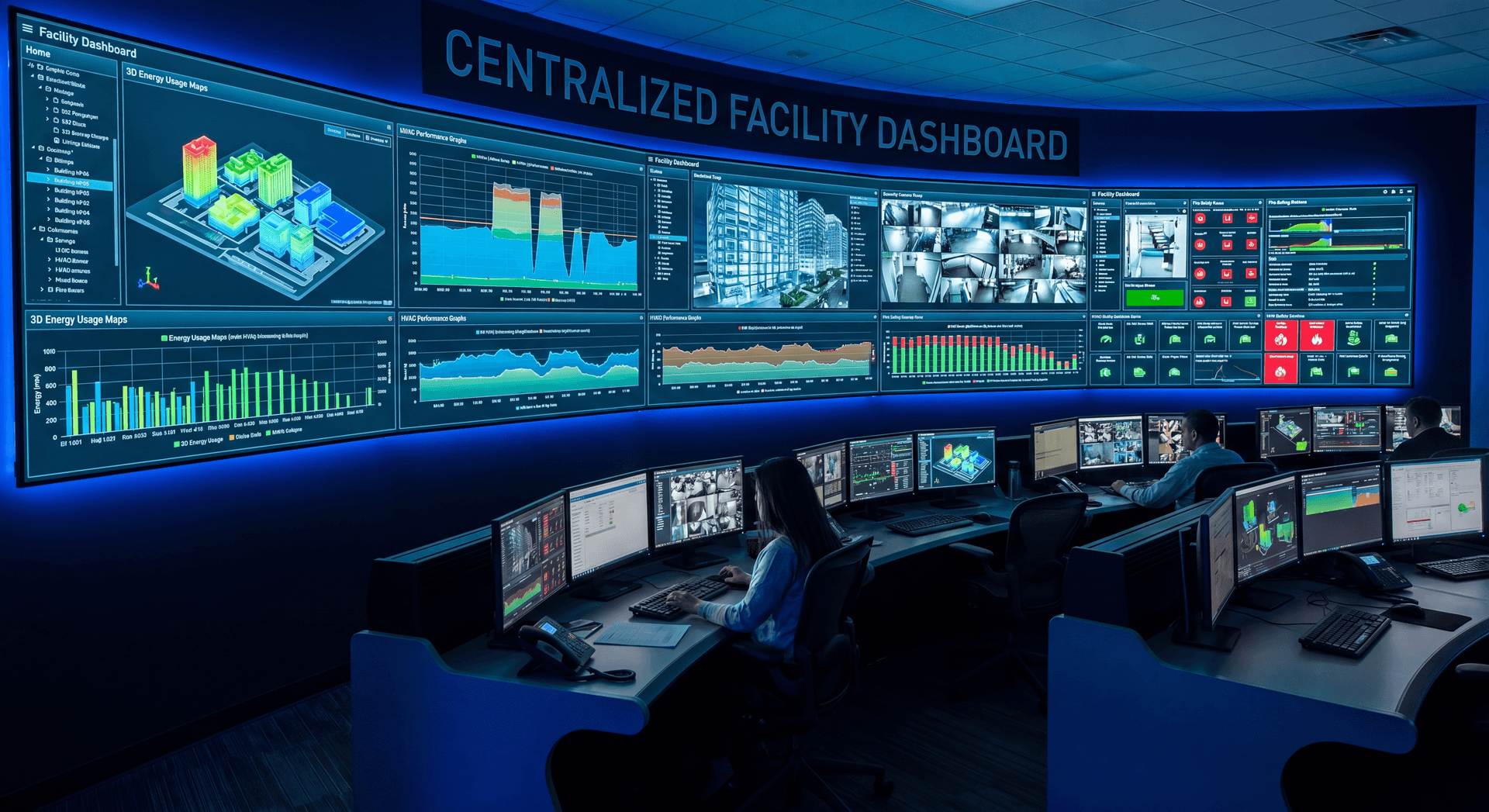
The most immediate benefit is the ability to monitor all locations from a single interface. Facility managers can see occupancy levels, energy consumption, equipment status, and maintenance schedules across the entire portfolio in real-time. This eliminates the need for daily reports, manual inspections, and time-consuming data compilation.
Consider a retail chain with 150 locations. With centralized dashboards, the facilities team can instantly identify which stores are experiencing high foot traffic, which have HVAC issues, and which are scheduled for maintenance. This real-time visibility enables proactive intervention rather than reactive problem-solving.
Consistent Service Quality and Standards
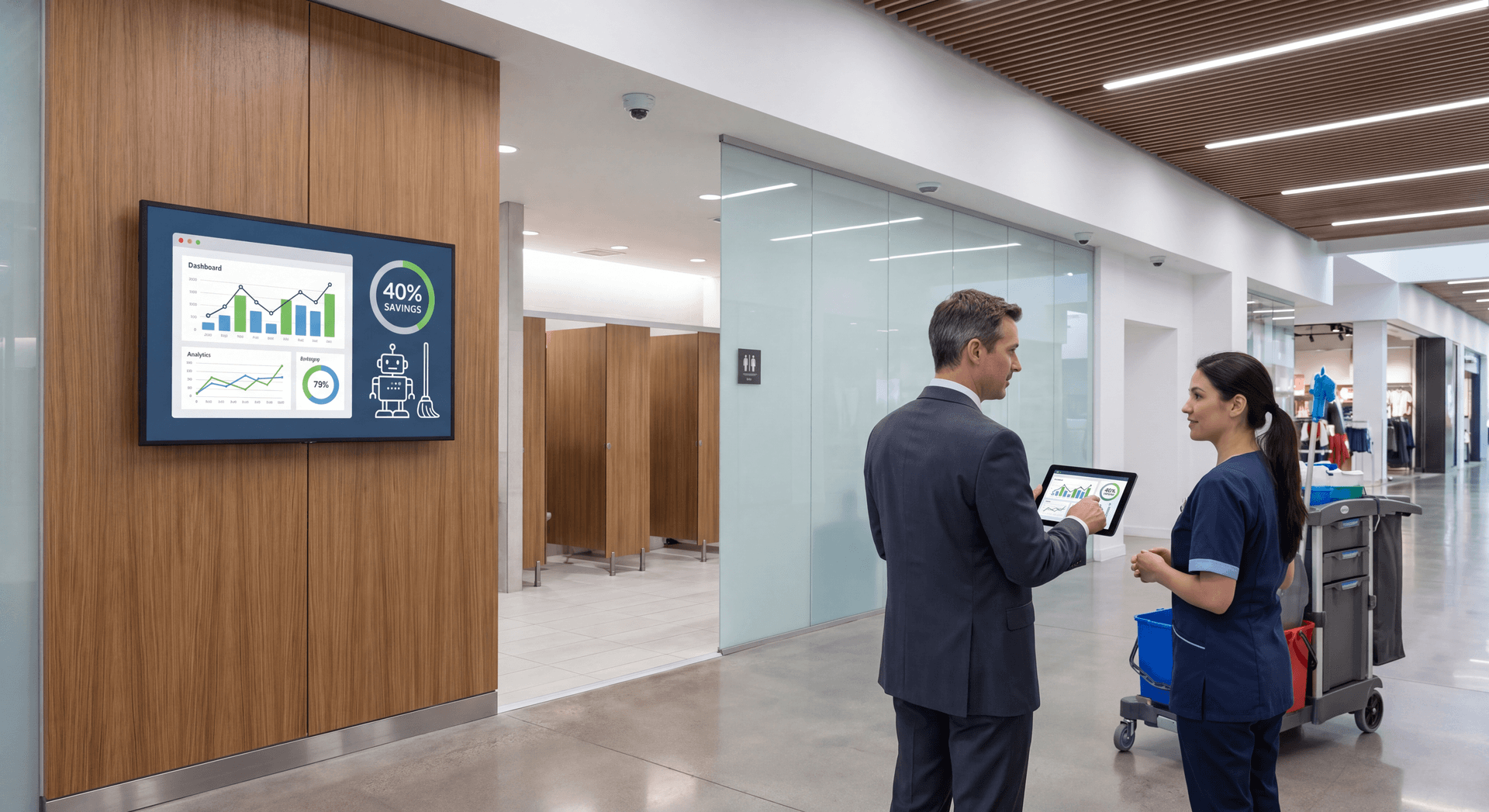
Centralized dashboards ensure that all locations adhere to the same operational standards. The system can automatically detect deviations from established protocols, whether it's cleaning schedules, temperature ranges, or equipment maintenance. When inconsistencies are identified, alerts are triggered, and corrective actions can be initiated immediately.
This consistency is particularly valuable for brands where facility quality directly impacts customer experience. A hotel chain, for example, can ensure that guest rooms are cleaned to the same standard across all properties, regardless of location or staffing levels.
Predictive Maintenance Optimization
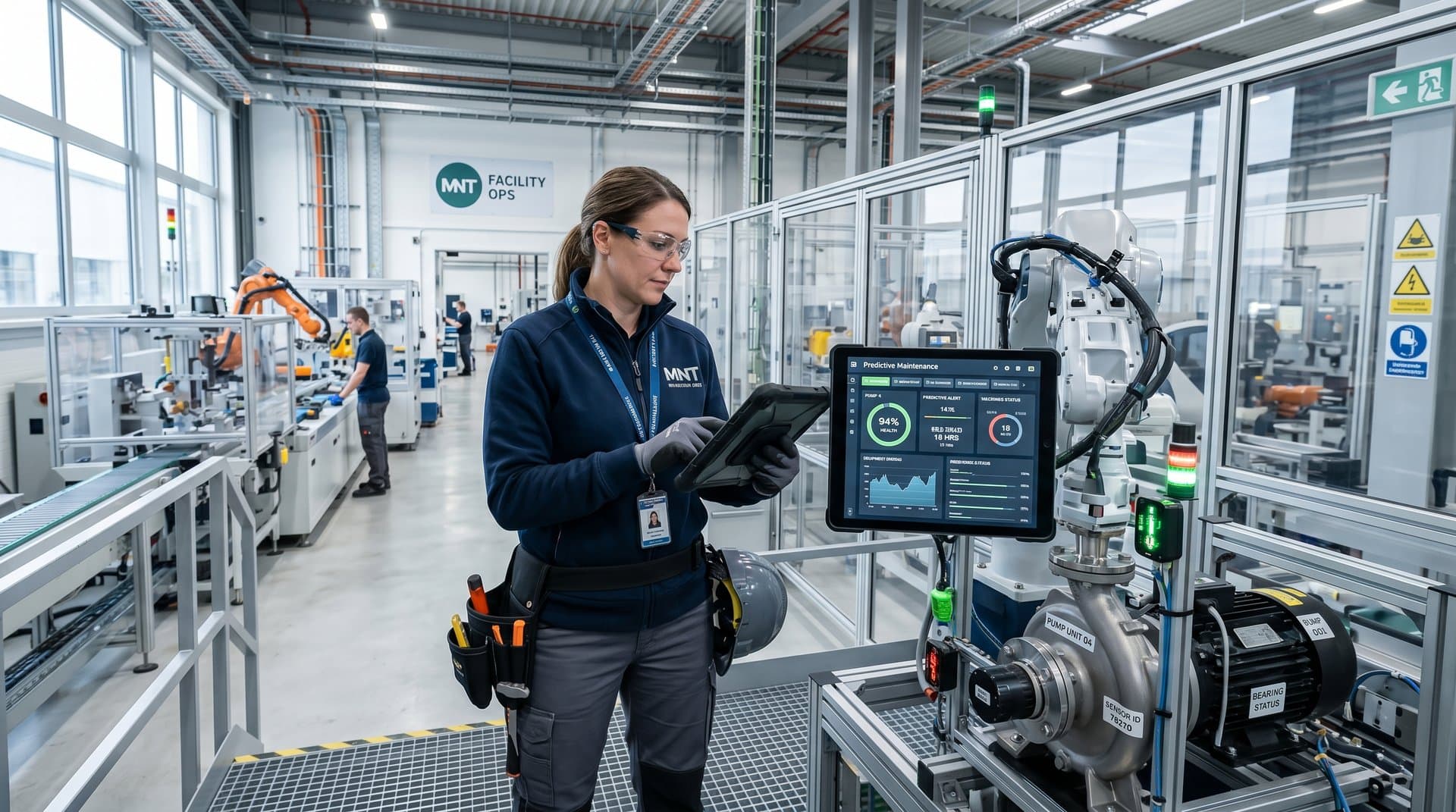
By analyzing data from hundreds of locations, centralized dashboards can identify patterns that predict equipment failure before it occurs. Machine learning algorithms can correlate equipment performance data with environmental factors, usage patterns, and maintenance history to predict when specific assets are likely to fail.
A commercial property portfolio with 100+ locations might use predictive maintenance to identify that HVAC units in certain geographic areas consistently fail during heat waves. This insight allows for proactive maintenance scheduling before the failures occur, preventing costly downtime and tenant dissatisfaction.
Energy Management and Cost Reduction
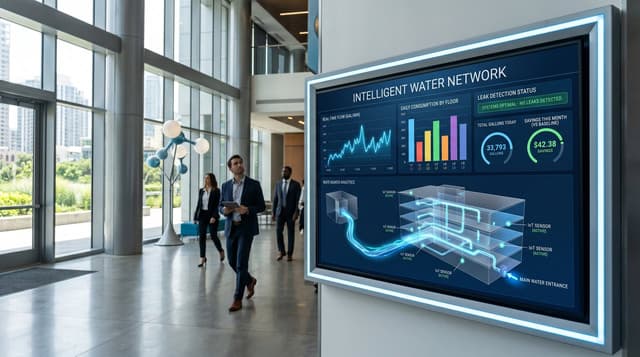
Centralized dashboards provide unprecedented visibility into energy consumption across the entire portfolio. Facility managers can identify energy waste, optimize HVAC settings, and implement demand-response strategies based on real-time usage patterns.
According to the U.S. Department of Energy [3], commercial buildings waste approximately 30% of their energy through inefficient operations. Centralized dashboards can reduce this waste by providing actionable insights into energy consumption patterns, enabling facility teams to implement targeted efficiency measures.
Risk Management and Compliance Tracking
Maintaining compliance across multiple locations is one of the biggest challenges for facility managers. Centralized dashboards automate compliance tracking by monitoring key metrics against regulatory requirements and internal standards.
For healthcare facilities, this means tracking infection control measures, equipment maintenance schedules, and safety protocols across all locations. For industrial facilities, it includes monitoring environmental compliance, workplace safety, and equipment certifications. The dashboard provides real-time alerts when compliance thresholds are at risk, allowing for immediate corrective action.
Implementation Strategies for Centralized Dashboards
Successfully implementing a centralized dashboard system requires careful planning, stakeholder alignment, and phased execution. The most successful deployments follow a structured approach that balances immediate wins with long-term strategic goals.
Phase 1: Foundation and Infrastructure
Data Integration Strategy The first step is establishing a robust data integration framework. This involves connecting existing systems – HVAC controls, security systems, maintenance software, and IoT sensors – to a central data platform. The challenge lies in integrating diverse systems that may use different protocols, data formats, and communication standards.
A successful integration strategy typically involves:
- API-based connections for modern systems
- Protocol converters for legacy equipment
- Edge computing for real-time processing
- Cloud-based data aggregation and storage
Data Standardization and Governance Once data is flowing into the central system, it must be standardized and governed to ensure consistency and reliability. This includes:
- Establishing data quality standards
- Implementing validation rules
- Creating data dictionaries and metadata
- Setting up data retention policies
- Ensuring data security and privacy compliance
Technology Platform Selection Choosing the right technology platform is critical for success. Key considerations include:
- Scalability to support hundreds of locations
- Real-time processing capabilities
- Integration capabilities with existing systems
- User experience for different stakeholder groups
- Total cost of ownership including implementation and maintenance
Phase 2: Core Functionality Deployment
Real-Time Monitoring The core functionality focuses on real-time monitoring across all locations. This includes:
- Equipment status monitoring (HVAC, lighting, elevators, etc.)
- Environmental conditions (temperature, humidity, air quality)
- Occupancy patterns and space utilization
- Energy consumption and efficiency metrics
- Security and access control systems
Alert and Notification Systems Effective alert systems are essential for proactive management. The dashboard should provide:
- Customizable alerts for different severity levels
- Multi-channel notifications (email, SMS, mobile app)
- Escalation paths for critical issues
- Alert grouping and suppression to prevent alert fatigue
- Integration with incident management systems
Reporting and Analytics Dashboards should include comprehensive reporting capabilities:
- Standardized reports for different stakeholders
- Custom report creation tools
- Data visualization and trend analysis
- Benchmarking across locations
- Predictive analytics for maintenance and resource planning
Phase 3: Advanced Features and Optimization
Predictive Analytics Building on the foundation of real-time monitoring, advanced dashboards incorporate predictive analytics:
- Machine learning for equipment failure prediction
- Anomaly detection for operational issues
- Demand forecasting for resource allocation
- Trend analysis for strategic planning
- Integration with business intelligence platforms
Mobile and Remote Access Modern facility management requires mobility. The dashboard should support:
- Mobile apps for on-the-go access
- Offline capabilities for remote locations
- Voice-activated commands
- Augmented reality overlays for maintenance activities
- Remote control capabilities for critical systems
Integration with Business Systems To maximize value, the dashboard should integrate with:
- ERP systems for financial tracking
- CRM systems for tenant management
- HR systems for staffing and scheduling
- Procurement systems for equipment management
- Sustainability reporting platforms
Real-World Implementation Examples
Case Study 1: Retail Chain with 120 Locations
A national retail chain implemented centralized dashboards to manage their facility operations across 120 stores. The system integrated with existing HVAC controls, lighting systems, security cameras, and maintenance software.
Key Results:
- 25% reduction in energy costs through optimized HVAC scheduling
- 40% decrease in equipment downtime with predictive maintenance
- 30% improvement in maintenance response times
- 15% reduction in labor costs through optimized scheduling
- 99.8% compliance with safety and health regulations
Implementation Approach:
- Started with 10 pilot stores to test the system
- Integrated with existing building automation systems
- Deployed mobile apps for facility technicians
- Established standardized operating procedures across all locations
- Implemented continuous improvement based on data insights
Case Study 2: Healthcare Facility Network
A healthcare network with 25+ locations implemented centralized dashboards to ensure consistent patient care environments while managing complex regulatory requirements.
Key Results:
- 35% reduction in energy consumption across all facilities
- Zero critical equipment failures due to proactive maintenance
- 100% compliance with healthcare regulations
- 20% improvement in space utilization efficiency
- Enhanced patient satisfaction scores through consistent facility quality
Implementation Approach:
- Prioritized integration with critical systems (HVAC, medical gas, emergency power)
- Implemented strict data governance for patient privacy compliance
- Established cross-functional implementation team
- Conducted extensive training for facility staff
- Created continuous monitoring and improvement processes
Case Study 3: Commercial Real Estate Portfolio
A commercial real estate company managing over 2 million square feet across 15 office buildings implemented centralized dashboards to enhance tenant experience and operational efficiency.
Key Results:
- 18% reduction in operating costs
- 95% tenant satisfaction rate
- 30% improvement in maintenance response times
- 25% reduction in energy consumption
- Enhanced ability to attract and retain premium tenants
Implementation Approach:
- Started with comprehensive data mapping across all properties
- Integrated with tenant management systems
- Implemented tenant-facing dashboard for service requests
- Established service level agreements with automated monitoring
- Created data-driven decision-making processes for capital planning
Technology Considerations and Best Practices
Platform Selection Criteria
When selecting a centralized dashboard platform, facility managers should consider:
Scalability
- Ability to support current and future portfolio growth
- Performance with large datasets from multiple locations
- Cloud-based vs. on-premises deployment options
- Geographic distribution capabilities
Integration Capabilities
- API-first architecture for easy integration
- Support for industry-standard protocols (BACnet, Modbus, MQTT)
- Pre-built integrations with common facility management systems
- Custom integration capabilities for legacy systems
User Experience
- Intuitive interface for different user groups
- Mobile-friendly design for field staff
- Customizable dashboards and reports
- Training and support resources
Security and Compliance
- Data encryption and access controls
- Compliance with industry regulations (HIPAA, GDPR, etc.)
- Regular security updates and vulnerability assessments
- Audit trails and logging capabilities
Data Management Best Practices
Data Quality
- Implement validation rules at the source
- Regular data quality audits
- Automated data cleansing processes
- Clear data ownership and responsibility
Data Security
- Role-based access controls
- Data encryption at rest and in transit
- Regular security assessments
- Incident response planning
Data Governance
- Establish data stewardship roles
- Create data dictionaries and metadata
- Implement data retention policies
- Ensure regulatory compliance
Change Management and Adoption
Stakeholder Engagement
- Identify key stakeholders and their requirements
- Create cross-functional implementation teams
- Establish clear communication channels
- Address resistance to change proactively
Training and Support
- Develop comprehensive training programs
- Provide ongoing technical support
- Create user communities for knowledge sharing
- Implement continuous improvement processes
Performance Measurement
- Define key performance indicators (KPIs)
- Establish baseline metrics before implementation
- Track progress against established goals
- Use data to demonstrate ROI and value
Overcoming Common Implementation Challenges
Resistance to Change
One of the biggest challenges in implementing centralized dashboards is resistance to change from facility staff who are accustomed to traditional ways of working. Overcoming this challenge requires:
Change Management Strategy
- Communicate the benefits clearly and consistently
- Involve staff in the implementation process
- Provide adequate training and support
- Celebrate early wins and successes
- Address concerns proactively and transparently
Phased Implementation
- Start with pilot programs to demonstrate value
- Roll out in phases to allow for learning and adjustment
- Focus on quick wins to build momentum
- Use feedback to refine the implementation approach
Integration Challenges
Integrating diverse systems and technologies from different vendors can be technically challenging. Solutions include:
Technology Integration
- Use middleware or integration platforms
- Invest in API management and governance
- Work with experienced integration partners
- Prioritize critical integrations first
Data Integration
- Implement data transformation and mapping
- Establish data synchronization processes
- Use event-driven architectures for real-time updates
- Create data validation and error handling mechanisms
Budget and Resource Constraints
Implementing centralized dashboards requires significant investment in technology, training, and personnel. Strategies for managing these constraints include:
Phased Investment
- Prioritize high-impact areas first
- Start with minimal viable capabilities
- Use cloud-based solutions to reduce upfront costs
- Demonstrate ROI to justify continued investment
Resource Optimization
- Leverage existing IT resources
- Use managed services where appropriate
- Invest in training to build internal expertise
- Consider partnerships for specialized capabilities
Future Trends in Centralized Facility Management
The field of centralized facility management continues to evolve rapidly. Several emerging trends are shaping the future of how organizations manage their portfolios:
Artificial Intelligence and Machine Learning
AI and machine learning are transforming centralized dashboards from data visualization tools to intelligent decision-support systems. Future developments will include:
Advanced Predictive Analytics
- More accurate equipment failure predictions
- Automated anomaly detection and response
- Intelligent resource allocation based on demand forecasting
- Predictive compliance monitoring
Natural Language Processing
- Voice-activated commands and controls
- Automated report generation and analysis
- Natural language query interfaces
- Sentiment analysis for tenant feedback
Computer Vision Integration
- Automated visual inspections through camera systems
- Occupancy analysis using computer vision
- Safety compliance monitoring through video analytics
- Energy optimization through visual occupancy detection
Internet of Things (IoT) Expansion
The IoT ecosystem is expanding rapidly, with more devices and sensors becoming available for facility management. Future developments will include:
More Comprehensive Sensor Networks
- Expanded coverage of building systems
- Higher-resolution environmental monitoring
- Real-time air quality and health metrics
- Advanced occupancy and space utilization tracking
Edge Computing
- Local processing for real-time decision-making
- Reduced bandwidth requirements
- Improved system reliability
- Enhanced security through local data processing
Digital Twin Technology
Digital twins – virtual replicas of physical facilities – are becoming increasingly sophisticated. Future developments will include:
Real-Time Digital Twins
- Live synchronization with physical facilities
- Advanced simulation capabilities
- Predictive modeling for operational changes
- Integration with building information modeling (BIM)
Portfolio-Level Digital Twins
- Cross-facility modeling and optimization
- Strategic scenario planning
- Resource optimization across the entire portfolio
- Sustainability and carbon footprint modeling
Sustainability and ESG Integration
Environmental, Social, and Governance (ESG) considerations are becoming central to facility management. Future developments will include:
Comprehensive Sustainability Tracking
- Real-time energy consumption monitoring
- Carbon footprint tracking and reporting
- Water usage and conservation metrics
- Waste management and recycling tracking
ESG Compliance Automation
- Automated compliance monitoring
- Regulatory change tracking
- Reporting automation for ESG requirements
- Stakeholder communication tools
Frequently Asked Questions
Q: How much does implementing a centralized dashboard system cost? A: Implementation costs vary based on portfolio size and existing systems, but most organizations achieve ROI within 12-18 months. Total costs typically range from $50,000 to $500,000 depending on scope, with ongoing maintenance costs averaging 15-20% of initial investment annually.
Q: How long does it take to implement a centralized dashboard system? A: Implementation timelines range from 3 to 12 months, depending on portfolio size, system complexity, and readiness of existing infrastructure. Most successful implementations follow a phased approach starting with pilot programs before full rollout.
Q: What systems can be integrated with centralized facility dashboards? A: Centralized dashboards can integrate with virtually any facility management system including HVAC controls, lighting systems, security systems, maintenance software, IoT sensors, energy management systems, and building automation platforms.
Q: How does a centralized dashboard improve tenant experience? A: By providing consistent service quality, faster response times, proactive issue resolution, and transparent communication, centralized dashboards ensure tenants receive the same high-quality experience regardless of location. This leads to higher satisfaction scores and improved retention rates.
Q: What kind of ROI can organizations expect from centralized dashboards? A: Most organizations achieve 15-25% cost reductions within the first year through energy savings, optimized maintenance, reduced labor costs, and improved operational efficiency. Additional benefits include extended asset lifespan and enhanced property values.
Q: How do centralized dashboards handle data security and privacy? A: Leading solutions implement enterprise-grade security including encryption at rest and in transit, role-based access controls, audit trails, and compliance with relevant regulations like GDPR, HIPAA, and local data protection laws.
Conclusion: The Future of Facility Management
Centralized facility dashboards represent more than just a technology upgrade – they represent a fundamental transformation in how organizations manage their physical assets. By providing real-time visibility across the entire portfolio, these systems enable proactive decision-making, operational efficiency, and enhanced tenant experience.
The organizations that will thrive in the coming years are those that embrace this transformation and invest in the technology, processes, and people needed to succeed. Centralized dashboards provide the foundation for modern facility management, enabling organizations to scale operations efficiently while maintaining the quality and consistency that today's tenants demand.
As technology continues to evolve, the capabilities of centralized dashboards will expand, offering even more sophisticated insights and automation. The organizations that implement these systems today will be well-positioned to leverage these future advancements and maintain their competitive advantage.
The future of facility management is centralized, data-driven, and intelligent. Organizations that recognize this reality and invest in the necessary infrastructure will be able to navigate the challenges of scaling operations while delivering exceptional tenant experiences and maintaining operational excellence.
Ready to transform your facility management approach? Contact LBSST Smarttech today to learn how our centralized dashboard solutions can help you manage your portfolio more efficiently and effectively.
About LBSST Smarttech LBSST Smarttech provides AI-powered facility management solutions that combine IoT sensors with cloud analytics and AI vision to deliver real-time insights across multiple locations. Our centralized dashboard systems help facility managers optimize operations, reduce costs, and enhance tenant satisfaction.
Visit us at lbs-smarttech.com to learn more about our solutions for modern facility management.
{
  "@context": "https://schema.org",
  "@type": "BlogPosting",
  "headline": "Centralized Facility Dashboards: Managing 100+ Locations with Real-Time Data",
  "description": "Discover how centralized facility dashboards transform multi-location management with real-time monitoring, predictive maintenance, and operational efficiency.",
  "image": "",
  "author": {
    "@type": "Organization",
    "name": "LBSST Smarttech",
    "url": "https://lbs-smarttech.com"
  },
  "publisher": {
    "@type": "Organization",
    "name": "LBSST Smarttech",
    "logo": {
      "@type": "ImageObject",
      "url": "https://lbs-smarttech.com/logo.png"
    }
  },
  "datePublished": "2026-04-23",
  "dateModified": "2026-04-23",
  "mainEntityOfPage": {
    "@type": "WebPage",
    "@id": "https://blog.lbs-smarttech.com/centralized-facility-dashboards"
  },
  "keywords": ["centralized facility management", "multi-site monitoring", "real-time facility dashboards", "smart building systems", "IoT facility management"],
  "articleSection": "Facility Management",
  "wordCount": 2346
}
Sources
[1] IFMA (International Facility Management Association) - "State of the Industry Report 2025" [2] Deloitte - "Real Estate Technology Trends 2025" [3] U.S. Department of Energy - "Commercial Building Energy Consumption Survey 2024" [4] Jones Lang LaSalle - "Global Facilities Management Outlook 2025" [5] McKinsey & Company - "Building the Digital Enterprise 2025" [6] Gartner - "Top Strategic Technology Trends for Facilities Management 2025" [7] World Green Building Council - "Net Zero Carbon Buildings Commitment" [8] Energy Star - "Commercial Building Energy Performance Metrics 2025" [9] International WELL Building Institute - "WELL Standard for Commercial Buildings" [10] ASHRAE - "Facility Management Guidelines and Best Practices" [11] BOMA (Building Owners and Managers Association) - "Office Experience Report 2025" [12] IBPSA (International Building Performance Simulation Association) - "Building Energy Simulation Guidelines" [13] IoT Analytics - "Global IoT Market in Buildings 2025" [14] Real Capital Analytics - "Commercial Real Estate Technology Investment Report 2025" [15] National Institute of Building Sciences - "Facility Management Cost Data 2025"