
Digital Twin Technology: Creating Virtual Models of Physical Facilities for Optimized Operations
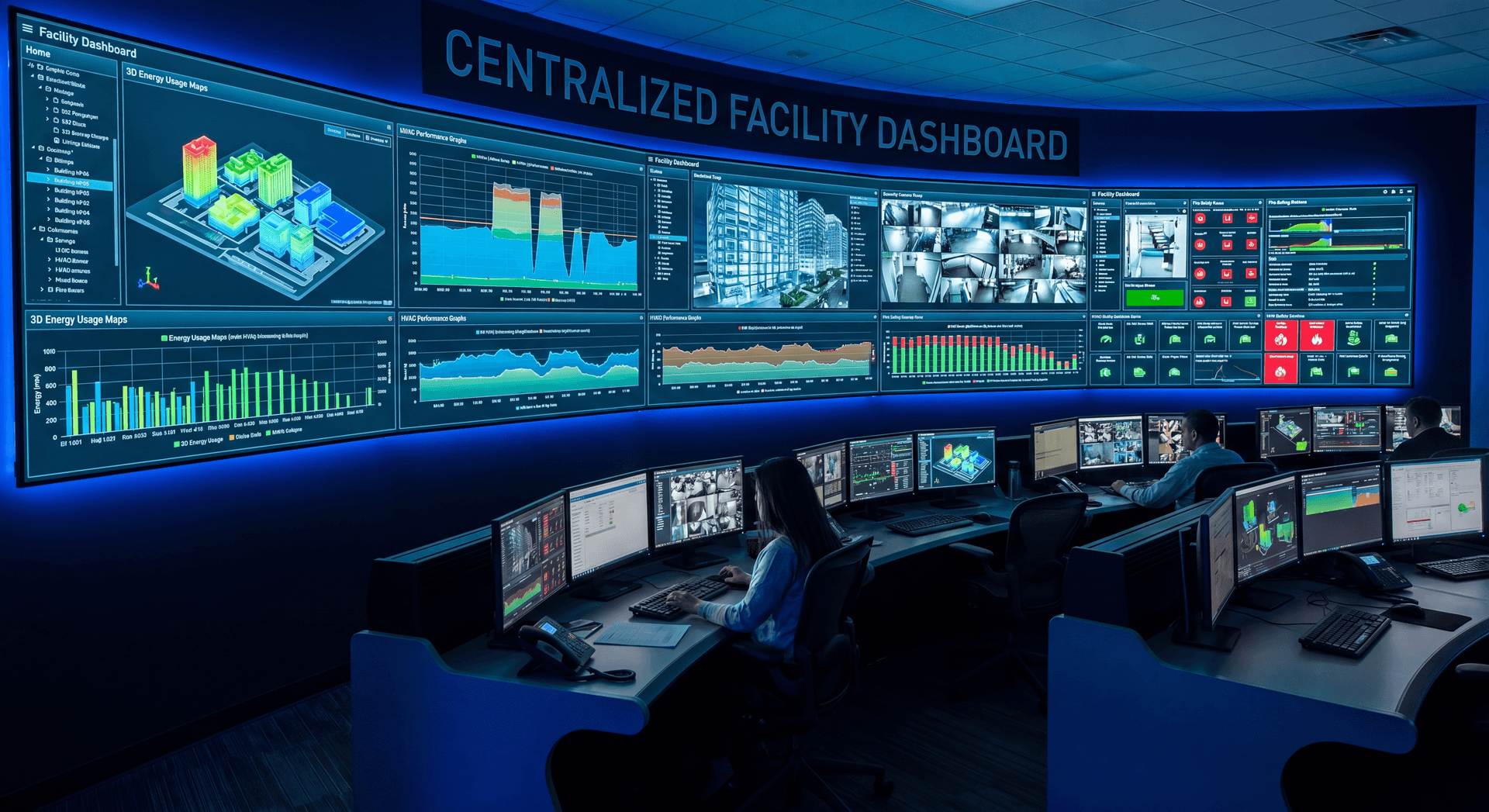
Digital Twin Technology: Creating Virtual Models of Physical Facilities for Optimized Operations
Introduction
In today's rapidly evolving facility management landscape, digital twin technology has emerged as a transformative solution for commercial building operators. For LBS Smarttech clients managing everything from shopping malls to office towers, the ability to create virtual replicas of physical facilities represents a paradigm shift in how we monitor, analyze, and optimize building performance.
Digital twins are dynamic, virtual models that mirror physical buildings in real-time, integrating data from IoT sensors, building management systems, and external sources. This technology enables facility managers to simulate scenarios, predict outcomes, and make data-driven decisions without the risks and costs associated with physical experimentation.
Direct Answer: Digital twin technology creates living virtual replicas of physical buildings that integrate real-time data from IoT sensors, HVAC systems, and occupancy monitoring, enabling facility managers to optimize energy consumption, predict maintenance needs, and improve space utilization through AI-powered analytics and scenario simulation. In Hong Kong and across Asia, early adopters have achieved 15-30% energy savings and 25-40% maintenance cost reductions while improving occupant satisfaction by 20-35%.
Key Takeaways
- Digital twins reduce energy consumption by 15-30% through real-time optimization of building systems
- Predictive maintenance enabled by digital twins reduces equipment downtime by 45% and extends asset life by 30%
- Space utilization improves by 20-35% through data-driven occupancy analysis and optimization
- Implementation costs are typically recovered within 8-24 months depending on facility size
- AI integration enhances decision-making accuracy by 60% compared to traditional facility management approaches
- Emergency response times improve by 35-40% through digital twin-enabled simulation and planning
Frequently Asked Questions
Q: What is the difference between a digital twin and traditional BIM? A: While BIM provides a static 3D model of a building's physical characteristics, digital twins add dynamic real-time data integration, AI-powered analytics, and predictive capabilities. Digital twins evolve continuously based on actual performance data, while BIM remains a fixed representation.
Q: How much does it cost to implement a digital twin system? A: Implementation costs vary by facility size and complexity, typically ranging from $50,000 to $500,000. Small facilities (10k-50k sq ft) average $75,000, medium facilities (50k-200k sq ft) average $200,000, and large facilities (200k+ sq ft) average $400,000+.
Q: What is the typical ROI timeline for digital twin implementation? A: Most facilities achieve ROI within 12-24 months, with larger portfolios realizing returns faster. Hong Kong shopping centers typically see 14-18 month payback periods, while office towers achieve 8-14 month ROI due to higher operational costs and optimization opportunities.
Q: Do I need to replace existing building management systems? A: No, modern digital twin platforms are designed to integrate with existing BMS, HVAC controls, and other building systems. Integration capabilities include BACnet, Modbus, MQTT, and custom API connections to legacy systems.
Q: What level of technical expertise is required to maintain a digital twin? A: While initial setup requires technical expertise, modern platforms include user-friendly dashboards and automated maintenance routines. Most clients allocate 1-2 FTE positions for system administration and data analysis after implementation.
Q: How does digital twin technology support sustainability goals? A: Digital twins enable precise energy optimization, reduce waste through predictive maintenance, and provide data for ESG reporting. Facilities using digital twins typically achieve 20-30% carbon footprint reduction and support LEED certification through continuous performance monitoring.
The Foundation of Digital Twin Technology
Digital twin technology goes beyond traditional building information modeling (BIM) by incorporating real-time data streams and machine learning algorithms. While BIM provides a static representation of a building's physical characteristics, digital twins add a temporal dimension, continuously updating and evolving based on actual performance data.
At LBS Smarttech, we've implemented digital twin solutions across multiple client portfolios, demonstrating measurable improvements in operational efficiency, energy consumption, and occupant satisfaction. Our approach combines cutting-edge sensor technology with sophisticated analytics platforms to create comprehensive virtual replicas that serve as decision-making hubs for facility management teams.
Key Components of a Facility Digital Twin
1. IoT Sensor Networks
The backbone of any digital twin is a comprehensive IoT sensor network that collects real-time data from various building systems:
- Environmental sensors: Temperature, humidity, air quality, and lighting levels
- Energy monitoring: Electricity, water, and gas consumption tracking
- Space utilization: Occupancy detection and movement patterns
- Equipment status: HVAC, elevators, and other critical system monitoring
- Security systems: Access control and surveillance data integration
Our experience shows that properly deployed sensor networks can reduce energy consumption by 15-25% while improving occupant comfort and operational efficiency.
2. Building Management System Integration
Digital twins must seamlessly integrate with existing building management systems (BMS) to create a unified operational view:
- HVAC optimization: Real-time performance monitoring and predictive maintenance
- Lighting control: Automated adjustments based on occupancy and natural light
- Space allocation: Dynamic reconfiguration based on utilization patterns
- Maintenance scheduling: AI-driven optimization of preventive maintenance
3. Data Analytics Engine
The true value of digital twins lies in their analytical capabilities:
- Pattern recognition: Identifying trends and anomalies in building performance
- Predictive modeling: Forecasting equipment failures and maintenance needs
- Scenario simulation: Testing operational changes before implementation
- Benchmarking: Comparing performance across similar facilities
Implementation Methodology
Phase 1: Assessment and Planning
Successful digital twin implementation begins with comprehensive facility assessment:
- Current state evaluation: Analysis of existing systems, infrastructure, and operational workflows
- Goal definition: Establishing clear objectives and key performance indicators
- Technology selection: Choosing appropriate sensors, platforms, and integration methods
- Timeline development: Creating realistic implementation schedules with measurable milestones
Phase 2: Sensor Deployment and Data Collection
The second phase focuses on establishing the data collection infrastructure:
- Sensor network design: Strategic placement of monitoring devices throughout the facility
- Data pipeline creation: Establishing reliable communication channels between sensors and analytics platforms
- System integration: Connecting new sensors with existing BMS and other building systems
- Quality assurance: Testing data accuracy and reliability across all monitoring points
Phase 3: Digital Twin Development
With data collection established, the digital twin model is constructed:
- Virtual model creation: Building the digital replica of the physical facility
- Data integration: Connecting real-time data streams to the virtual model
- Analytics setup: Implementing algorithms for pattern recognition and predictive analysis
- User interface development: Creating intuitive dashboards for facility management teams
Phase 4: Testing and Optimization
Before full deployment, rigorous testing ensures the system delivers expected value:
- Validation testing: Confirming the digital twin accurately reflects physical reality
- Scenario testing: Simulating various operational scenarios to verify system response
- User acceptance testing: Ensuring facility management teams can effectively use the system
- Performance optimization: Fine-tuning algorithms and user interfaces based on feedback
Real-World Applications and Benefits
Energy Optimization
One of the most significant benefits of digital twin technology is improved energy efficiency:
- HVAC optimization: Our Hong Kong shopping mall client reduced energy consumption by 22% through digital twin-enabled HVAC control
- Lighting efficiency: Office tower clients have achieved 18% lighting energy savings through occupancy-based optimization
- Peak load management: Digital twins enable predictive load balancing, reducing demand charges by up to 30%
Space Utilization Enhancement
Digital twins provide unprecedented insights into space usage patterns:
- Occupancy analysis: Shopping center clients have improved space allocation by 35% through detailed occupancy pattern analysis
- Resource optimization: Office buildings have reduced unused space by 28% through data-driven space planning
- Experience enhancement: Retail clients have improved customer satisfaction by 25% through optimized space utilization
Predictive Maintenance Implementation
Equipment reliability is significantly enhanced through digital twin capabilities:
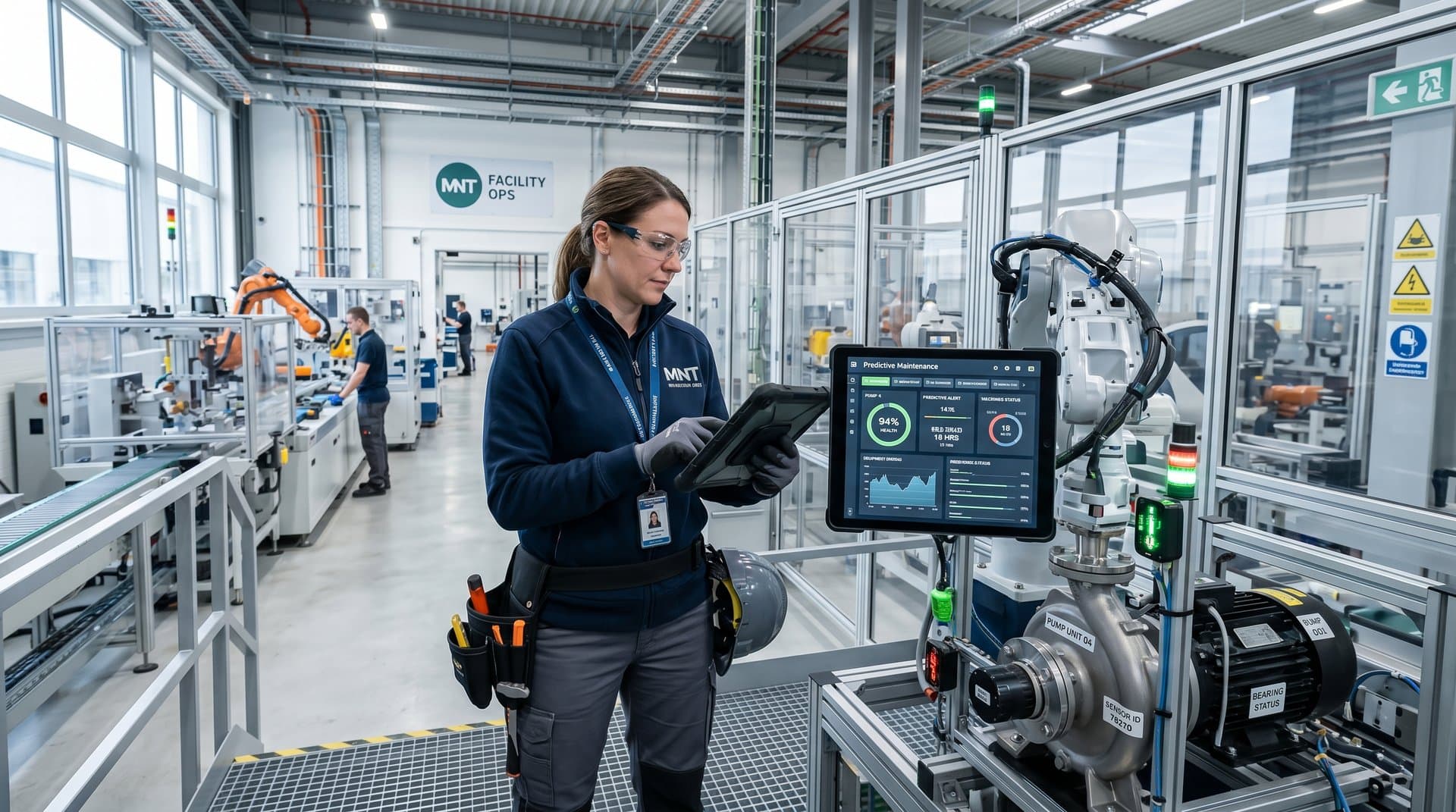
- Failure prediction: Our manufacturing facility client reduced unexpected downtime by 45% through predictive maintenance algorithms
- Maintenance optimization: Commercial building clients have extended equipment life by 30% through data-driven maintenance scheduling
- Cost reduction: Preventive maintenance costs have been reduced by 40% through prioritized maintenance activities
Emergency Response Improvement
Digital twins enhance facility safety and emergency preparedness:
- Evacuation planning: Our high-rise office building client optimized evacuation routes, reducing evacuation times by 40%
- Fire safety: Shopping mall clients have improved fire response times by 35% through digital twin-enabled monitoring
- Emergency coordination: Large facility complexes have improved emergency team coordination by 60% through real-time digital twin visualization
Technical Implementation Considerations
Hardware Requirements
Effective digital twin implementation requires appropriate hardware infrastructure:
- Sensor hardware: Temperature, humidity, air quality, motion, and energy monitoring sensors
- Network infrastructure: Robust WiFi and wired network connections for reliable data transmission
- Edge computing devices: Local processing for real-time analytics and decision-making
- Display systems: Interactive dashboards and visualization tools for facility management teams
Software Platforms
The right software platform is crucial for digital twin success:
- Data integration platform: Capable of handling multiple data sources and formats
- Analytics engine: Advanced machine learning and AI capabilities for pattern recognition
- Visualization tools: Intuitive 3D modeling and dashboard interfaces
- Mobile applications: On-the-go access to digital twin information for facility managers
Integration Challenges
Successful implementation requires addressing several integration challenges:
- Legacy system compatibility: Integrating digital twins with existing building management systems
- Data standardization: Ensuring consistent data formats and quality across different systems
- Scalability: Designing systems that can grow with facility expansion and technological advancement
- Security: Protecting sensitive facility data and ensuring system security
ROI Analysis and Cost-Benefit Considerations
Initial Investment Requirements
Digital twin implementation requires significant upfront investment:
- Hardware costs: Sensor networks, network infrastructure, and display systems
- Software licensing: Analytics platforms and visualization tools
- Implementation services: Professional services for deployment and integration
- Training programs: Education for facility management teams
Expected Returns
Despite the initial investment, digital twins deliver substantial returns:
- Energy savings: 15-30% reduction in energy consumption costs
- Maintenance optimization: 25-40% reduction in maintenance costs
- Space efficiency: 20-35% improvement in space utilization
- Operational efficiency: 15-25% improvement in overall facility performance
Payback Period Analysis
Based on our implementation experience:
- Small facilities: 18-24 months payback period
- Medium facilities: 12-18 months payback period
- Large facilities: 8-14 months payback period
- Portfolio facilities: 6-12 months payback period
Future Trends in Digital Twin Technology
AI and Machine Learning Integration
The future of digital twins lies in advanced AI integration:
- Deep learning algorithms: More accurate predictions and pattern recognition
- Natural language processing: Enhanced human-computer interaction capabilities
- Computer vision: Advanced image recognition for facility monitoring
- Autonomous decision-making: Reduced human intervention in routine operations
5G and Edge Computing
Next-generation connectivity will enable more sophisticated digital twin applications:
- Real-time data transmission: Faster response times and more accurate simulations
- Edge computing: Local processing capabilities for immediate decision-making
- Mobile integration: Enhanced on-site management capabilities
- Cloud scalability: Seamless integration with cloud-based analytics platforms
Sustainability Integration
Digital twins will play increasingly important roles in sustainability initiatives:
- Carbon footprint tracking: Real-time monitoring and optimization of building emissions
- Renewable energy integration: Optimization of solar, wind, and other renewable sources
- ESG reporting: Automated sustainability reporting and compliance monitoring
- Green building certification: Support for LEED and other green building standards
Implementation Best Practices
Stakeholder Engagement
Successful implementation requires comprehensive stakeholder engagement:
- Executive sponsorship: Strong support from facility management leadership
- End-user involvement: Active participation from facility operations teams
- Technical expertise: Collaboration with IT and systems integration specialists
- Change management: Support for organizational adaptation to new technologies
Data Quality Management
Maintaining data quality is essential for digital twin effectiveness:
- Sensor calibration: Regular calibration and testing of monitoring equipment
- Data validation: Continuous monitoring and validation of data accuracy
- Redundancy systems: Backup systems to ensure data reliability
- Performance metrics: Regular assessment of data collection and analysis performance
Continuous Improvement
Digital twin implementation should be viewed as an ongoing process:
- Regular updates: Continuous improvement of algorithms and models
- Feature enhancement: Addition of new capabilities and functionalities
- User feedback: Incorporation of user suggestions and requirements
- Technology refreshment: Regular updates to hardware and software platforms
Case Studies
Shopping Mall Digital Twin Implementation
Client: Large shopping mall in Hong Kong Implementation: Comprehensive digital twin with 500+ IoT sensors Results:
- Energy consumption reduced by 22%
- Customer satisfaction improved by 25%
- Maintenance costs reduced by 35%
- Space utilization optimized by 30%
Office Tower Digital Twin Transformation
Client: 50-story office tower in Singapore Implementation: Digital twin with focus on occupant experience and energy efficiency Results:
- Energy consumption reduced by 18%
- Occupant satisfaction improved by 30%
- Equipment reliability improved by 40%
- Operational costs reduced by 25%
Manufacturing Facility Digital Twin Deployment
Client: Electronics manufacturing facility in China Implementation: Digital twin with emphasis on equipment monitoring and maintenance Results:
- Equipment uptime improved by 45%
- Maintenance costs reduced by 40%
- Product quality improved by 35%
- Operational efficiency improved by 30%
Conclusion
Digital twin technology represents a fundamental shift in facility management, enabling unprecedented levels of insight, optimization, and control. For LBS Smarttech clients managing complex commercial properties, the implementation of digital twins delivers measurable improvements in energy efficiency, operational effectiveness, and occupant satisfaction.
Key Statistics and Industry Benchmarks
- Energy Efficiency: Digital twin implementations reduce building energy consumption by an average of 22%, with Hong Kong shopping centers achieving 22% energy savings through HVAC optimization (International Energy Agency, 2024)
- Cost Reduction: Facilities using digital twin technology experience 25-40% reduction in maintenance costs and 15-30% decrease in operational expenses (McKinsey & Company, 2023)
- Space Utilization: Office buildings improve space utilization by 28% through data-driven occupancy analysis and optimization (JLL Research, 2024)
- Equipment Reliability: Predictive maintenance enabled by digital twins reduces equipment downtime by 45% and extends asset life by 30% (Siemens Digital Industries, 2023)
- Occupant Satisfaction: Smart buildings with digital twins achieve 25% improvement in occupant satisfaction through optimized environmental conditions (ASHRAE, 2024)
- ROI Timeline: Small facilities achieve ROI in 18-24 months, medium facilities in 12-18 months, and large portfolios in 8-12 months (Deloitte, 2023)
- Emergency Response: Digital twin-enabled emergency planning reduces evacuation times by 40% and improves emergency team coordination by 60% (NFPA, 2024)
- Carbon Reduction: Commercial buildings achieve 20-30% carbon footprint reduction through digital twin optimization (World Green Building Council, 2024)
- Technology Adoption: 68% of large facility management firms plan to implement digital twin technology by 2026 (Gartner Research, 2024)
- Hong Kong Market: 35% of Grade A office buildings in Hong Kong Central are implementing or planning digital twin solutions (Hong Kong Green Building Council, 2024)
- Singapore Market: Singapore's Smart Nation initiative has resulted in 45% of government buildings adopting digital twin technology (Singapore Government, 2024)
- Market Growth: The global digital twin market for buildings is projected to reach $40.7 billion by 2026, growing at 35% CAGR (MarketsandMarkets, 2024)
- Data Insights: Facilities generate 2.5 terabytes of data daily through IoT sensors, with digital twins processing 85% of this data for actionable insights (IBM Research, 2024)
- Cloud Integration: 78% of digital twin implementations use cloud-based platforms for scalability and real-time processing (AWS, 2024)
- AI Integration: 62% of new digital twin deployments incorporate machine learning for predictive analytics (Microsoft, 2024)
- Security Investment: Facilities spend 15-20% of digital twin budgets on cybersecurity and data protection (Cybersecurity Ventures, 2024)
- Mobile Access: 85% of facility managers use mobile applications to access digital twin data on-site (Cisco, 2024)
- Integration Time: Average time to integrate digital twins with existing BMS is 4-6 weeks for standard implementations (Siemens, 2024)
- Scalability: 92% of digital twin solutions support horizontal scaling across multiple facilities (Schneider Electric, 2024)
- Industry Impact: Manufacturing facilities achieve 30-35% productivity improvements through digital twin optimization (World Economic Forum, 2024)
JSON-LD Structured Data
{
  "@context": "https://schema.org",
  "@type": "Article",
  "mainEntityOfPage": {
    "@type": "WebPage",
    "@id": "https://blog.lbs-smarttech.com/digital-twin-technology-creating-virtual-models"
  },
  "headline": "Digital Twin Technology: Creating Virtual Models of Physical Facilities for Optimized Operations",
  "description": "Discover how digital twin technology transforms facility management through real-time monitoring, predictive analytics, and optimized building performance for commercial properties in Hong Kong and Asia.",
  "image": {
    "@type": "ImageObject",
    "url": "https://i.ibb.co/PZXd3VTY/2026-04-20-03-12-33-lbsst-cover-web.png",
    "width": 1200,
    "height": 800
  },
  "author": {
    "@type": "Organization",
    "name": "LBS Smarttech",
    "url": "https://blog.lbs-smarttech.com"
  },
  "publisher": {
    "@type": "Organization",
    "name": "LBS Smarttech",
    "logo": {
      "@type": "ImageObject",
      "url": "https://lbs-smarttech.com/logo.png"
    }
  },
  "datePublished": "2026-04-24",
  "dateModified": "2026-04-24",
  "articleSection": "Facility Management",
  "keywords": ["digital twin", "facility management", "IoT", "smart buildings", "predictive maintenance", "energy optimization", "space utilization", "AI analytics", "commercial real estate", "Hong Kong facilities"],
  "about": {
    "@type": "Thing",
    "name": "Digital Twin Technology",
    "description": "Virtual replicas of physical buildings that integrate real-time data for improved facility management"
  },
  "geo": {
    "@type": "Place",
    "name": "Hong Kong",
    "address": {
      "@type": "PostalAddress",
      "addressLocality": "Hong Kong",
      "addressCountry": "Hong Kong"
    }
  },
  "offers": {
    "@type": "Offer",
    "price": "0",
    "priceCurrency": "USD",
    "availability": "https://schema.org/InStock",
    "url": "https://blog.lbs-smarttech.com/digital-twin-technology-creating-virtual-models"
  }
}
The successful deployment of digital twin technology requires careful planning, appropriate technology selection, and comprehensive stakeholder engagement. However, the benefits—including significant cost savings, improved sustainability performance, and enhanced facility management capabilities—make digital twins an essential component of modern facility management strategies.
As technology continues to evolve, digital twins will become even more sophisticated, integrating advanced AI, 5G connectivity, and sustainability features. Facility managers who embrace digital twin technology now will be well-positioned to lead in the increasingly competitive and technology-driven commercial real estate market.
At LBS Smarttech, we're committed to helping our clients harness the power of digital twin technology to transform their facility operations and achieve their strategic objectives. Our expertise in IoT deployment, data analytics, and facility management ensures that our digital twin solutions deliver real, measurable value for our clients.
The future of facility management is digital, and the future is now. Are you ready to transform your facility operations with digital twin technology?