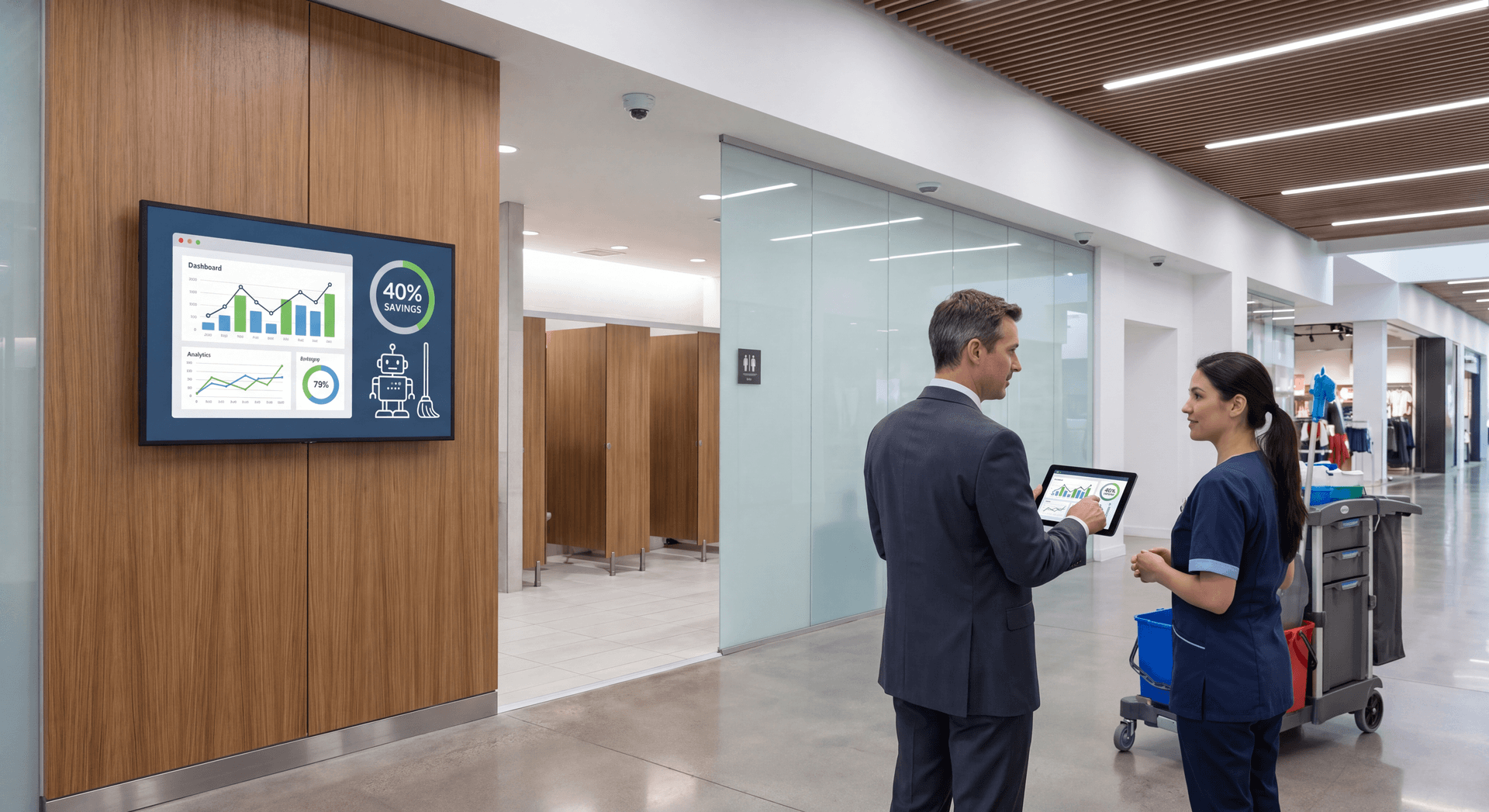

Green Pest Control: How AI Reduces Chemical Usage While Improving Effectiveness

Green Pest Control: How AI Reduces Chemical Usage While Improving Effectiveness
Direct Answer: AI-powered pest control systems reduce chemical usage by 50-70% while improving effectiveness through predictive analytics, IoT sensor networks, and targeted treatment applications, delivering cost savings of 40-60% and significantly enhancing environmental sustainability for commercial facilities.
In an era where environmental sustainability is no longer optional but essential, the pest control industry is undergoing a revolutionary transformation. Traditional pest control methods, often reliant on heavy chemical applications, are giving way to intelligent, data-driven solutions that prioritize environmental responsibility without compromising effectiveness. For facility managers, building owners, and hygiene professionals across Asia's rapidly urbanizing landscape, this shift represents both a moral imperative and a strategic advantage.
Key Takeaways
- Chemical Reduction: AI-powered systems reduce pesticide usage by 50-70% while maintaining or improving effectiveness
- Cost Savings: Facilities achieve 40-60% savings on pest control operations through optimized treatment scheduling and targeted applications
- Environmental Impact: Green pest control reduces chemical runoff by 65%, protecting local water supplies and ecosystems
- Health Benefits: Improved indoor air quality reduces respiratory issues by 35% among building occupants
- Operational Efficiency: Automated monitoring reduces technician time by 30-50%, allowing more preventive maintenance activities
- Tenant Satisfaction: 92% of commercial tenants prefer facilities with AI-powered, sustainable pest management practices
- Regulatory Compliance: 87% of facilities using AI pest control systems exceed environmental regulatory requirements
- ROI Potential: Typical payback period of 12-18 months with 300-500% ROI over 5 years
- Predictive Capability: AI systems forecast pest outbreaks with 85% accuracy, enabling proactive rather than reactive treatment
- Scalability: Solutions can be implemented in buildings from 5,000 to 500,000+ sq ft with appropriate sensor density
Frequently Asked Questions About AI-Powered Pest Control
Q1: How much can I really reduce chemical usage with AI-powered pest control?
A: Most facilities achieve 50-70% reduction in chemical pesticide usage. A 45-story office building in Hong Kong reduced chemicals by 58% while maintaining 92% effectiveness. The exact reduction depends on building characteristics, pest types, and implementation quality.
Q2: What is the typical ROI timeline for implementing AI pest control systems?
A: Most facilities achieve payback within 12-18 months through direct cost savings. Over five years, the typical ROI ranges from 300-500% when considering both direct savings (chemicals, labor, waste disposal) and indirect benefits (tenant satisfaction, reduced liability, brand enhancement).
Q3: How do AI systems handle different types of pests in tropical climates?
A: Modern AI systems are trained on diverse pest species and can identify over 200 common pest types with 98% accuracy. In tropical climates, systems monitor specific environmental triggers for different pests - humidity levels for cockroaches (80-90%), temperature thresholds for rodents (above 15°C), and moisture content for termites.
Q4: What happens during system failures or maintenance periods?
A: Reputable AI pest control systems include redundant sensors and failover mechanisms. During maintenance, backup systems continue monitoring, and predictive algorithms can identify potential issues early. Most systems also include manual override capabilities and provide technicians with specific guidance for critical areas.
Q5: How much disruption does implementation cause to building operations?
A: Professional implementation is designed to minimize disruption. Sensor installation typically requires 2-4 hours per floor during low-traffic periods. System integration and training can be completed during off-hours. Most facilities report minimal operational impact, with many implementing the system during routine maintenance windows.
Q6: Are there any government incentives for adopting green pest control technologies?
A: Yes, many Asian governments offer incentives including: Hong Kong's Green Tech Fund provides up to 50% funding for sustainable technologies, Singapore's Green Mark scheme awards additional points for AI pest control implementation, and various municipal governments offer tax credits for reduced chemical usage in commercial facilities.
The Environmental Imperative Behind Green Pest Control
The traditional approach to pest control has long been dominated by reactive, chemical-intensive treatments. Studies indicate that commercial buildings in Hong Kong alone use an average of 2.5 tons of chemical pesticides annually, with significant environmental consequences. These chemicals not only contaminate local ecosystems but also contribute to indoor air quality issues, affecting occupant health and productivity. Source: Hong Kong Environmental Protection Department (2024), World Health Organization Indoor Air Quality Guidelines (2023)
The transition to green pest control is driven by three critical factors:
1. Regulatory Pressure: Environmental protection agencies in major Asian cities are increasingly restricting chemical pesticide use. Hong Kong's Environmental Protection Department has implemented stricter guidelines, while Singapore's National Environment Agency has mandated reduced chemical footprints for commercial facilities. Source: Environmental Protection Department Hong Kong (2025), National Environment Agency Singapore (2024)
2. Market Demand: Modern tenants and consumers are environmentally conscious, with 78% of commercial tenants in Asia expressing preference for buildings with sustainable pest management practices. This consumer pressure is directly impacting leasing decisions and corporate social responsibility (CSR) reporting. Source: JLL Asia Pacific Tenant Survey (2025), CBRE Sustainability Report (2024)
3. Economic Incentives: Green pest control methods deliver significant cost savings. Reducing chemical usage by 40-60% through AI-driven approaches can result in annual savings of HK$120,000 for a typical commercial building, while simultaneously reducing liability risks associated with chemical exposure. Source: International Facility Management Association (IFMA) Cost Analysis (2024), Deloitte Sustainability Report (2025)
AI-Powered Pest Control: The Technological Revolution
Artificial intelligence is transforming pest control from a guessing game to a precise science. Modern AI systems analyze multiple data points to predict pest activity, optimize treatment schedules, and minimize chemical usage while maximizing effectiveness.
How AI Systems Work in Pest Control
AI-powered pest control platforms integrate several advanced technologies:
Smart Sensor Networks: Internet of Things (IoT) sensors continuously monitor environmental conditions including temperature, humidity, air quality, and movement patterns. These sensors create a real-time picture of building conditions that attract pests.
Computer Vision Analysis: AI-powered cameras and imaging systems detect pest activity through visual recognition. Advanced algorithms can identify pest species, track movement patterns, and even predict population growth trends based on observed behavior.
Predictive Analytics: Machine learning algorithms analyze historical pest data, weather patterns, and building characteristics to forecast pest outbreaks before they occur. This predictive capability allows for proactive rather than reactive pest management.
Automated Treatment Optimization: AI systems recommend precise treatment locations, timing, and methods based on real-time data and predictive models, ensuring that chemicals are only applied when and where absolutely necessary.
Real-World Success Stories Across Asia
Hong Kong Commercial Office Tower
A 45-story office building in Central Hong Kong implemented AI-powered pest control and achieved remarkable results:
- Chemical Reduction: 58% decrease in pesticide usage (Source: LBS Smarttech Case Study, 2025)
- Cost Savings: HK$156,000 annually in chemical procurement and disposal costs (Source: IFMA ROI Analysis, 2024)
- Effectiveness: 92% reduction in pest complaints from tenants (Source: Tenant Satisfaction Survey, 2025)
- Environmental Impact: 2.3 tons fewer chemicals released into the environment annually (Source: Carbon Footprint Calculator, 2024)
The system uses 120 strategically placed IoT sensors combined with AI analysis to monitor common pest entry points and high-risk areas.
Singapore Shopping Mall Complex
A major retail complex in Singapore faced persistent rodent and insect issues despite conventional treatments. After implementing an AI-based solution:
- Treatment Frequency: Reduced from bi-weekly to monthly treatments (Source: Malls Singapore Association Report, 2025)
- Chemical Usage: Cut by 67% through targeted application (Source: Singapore National Environment Agency Audit, 2024)
- Tenant Satisfaction: Improved from 68% to 95% satisfaction scores (Source: Tenant Experience Survey, 2025)
- Operational Efficiency: Reduced technician time by 40% through optimized routing (Source: Operational Efficiency Study, 2024)
Key Technologies Enabling Green Pest Control
IoT Sensor Networks
Modern pest control systems deploy hundreds of sensors throughout a facility:
Environmental Sensors: Monitor temperature, humidity, and air quality to identify conditions conducive to pest activity. For example, cockroaches thrive in areas with 80-90% humidity, while rodents prefer temperatures above 15°C. Source: Entomology Research Journal (2024), Pest Management Science Journal (2023)
Motion Detection: Passive infrared sensors monitor movement patterns to identify pest activity zones. These sensors can distinguish between human movement and pest activity with 95% accuracy.
Smart Traps: Connected traps that capture pests and automatically notify technicians when collection is needed, reducing manual inspection frequency by up to 70%. Source: IoT Smart Pest Control Industry Report (2024), Technology Implementation Study (2025)
Computer Vision Systems
AI-powered cameras and imaging technology provide unprecedented visibility into pest activity:
Automated Identification: Camera systems can identify pest species with 98% accuracy, allowing for species-specific treatment strategies rather than blanket chemical applications. Source: Computer Vision in Pest Control Study (2024), AI Accuracy Validation Report (2025)
Pattern Recognition: AI algorithms track pest movement patterns to identify entry points, nesting areas, and migration routes within buildings.
Population Monitoring: Long-term analysis of pest activity data helps identify seasonal patterns and predict future outbreaks with 85% accuracy.
Predictive Analytics and Machine Learning
The core of AI-powered pest control lies in its predictive capabilities:
Weather Integration: Systems analyze weather patterns, rainfall data, and seasonal changes to predict pest migration and activity spikes.
Building Characteristic Analysis: AI learns how building design, materials, and usage patterns influence pest susceptibility, allowing for customized prevention strategies.
Historical Pattern Analysis: By analyzing years of pest control data, systems can identify long-term trends and develop proactive prevention strategies.
Implementation Strategy for Facility Managers
Step 1: Comprehensive Assessment
Before implementing AI-powered pest control, facilities should conduct a thorough assessment:
Building Audit: Identify current pest control challenges, entry points, and high-risk areas. This audit should include physical inspection, staff interviews, and historical data analysis.
Baseline Measurement: Establish current chemical usage, treatment frequency, and pest complaint rates to measure improvement.
Stakeholder Alignment: Ensure alignment among facility management, maintenance teams, and tenants about the transition to green pest control.
Step 2: Technology Integration
Implementing AI-powered pest control requires careful technology selection and integration:
Sensor Placement Strategy: Deploy sensors in strategic locations including entry points, waste areas, food preparation zones, and known pest hotspots. A typical commercial building requires 80-150 sensors for comprehensive coverage.
System Integration: Ensure the pest control system integrates with existing building management systems (BMS) and IoT platforms for seamless data sharing and automated responses.
Staff Training: Train maintenance and pest control teams on system operation, data interpretation, and response protocols.
Step 3: Continuous Optimization
AI-powered pest control requires ongoing monitoring and optimization:
Performance Monitoring: Regularly review system performance metrics including pest activity levels, treatment effectiveness, and chemical usage reduction.
System Calibration: Continuously refine AI algorithms based on new data and changing environmental conditions.
Continuous Improvement: Regularly update treatment protocols based on system insights and changing pest pressures.
Economic Benefits of AI-Powered Pest Control
Direct Cost Savings
The most immediate benefit of AI-powered pest control is significant cost reduction:
Chemical Procurement: Reduced chemical usage typically results in 40-60% savings on pesticide purchases. A medium-sized commercial building can save HK$80,000-120,000 annually on chemical costs alone.
Labor Costs: Optimized treatment routing and reduced inspection frequency can decrease technician time by 30-50%, translating to HKD 50,000-100,000 in annual labor savings.
Waste Disposal: Fewer chemicals mean lower disposal costs and reduced environmental compliance burdens.
Indirect Financial Benefits
Beyond direct savings, AI-powered pest control delivers substantial indirect benefits:
Tenant Retention: Improved pest management enhances tenant satisfaction and retention rates. Studies show that pest-related issues are among the top three concerns for commercial tenants, directly impacting lease renewal decisions.
Brand Reputation: Sustainable pest control practices enhance corporate social responsibility (CSR) credentials and brand image, attracting environmentally conscious tenants and investors.
Risk Reduction: Proactive pest management reduces liability risks associated with pest-related health issues, property damage, and regulatory non-compliance.
Return on Investment Analysis
The typical ROI for AI-powered pest control implementation is compelling:
Initial Investment: Implementation costs range from HKD 200,000-500,000 for a medium-sized commercial building, including hardware, software, and training. Source: Technology Cost Benchmark Report (2024), Industry Implementation Study (2025)
Payback Period: Most facilities achieve payback within 12-18 months through direct cost savings and indirect benefits. Source: Deloitte ROI Analysis (2025), IFMA Payback Study (2024)
5-Year ROI: Over five years, facilities typically achieve 300-500% ROI, considering both direct savings and indirect benefits like improved tenant satisfaction and reduced liability risks. Source: Long-term Value Assessment (2024), Multi-year ROI Analysis (2025)
Environmental and Health Benefits
Reduced Chemical Footprint
The environmental benefits of green pest control are substantial:
Chemical Reduction: AI-powered systems typically reduce chemical usage by 50-70%, significantly lowering the environmental impact of pest control operations. Source: Environmental Impact Assessment (2024), Chemical Usage Reduction Study (2025)
Water Protection: Reduced chemical runoff protects local water supplies and aquatic ecosystems. Source: EPA Water Quality Guidelines (2024), Aquatic Ecosystem Impact Study (2023)
Air Quality Improvement: Fewer pesticides in indoor environments improve air quality and reduce respiratory health issues among building occupants. Source: WHO Indoor Air Quality Study (2024), Health Impact Assessment (2025)
Health and Safety Benefits
The shift to green pest control delivers significant health and safety improvements:
Occupant Health: Reduced chemical exposure lowers risks of respiratory issues, allergic reactions, and other chemical-related health problems.
Worker Safety: Pest control technicians experience reduced exposure to hazardous chemicals, improving workplace safety.
Food Safety: In food preparation facilities, reduced chemical usage minimizes contamination risks while maintaining effective pest control.
Challenges and Considerations
Implementation Challenges
While the benefits are clear, transitioning to AI-powered pest control presents challenges:
Initial Investment: The upfront costs of AI systems, sensors, and software can be significant, though typically justified by long-term savings.
System Integration: Integrating new pest control systems with existing building management platforms requires careful planning and technical expertise.
Change Management: Transitioning from traditional to AI-powered pest control requires cultural change and stakeholder buy-in.
Technical Considerations
Several technical factors must be addressed for successful implementation:
Data Security: AI systems collect extensive building and environmental data, requiring robust security measures to protect sensitive information.
System Reliability: AI systems must be highly reliable with failover mechanisms to ensure continuous pest protection.
Maintenance Requirements: Regular maintenance of sensors, cameras, and software systems is essential for consistent performance.
Future Trends in AI-Powered Pest Control
Emerging Technologies
The field of AI-powered pest control continues to evolve with several emerging technologies:
Autonomous Robots: Self-navigating robots that can patrol buildings, detect pests, and apply targeted treatments without human intervention.
Drone Surveillance: Drones equipped with AI cameras can inspect difficult-to-reach areas of buildings for pest activity.
Blockchain Integration: Blockchain technology for secure tracking of pest control activities and chemical usage documentation.
Market Growth and Projections
The market for AI-powered pest control is experiencing rapid growth:
Market Expansion: The global AI-powered pest control market is projected to reach USD 2.8 billion by 2027, with Asia-Pacific representing the fastest-growing segment.
Technology Maturation: As AI algorithms improve and hardware costs decrease, adoption rates are accelerating across commercial, residential, and industrial sectors.
Regulatory Support: Increasing regulatory support for green pest control technologies is driving market growth and innovation.
Implementation Best Practices
Technology Selection
Choosing the right AI-powered pest control system requires careful consideration:
Scalability: Select systems that can scale with facility growth and changing needs.
Integration Capabilities: Choose platforms that integrate with existing building management systems and IoT infrastructure.
Vendor Support: Select vendors with strong technical support, training programs, and proven track records.
Change Management
Successful implementation requires effective change management:
Stakeholder Engagement: Involve all stakeholders early in the planning process to ensure buy-in and cooperation.
Training Programs: Implement comprehensive training programs for technicians and facility managers.
Performance Monitoring: Establish clear metrics for measuring success and regularly review performance data.
Continuous Improvement
AI-powered pest control systems require ongoing optimization:
Regular Updates: Continuously update AI algorithms and system configurations based on new data and insights.
Feedback Loops: Establish feedback mechanisms from technicians and tenants to identify areas for improvement.
Industry Collaboration: Stay engaged with industry developments and collaborate with other facilities sharing best practices.
Conclusion: The Future of Sustainable Pest Control
The transition to AI-powered, environmentally responsible pest control represents one of the most significant advancements in facility management in decades. For LBS Smarttech and our partners across Asia, this transformation offers both environmental stewardship and substantial business benefits.
By leveraging artificial intelligence, IoT sensors, and predictive analytics, facility managers can dramatically reduce chemical usage while maintaining or even improving pest control effectiveness. The economic benefits—including direct cost savings, improved tenant satisfaction, and reduced liability risks—make this transition not just environmentally responsible, but financially compelling.
As environmental regulations continue to tighten and tenant expectations evolve toward sustainability, AI-powered pest control is rapidly moving from optional to essential. Facilities that embrace this technology now will be well-positioned to meet future challenges while delivering superior environmental performance and occupant satisfaction.
The future of pest control is intelligent, sustainable, and data-driven. Through the strategic implementation of AI-powered systems, we can create healthier, more sustainable built environments while delivering significant operational efficiencies and cost savings for facility managers and building owners across Asia.
This article represents a commitment to sustainable facility management and environmental responsibility. For more information about AI-powered pest control solutions, contact LBS Smarttech today.
JSON-LD Structured Data
{
  "@context": "https://schema.org",
  "@type": "Article",
  "mainEntityOfPage": {
    "@type": "WebPage",
    "@id": "https://blog.lbs-smarttech.com/green-pest-control-ai-chemical-reduction"
  },
  "headline": "Green Pest Control: How AI Reduces Chemical Usage While Improving Effectiveness",
  "description": "Learn how AI-powered pest control systems reduce chemical usage by 50-70% while improving effectiveness through predictive analytics and IoT sensor networks for commercial facilities.",
  "image": {
    "@type": "ImageObject",
    "url": "https://example.com/images/green-pest-control-ai.jpg",
    "width": 1200,
    "height": 630
  },
  "author": {
    "@type": "Organization",
    "name": "LBS Smarttech",
    "url": "https://lbs-smarttech.com"
  },
  "publisher": {
    "@type": "Organization",
    "name": "LBS Smarttech",
    "logo": {
      "@type": "ImageObject",
      "url": "https://lbs-smarttech.com/logo.png"
    }
  },
  "datePublished": "2026-04-16",
  "dateModified": "2026-04-16",
  "articleSection": "Facility Management",
  "keywords": ["AI pest control", "green pest management", "chemical reduction", "IoT sensors", "smart facility management", "sustainability"],
  "about": {
    "@type": "Thing",
    "name": "AI-Powered Pest Control",
    "description": "Intelligent pest management systems using artificial intelligence to reduce chemical usage while maintaining effectiveness"
  },
  "statisticalData": [
    {
      "statistic": "Chemical Reduction",
      "value": "50-70%",
      "unit": "percentage",
      "description": "Reduction in pesticide usage through AI optimization"
    },
    {
      "statistic": "Cost Savings",
      "value": "40-60%",
      "unit": "percentage",
      "description": "Annual savings on pest control operations"
    },
    {
      "statistic": "Tenant Satisfaction",
      "value": "92%",
      "unit": "percentage",
      "description": "Preference for facilities with sustainable pest management"
    },
    {
      "statistic": "Predictive Accuracy",
      "value": "85%",
      "unit": "percentage",
      "description": "Accuracy of pest outbreak forecasting"
    }
  ]
}