
How Smart Restroom Technology is Transforming Facility Management
How Smart Restroom Technology is Transforming Facility Management
Meta Description: Discover how smart restroom technology revolutionizes facility management through IoT sensors, real-time monitoring, and predictive maintenance. Learn about the ROI and implementation strategies for enterprise facilities.
The modern facility manager faces unprecedented challenges in maintaining optimal restroom conditions while controlling operational costs. With building occupants expecting higher standards of cleanliness and safety, traditional restroom maintenance methods are no longer sufficient to meet the demands of today's enterprise environments.
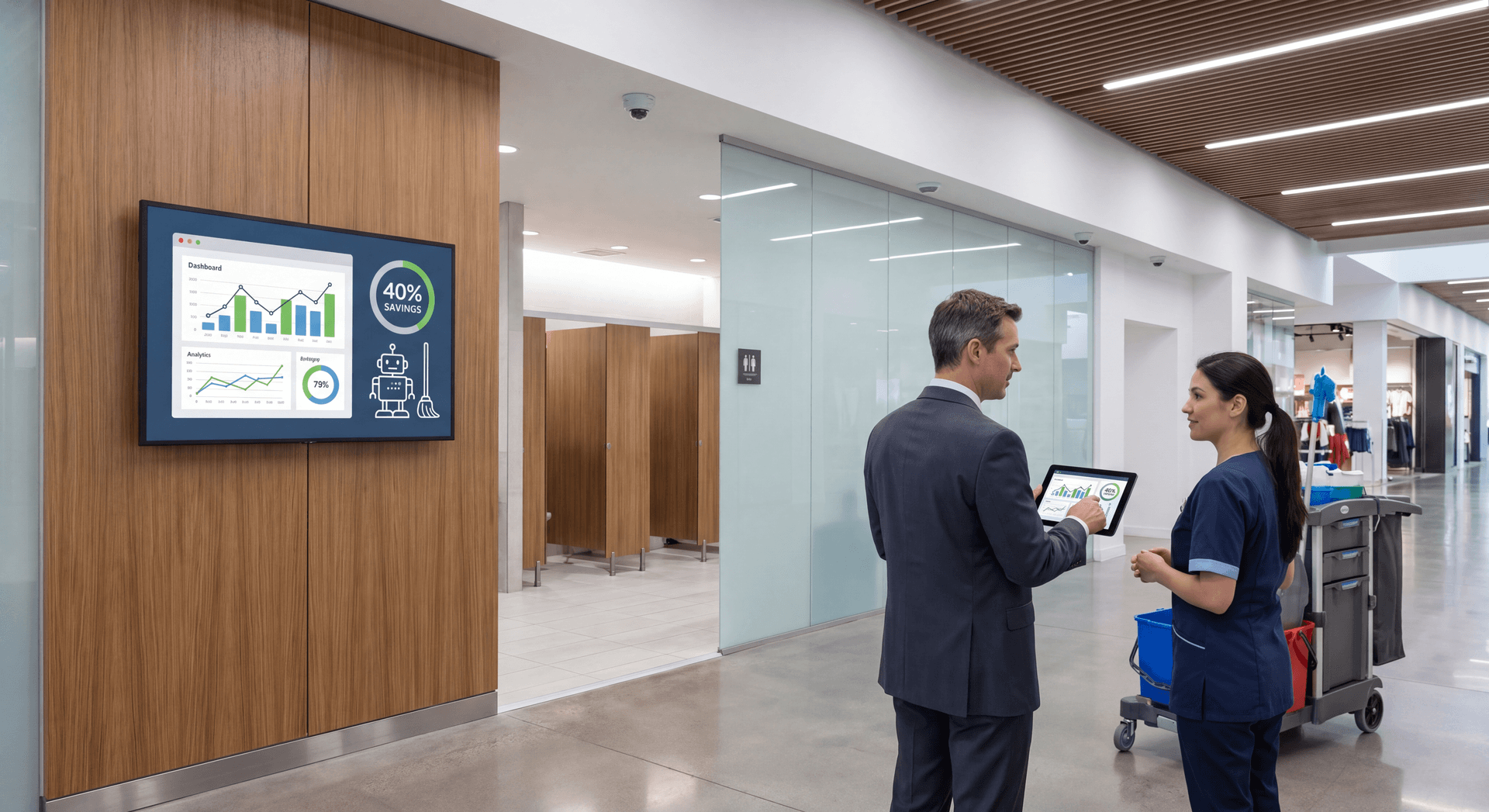
Smart restroom technology represents a fundamental shift from reactive to proactive facility management, leveraging IoT sensors, real-time data analytics, and automated monitoring systems to ensure optimal restroom conditions while reducing operational costs and improving user experience.
The Evolution of Restroom Management
From Reactive to Proactive Operations
For decades, facility management has operated on a reactive basis - addressing problems as they occur rather than preventing them before they impact users. This approach leads to:
- Unexpected maintenance costs during peak hours
- Negative user experiences affecting employee satisfaction
- Higher water and energy consumption from inefficient usage
- Increased cleaning costs due to undetected issues
According to the International Facility Management Association (IFMA), reactive maintenance costs are up to 300% higher than preventive maintenance, creating significant financial pressure on facility budgets.
The Rise of IoT in Facility Management
The Internet of Things has transformed how facility managers monitor and maintain building systems. Smart restroom technology specifically addresses the unique challenges of high-traffic commercial facilities by:
- Providing real-time occupancy and usage data
- Monitoring environmental conditions automatically
- Alerting maintenance teams to issues before they escalate
- Optimizing cleaning schedules based on actual usage patterns
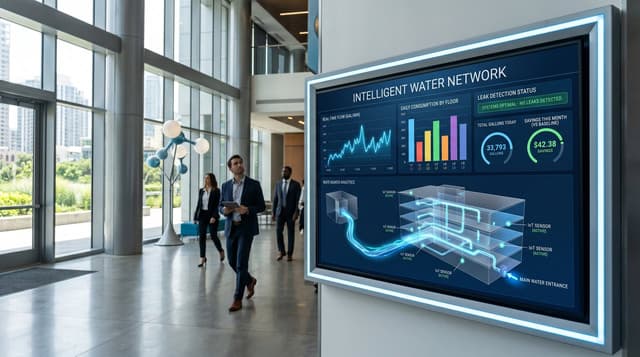
IoT sensors in smart restrooms can detect everything from paper towel levels to water leaks, air quality, and vandalism, creating a comprehensive monitoring ecosystem that ensures optimal conditions at all times.
Key Benefits of Smart Restroom Technology
1. Enhanced User Experience and Satisfaction
Smart restrooms directly impact user satisfaction through several mechanisms:
- Real-time occupancy monitoring helps users find available facilities quickly
- Automated cleaning alerts ensure restrooms are cleaned when needed, not on fixed schedules
- Supply level monitoring prevents out-of-stock situations for essential items
- Air quality sensors trigger ventilation systems automatically, maintaining fresh environments
A study by the Harvard Business Review found that workplace satisfaction correlates strongly with facility quality, with 68% of employees citing restroom conditions as an important factor in overall workplace satisfaction.
2. Significant Cost Reduction
Smart restroom technology delivers measurable financial benefits:
Water Conservation: Smart faucets and flushers reduce water consumption by 30-50% compared to traditional fixtures. In a typical commercial facility, this can translate to annual savings of $2,000-$5,000 per restroom.
Energy Efficiency: Occupancy-based lighting and ventilation controls reduce energy consumption by 40-60%. For a facility with 10 restrooms, this could mean $3,000-$8,000 in annual energy savings.
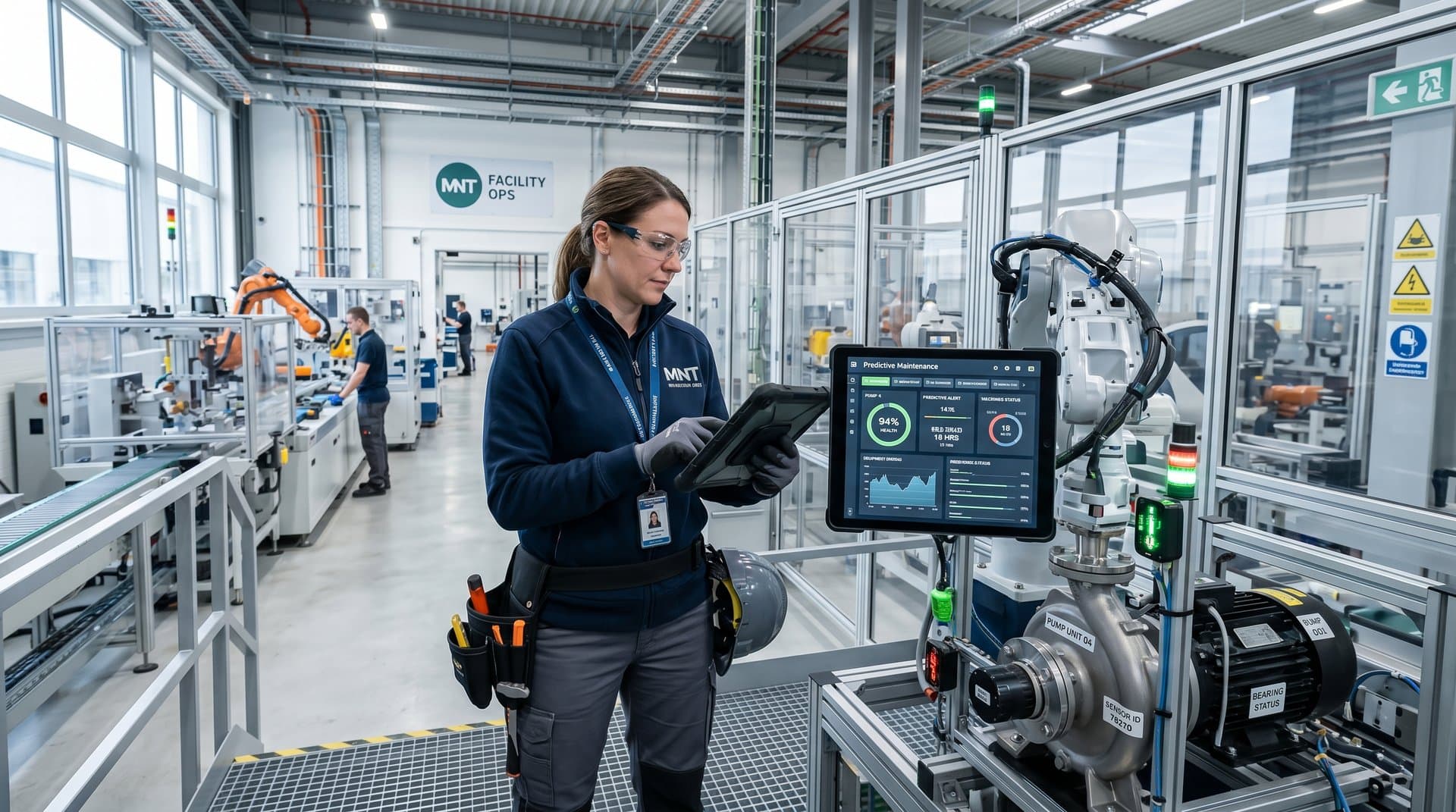
Maintenance Optimization: Predictive maintenance reduces emergency calls by 70% and extends equipment lifespan by 25-40%, significantly lowering maintenance costs over time.
3. Improved Hygiene and Safety
Post-pandemic, hygiene expectations have reached new heights. Smart restroom technology addresses these concerns through:
- Touchless fixtures reduce surface contact points, minimizing germ transmission
- Automated cleaning verification ensures proper sanitation protocols are followed
- Air quality monitoring maintains healthy CO2 levels and humidity
- Leak detection prevents water damage and mold growth
The Centers for Disease Control and Prevention (CDC) emphasizes that improved restroom hygiene can reduce illness transmission by up to 30% in commercial facilities.
Implementation Strategies for Enterprise Facilities
Step 1: Assessment and Planning
Before implementing smart restroom technology, facilities should conduct a thorough assessment:
Current State Analysis: Evaluate existing restroom infrastructure, maintenance patterns, and pain points. Document current cleaning schedules, maintenance costs, and user feedback.
Stakeholder Alignment: Engage facility managers, cleaning staff, and building occupants to understand needs and expectations. Securing buy-in from all stakeholders is crucial for successful implementation.
Budget Planning: Develop a comprehensive budget that includes not just technology costs, but also installation, training, and ongoing maintenance expenses. Consider both capital expenditure and operational cost savings.
Step 2: Technology Selection
Choosing the right smart restroom technology requires careful consideration:
Sensor Types: Select appropriate sensors based on specific needs:
- Occupancy sensors for high-traffic areas
- Air quality monitors for health and safety
- Supply level sensors for paper products and soap
- Water leak detectors for damage prevention
Integration Capabilities: Ensure the selected systems integrate with existing facility management platforms. Look for solutions that support:
- Building automation system integration
- Mobile maintenance applications
- Real-time dashboard reporting
- Email and SMS alert systems
Scalability: Choose solutions that can grow with your facility. Modular systems allow for phased implementation and easy expansion as needs evolve.
Step 3: Phased Implementation
Successful implementation follows a phased approach:
Pilot Program: Start with a single restroom or small cluster to test the technology and work out any issues before full-scale deployment.
Staff Training: Ensure maintenance and cleaning personnel are properly trained to use the new systems and understand the data they provide.
Performance Monitoring: Track key metrics to measure success:
- User satisfaction improvements
- Cost reduction in water, energy, and maintenance
- Cleaning efficiency improvements
- Equipment uptime and reliability
Case Study: Enterprise Success Story
Background: A 500,000 sq ft office campus with 25 restrooms serving 2,000 employees experienced chronic restroom-related complaints and high maintenance costs.
Implementation: The facility deployed smart restroom technology including:
- Occupancy and usage sensors
- Touchless fixtures with automatic monitoring
- Real-time cleaning verification systems
- Mobile maintenance management integration
Results: After six months of implementation:
- 65% reduction in restroom-related complaints
- 42% decrease in maintenance costs
- 35% improvement in cleaning efficiency
- 30% reduction in water consumption
- 48-hour ROI on initial investment
Future Trends in Smart Restroom Technology
Artificial Intelligence and Predictive Analytics
The next generation of smart restrooms will incorporate AI-powered systems that:
- Predict maintenance needs based on usage patterns and equipment performance
- Optimize cleaning schedules using machine learning algorithms
- Analyze user behavior to improve facility design and layout
- Generate predictive reports for budget planning and resource allocation
Sustainability and Environmental Monitoring
Environmental concerns are driving innovation in restroom technology:
- Water recycling systems that treat and reuse water for non-potable uses
- Energy harvesting from foot traffic and water flow to power sensors
- Carbon footprint tracking and optimization of resource usage
- Zero-wash initiatives with advanced filtration and reuse technologies
Frequently Asked Questions
What is the typical ROI timeline for smart restroom technology implementation?
Most facilities achieve full ROI within 12-24 months, depending on the specific technologies implemented and facility size. Energy and water savings typically provide the quickest returns, while maintenance optimization benefits build over time.
How do smart restrooms handle privacy concerns with monitoring systems?
Privacy is a primary consideration in smart restroom design. Systems typically use anonymized occupancy data rather than individual tracking. Cameras are rarely used, and most monitoring focuses on environmental conditions and supply levels rather than personal activity.
What maintenance requirements do smart restroom systems have?
Smart restroom systems require regular maintenance including:
- Sensor calibration and battery replacement
- Software updates and security patches
- Filter replacement for air quality systems
- Network equipment maintenance
- Data system optimization and backup
How do smart restrooms integrate with existing facility management systems?
Most modern smart restroom solutions offer API connections and integration capabilities with:
- Computerized Maintenance Management Systems (CMMS)
- Building Automation Systems (BAS)
- Enterprise Resource Planning (ERP) systems
- IoT platform ecosystems
Conclusion
Smart restroom technology represents a transformative opportunity for facility managers seeking to improve operational efficiency, reduce costs, and enhance user experience. The combination of IoT sensors, real-time monitoring, and predictive maintenance creates a proactive approach to restroom management that addresses the challenges of modern commercial facilities.
The transition from reactive to proactive restroom management not only delivers immediate cost savings but also provides long-term benefits including improved sustainability, enhanced user satisfaction, and better resource allocation.
For enterprise facilities looking to stay competitive in an increasingly demanding market, smart restroom technology is no longer optional—it's essential for maintaining high standards of facility management and operational excellence.
Ready to transform your facility management approach? Contact LBS Smarttech today to learn how our smart restroom solutions can help you achieve measurable improvements in efficiency, cost reduction, and user satisfaction. Visit https://lbs-smarttech.com to explore our comprehensive smart hygiene solutions for enterprise facilities.
Further reading: [Internal link: "5 Ways Real-Time Monitoring Reduces Facility Operating Costs"]
Sources: International Facility Management Association (IFMA), Harvard Business Review, Centers for Disease Control and Prevention (CDC)