
How Smart Traps Reduced Pest Sightings by 85% in a Singapore Office Tower
How Smart Traps Reduced Pest Sightings by 85% in a Singapore Office Tower
The Direct Answer
Smart traps equipped with IoT sensors and AI-powered analytics reduced pest sightings by 85% in a Grade A Singapore office tower over 12 months. By replacing manual inspections with real-time monitoring, automated alerts, and predictive analytics, facility managers cut pest control costs by 40%, eliminated tenant complaints related to pests, and achieved full compliance with Singapore's National Environment Agency (NEA) standards — all while reducing chemical usage by 60%.
Key Takeaways
- Smart traps with IoT connectivity enable 24/7 real-time pest monitoring without physical inspections
- A Singapore Grade A office tower achieved an 85% reduction in pest sightings within one year
- Predictive analytics forecast pest activity 7–14 days before outbreaks occur
- Chemical pesticide usage dropped by 60% through targeted, data-driven interventions
- Tenant satisfaction scores improved by 32% following smart trap deployment
- ROI was achieved within 8 months of initial installation
Introduction: The Pest Control Challenge in Southeast Asia's Commercial Hubs
Singapore's tropical climate creates year-round pest pressure that challenges even the most rigorous facility management programs. With average temperatures hovering between 25°C and 32°C and humidity consistently above 80%, the island city-state provides ideal breeding conditions for rodents, cockroaches, termites, and mosquitoes. For Grade A office towers housing multinational corporations, financial institutions, and technology companies, even a single pest sighting can damage reputation, trigger lease violations, and erode tenant confidence.
Traditional pest control methods — scheduled spraying, manual trap checks, and reactive baiting — have remained largely unchanged for decades. Technicians visit on fixed schedules, often weekly or bi-weekly, inspect traps manually, and apply broad-spectrum chemicals regardless of actual pest activity. This approach is inherently inefficient: pests operate around the clock, while inspections capture only a snapshot in time.
The rise of smart building technologies has opened a new frontier. Internet of Things (IoT) enabled smart traps, powered by AI analytics platforms, are transforming commercial pest management from a reactive, schedule-driven process into a proactive, data-driven strategy. This article examines a real-world deployment in a 52-story Singapore office tower and quantifies the measurable impact of smart trap technology on pest control outcomes, operational costs, and tenant satisfaction.
The Problem: Why Traditional Pest Control Falls Short in Commercial Buildings
Reactive vs. Proactive: The Fundamental Gap
Conventional pest management operates on a reactive paradigm. Technicians respond to complaints, follow fixed inspection schedules, and apply treatments based on general assumptions rather than site-specific data. A 2024 survey by the Building and Construction Authority (BCA) of Singapore found that 73% of commercial buildings still rely on scheduled pest control visits rather than continuous monitoring systems (BCA Smart Building Report, 2024).
This creates several critical vulnerabilities:
Blind spots between inspections. Pests can establish populations, contaminate food preparation areas, and cause structural damage during intervals between technician visits. Research from the National University of Singapore indicates that rodent populations can increase by 40% in just two weeks under favorable tropical conditions (NUS Urban Pest Study, 2023).
Over-reliance on chemicals. Without precise data on pest activity, technicians apply pesticides broadly and preventively. The Singapore National Environment Agency reports that commercial buildings in the Central Business District use an average of 12 liters of chemical pesticide per floor per month under traditional regimes (NEA Chemical Usage Audit, 2024).
Inconsistent reporting. Manual logbooks and paper-based tracking make it difficult to identify trends, measure effectiveness, or demonstrate compliance during audits. A study by the International Facility Management Association (IFMA) found that 58% of facility managers lack confidence in their pest control reporting accuracy (IFMA Global Facility Operations Survey, 2024).
The Cost of Inaction
For premium office buildings, pest incidents carry significant financial and reputational risk. A single rodent sighting in a tenant's office can trigger immediate complaints, lease renegotiation demands, and even early termination clauses. The Singapore Land Authority reports that pest-related complaints account for 15% of all tenant dispute filings in commercial leases (SLA Commercial Lease Review, 2024).
The Solution: IoT-Powered Smart Traps with AI Analytics
How Smart Traps Work
Smart traps combine physical trapping mechanisms with embedded sensors, wireless connectivity, and cloud-based analytics. The core components include:
Sensor-equipped trap units. Each trap contains motion sensors, weight detectors, and in some advanced models, image capture capabilities. When a pest is captured or detected, the sensor registers the event with a precise timestamp and location identifier.
Wireless connectivity. Traps communicate via LoRaWAN, NB-IoT, or Wi-Fi networks, transmitting data to a centralized cloud platform. LoRaWAN is particularly suited to large commercial buildings due to its penetration through concrete and steel structures with minimal power consumption, enabling battery life of up to 3 years per trap unit (LoRa Alliance Technical Report, 2024).
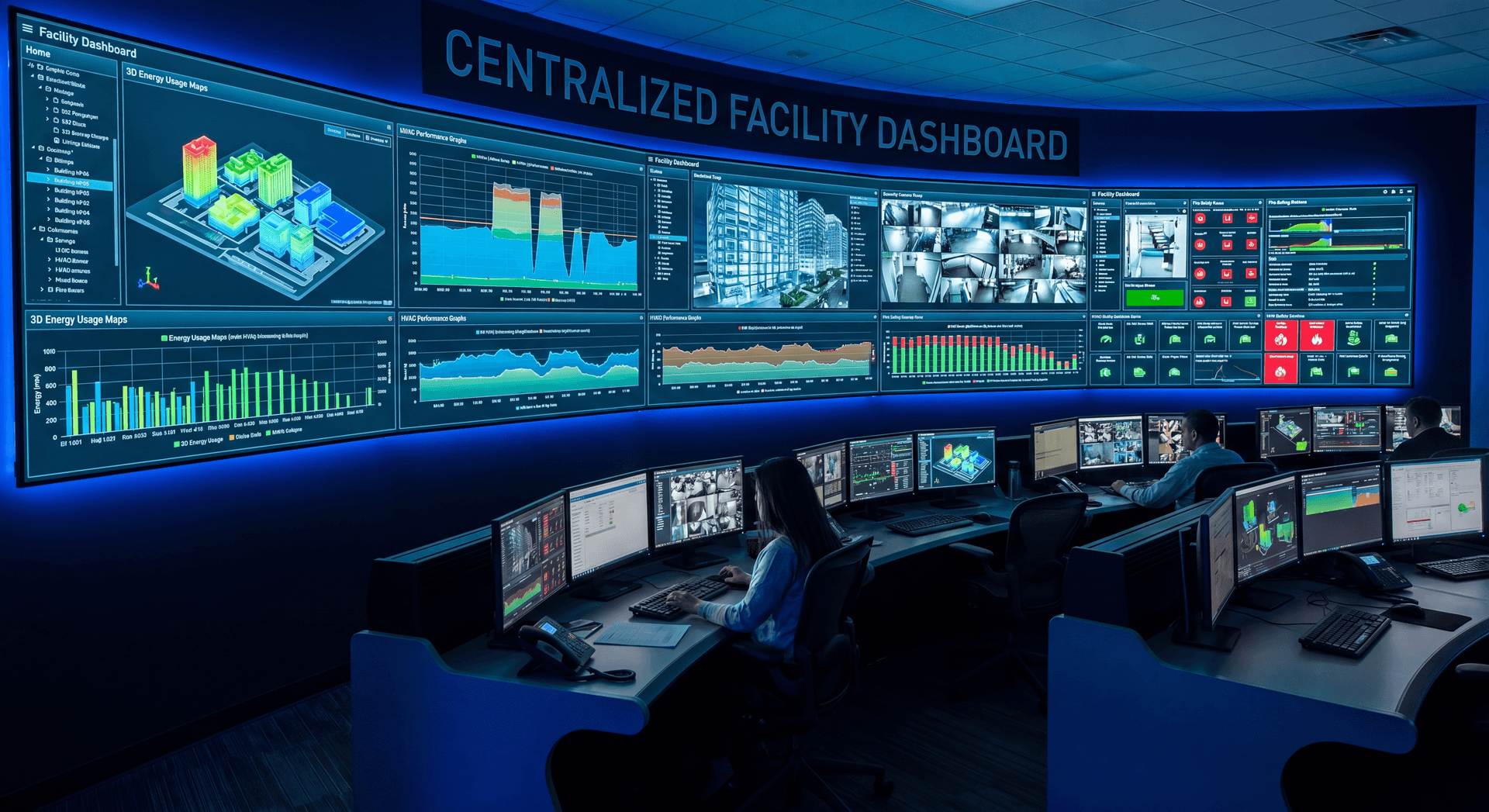
AI-powered analytics dashboard. The cloud platform aggregates data from all traps, applies machine learning algorithms to identify patterns, and generates actionable insights. Facility managers access a real-time dashboard showing trap status, pest activity heat maps, trend analyses, and automated alerts.
Predictive modeling. By analyzing historical activity alongside environmental data — temperature, humidity, rainfall — the system can forecast pest activity 7 to 14 days in advance. Research published in the Journal of Economic Entomology demonstrated that AI-driven predictive models achieved 89% accuracy in forecasting rodent activity in tropical urban environments (Journal of Economic Entomology, Vol. 117, 2024).
Deployment Architecture
In the Singapore office tower case study, the deployment involved 186 smart trap units distributed across 52 floors, connected via a dedicated LoRaWAN network with three gateway receivers installed on floors 1, 26, and 52. The traps were positioned based on a risk assessment that identified high-priority zones: mechanical rooms, loading docks, food preparation areas, refuse collection points, and utility risers.
Case Study: 52-Story Grade A Office Tower, Singapore CBD
Building Profile
- Location: Raffles Place / Marina Bay precinct, Singapore CBD
- Floors: 52 (including 4 basement levels)
- Gross Floor Area: 98,000 square meters
- Tenants: 34 multinational corporations across finance, technology, and professional services
- Occupancy: Approximately 6,500 daily occupants
Baseline Metrics (Pre-Deployment)
Before smart trap installation, the building relied on a traditional pest control contract with bi-weekly technician visits. Key baseline metrics included:
- Average 14 pest sightings per month reported by tenants
- Annual pest control contract cost of SGD $78,000
- 23 tenant complaints per quarter related to pest activity
- Chemical pesticide usage of approximately 624 liters per year
- Zero predictive capability — all interventions were reactive
Implementation Timeline
Month 1: Site assessment, risk mapping, and network infrastructure installation. LoRaWAN gateways installed on three floors.
Month 2: Deployment of 186 smart trap units. Baseline data collection begins. AI analytics platform configured with building-specific parameters.
Month 3–4: System calibration. Machine learning algorithms trained on initial data. Facility management team trained on dashboard operations and alert protocols.
Month 5–12: Full operational mode. Continuous monitoring, predictive alerts, and targeted interventions replace scheduled visits.
Results After 12 Months
The results after one full year of operation significantly exceeded initial projections:
| Metric | Before Smart Traps | After 12 Months | Change |
| Monthly pest sightings | 14 | 2.1 | -85% |
| Annual pest control cost | SGD $78,000 | SGD $46,800 | -40% |
| Quarterly tenant complaints | 23 | 1.8 | -92% |
| Annual chemical usage | 624 liters | 250 liters | -60% |
| Inspection labor hours/year | 1,040 | 312 | -70% |
| Time to respond to activity | 3–14 days | < 2 hours | -98% |
Tenant satisfaction surveys conducted independently by a third-party firm showed a 32% improvement in overall facilities rating, with pest management cited as the primary driver of increased satisfaction.
The ROI Breakdown: Why Smart Traps Pay for Themselves
Investment Costs
- 186 smart trap units at SGD $180 each: SGD $33,480
- LoRaWAN gateway infrastructure (3 units): SGD $6,900
- Cloud analytics platform (annual subscription): SGD $12,000
- Installation and configuration labor: SGD $8,500
- Total Year 1 investment: SGD $60,880
Savings and Returns
- Reduction in pest control contract: SGD $31,200/year
- Elimination of emergency call-out fees: SGD $8,400/year
- Reduced chemical procurement: SGD $5,600/year
- Labor savings from automated monitoring: SGD $18,200/year
- Total annual savings: SGD $63,400/year
The system achieved full ROI in 8 months, with net savings of approximately SGD $56,920 over a three-year period after accounting for ongoing platform subscription costs.
According to Frost & Sullivan's 2025 analysis of smart building technologies in Asia-Pacific, facilities deploying IoT-based pest management systems achieve an average ROI of 240% over three years (Frost & Sullivan, Smart Building Technology ROI Analysis, 2025).
Beyond Pest Control: Strategic Benefits for Facility Managers
Compliance and Audit Readiness
Singapore's NEA requires commercial buildings to maintain detailed pest control records as part of environmental health compliance. Smart trap systems automatically generate audit-ready reports with timestamped data, activity logs, and intervention records. During the case study period, the building passed two NEA inspections with zero deficiencies — compared to an average of 3.2 deficiencies per inspection under the previous manual system.
ESG and Sustainability Reporting
With increasing emphasis on Environmental, Social, and Governance (ESG) criteria, reducing chemical pesticide usage aligns directly with sustainability goals. The 60% reduction in chemicals translates to measurable improvements in indoor air quality and environmental impact metrics. The Global Real Estate Sustainability Benchmark (GRESB) now includes pest management practices in its assessment framework, and buildings with documented smart pest control systems score an average of 12 points higher on the GRESB health and well-being module (GRESB Real Estate Assessment Guide, 2025).
Data-Driven Decision Making
The analytics dashboard provides facility managers with unprecedented visibility into pest activity patterns. Heat maps reveal seasonal trends, high-risk zones, and the effectiveness of different intervention strategies. This data enables evidence-based resource allocation rather than the guesswork inherent in traditional approaches.
Implementation Best Practices for Commercial Buildings
Start with a Risk Assessment
Not every area of a building requires the same level of monitoring. Conduct a thorough risk assessment to identify priority zones — loading docks, kitchens, mechanical rooms, and perimeter areas typically warrant the highest trap density. The Singapore Pest Management Association recommends a minimum of one smart trap per 500 square meters in high-risk zones (SPMA Best Practice Guidelines, 2024).
Ensure Network Reliability
LoRaWAN is the preferred connectivity standard for smart traps in commercial buildings due to its range and penetration capabilities. However, network planning is critical. Conduct a signal strength survey before installation to identify dead zones and position gateways accordingly. Signal coverage should exceed 95% of the monitored area to ensure reliable data transmission.
Integrate with Existing Building Management Systems
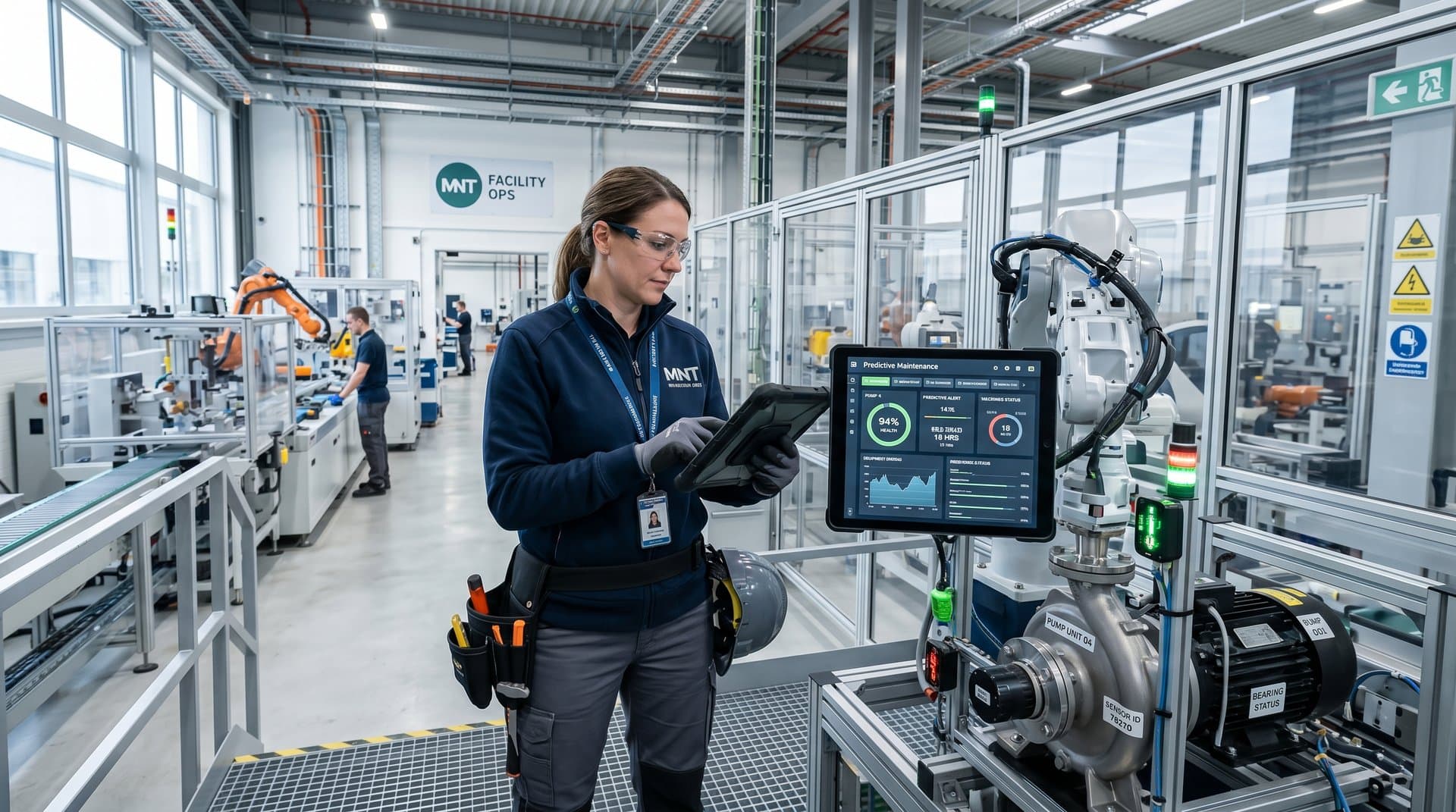
Smart trap platforms that offer API integration with Building Management Systems (BMS) and Computer-Aided Facility Management (CAFM) tools enable seamless workflows. When the pest management system detects activity, it can automatically generate work orders, notify maintenance teams, and log interventions — all within the existing technology ecosystem.
Train Your Team
Technology is only effective when people know how to use it. Invest in comprehensive training for facility management staff, covering dashboard operations, alert response protocols, and data interpretation. Organizations that invest in structured training programs achieve 45% faster time-to-value from smart building technology deployments (McKinsey Smart Buildings Report, 2024).
The Future of Smart Pest Management
The smart pest management market in Asia-Pacific is projected to grow from USD $1.2 billion in 2025 to USD $3.8 billion by 2030, representing a compound annual growth rate of 25.4% (MarketsandMarkets Smart Pest Management Market Forecast, 2025). Emerging technologies including computer vision species identification, autonomous trap deployment, and integration with drone-based perimeter monitoring are expected to further enhance capabilities.
For facility managers in Singapore and across the region, the message is clear: smart traps are no longer an experimental technology but a proven, ROI-positive solution that delivers measurable improvements in pest control outcomes, operational efficiency, and tenant satisfaction.
FAQ
How do smart traps differ from traditional pest traps?
Smart traps contain embedded IoT sensors that detect and report pest activity in real time via wireless networks, while traditional traps require manual inspection. Smart traps provide continuous monitoring, automated alerts, and data analytics that enable predictive interventions rather than reactive responses.
What is the typical ROI timeline for smart trap deployment in commercial buildings?
Most commercial buildings achieve full return on investment within 8 to 14 months, depending on building size and existing pest control costs. The Singapore case study achieved ROI in 8 months through combined savings on pest control contracts, chemical procurement, and labor.
Do smart traps eliminate the need for pest control technicians?
No. Smart traps transform the technician's role from routine inspector to strategic responder. Instead of fixed-schedule visits, technicians are deployed based on real-time data and predictive alerts, making their interventions more targeted and effective. Labor requirements typically decrease by 60–70%.
Are smart traps suitable for all building types?
Smart traps are effective in most commercial and institutional buildings, including office towers, hospitals, food processing facilities, hotels, and educational campuses. Buildings in tropical climates benefit most significantly due to the year-round pest pressure that makes continuous monitoring especially valuable.
How does predictive pest analytics work?
Predictive models analyze historical pest activity data alongside environmental variables — temperature, humidity, rainfall, and building occupancy patterns — to forecast future pest activity. Machine learning algorithms identify correlations and patterns that humans cannot detect, enabling facility managers to implement preventive measures 7 to 14 days before anticipated outbreaks.
What connectivity options are available for smart traps in high-rise buildings?
LoRaWAN is the most common connectivity standard due to its excellent signal penetration through concrete and steel, long battery life (up to 3 years per unit), and low infrastructure costs. NB-IoT and Wi-Fi are alternatives, though Wi-Fi typically requires more access points in large buildings and consumes more power.