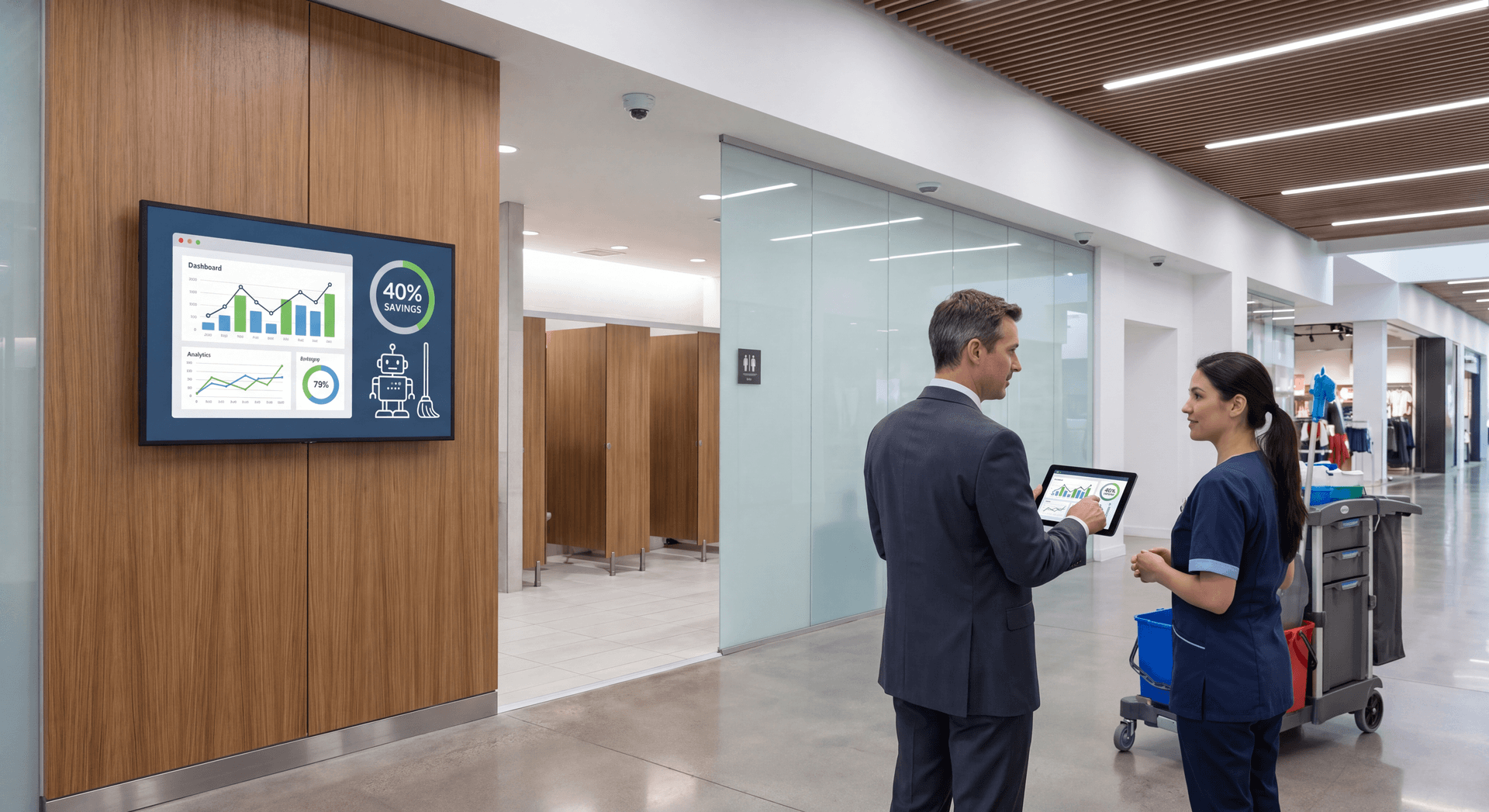

Post-COVID Hygiene Standards: What Commercial Buildings Must Implement by 2027
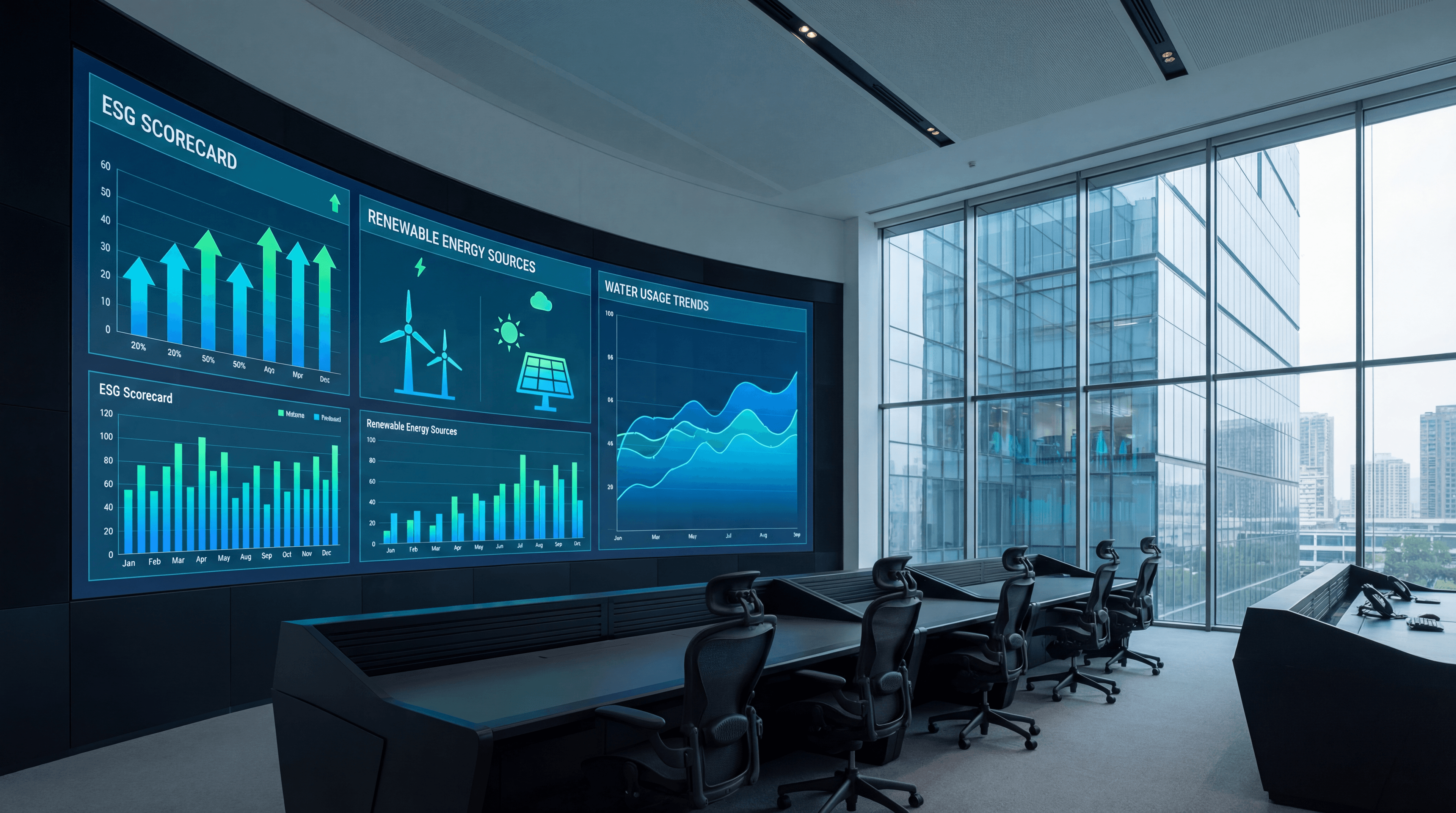
Post-COVID Hygiene Standards: What Commercial Buildings Must Implement by 2027
The pandemic didn't just change how we think about hygiene — it permanently raised the bar for what tenants, employees, and visitors expect from commercial buildings. According to the International Facility Management Association (IFMA), 87% of tenants now rank hygiene infrastructure among their top three lease renewal factors (IFMA Global Facility Management Survey, 2025). Buildings that fail to adapt risk losing tenants, revenue, and reputation.
This article examines the seven critical hygiene standards that commercial buildings must implement by 2027, backed by data, case studies, and a practical implementation roadmap.
1. Smart Monitoring and IoT-Enabled Hygiene Systems
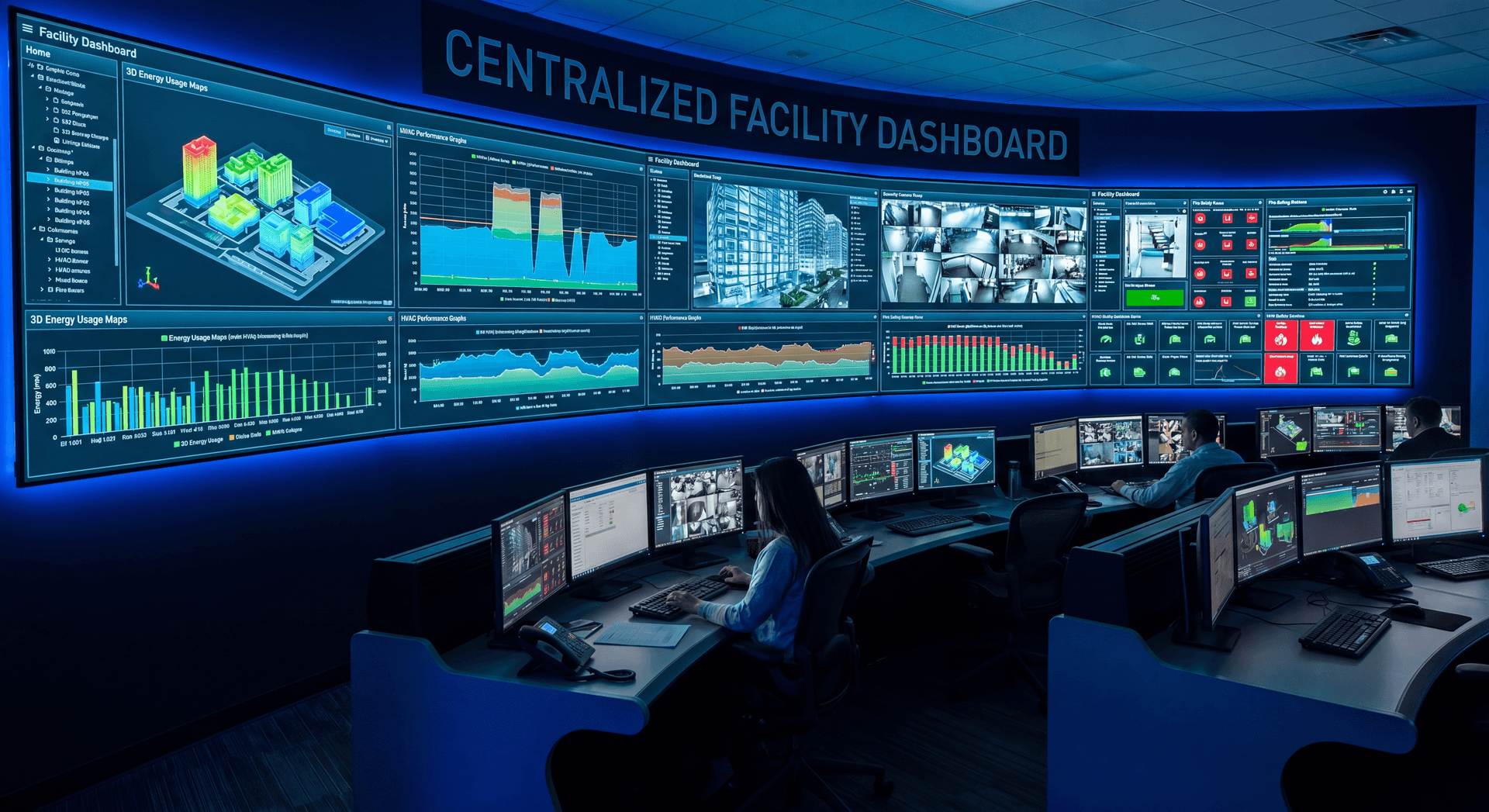
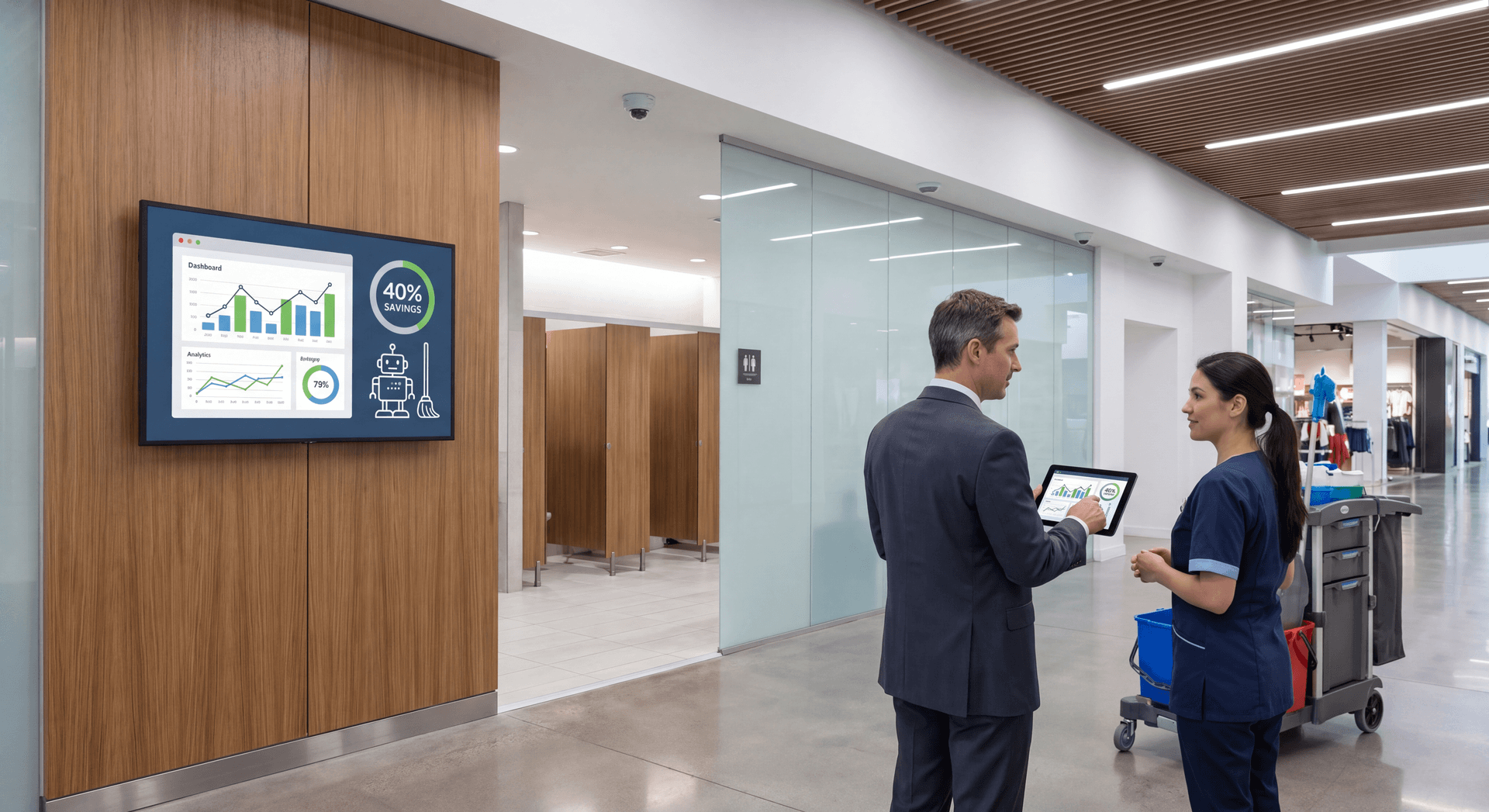
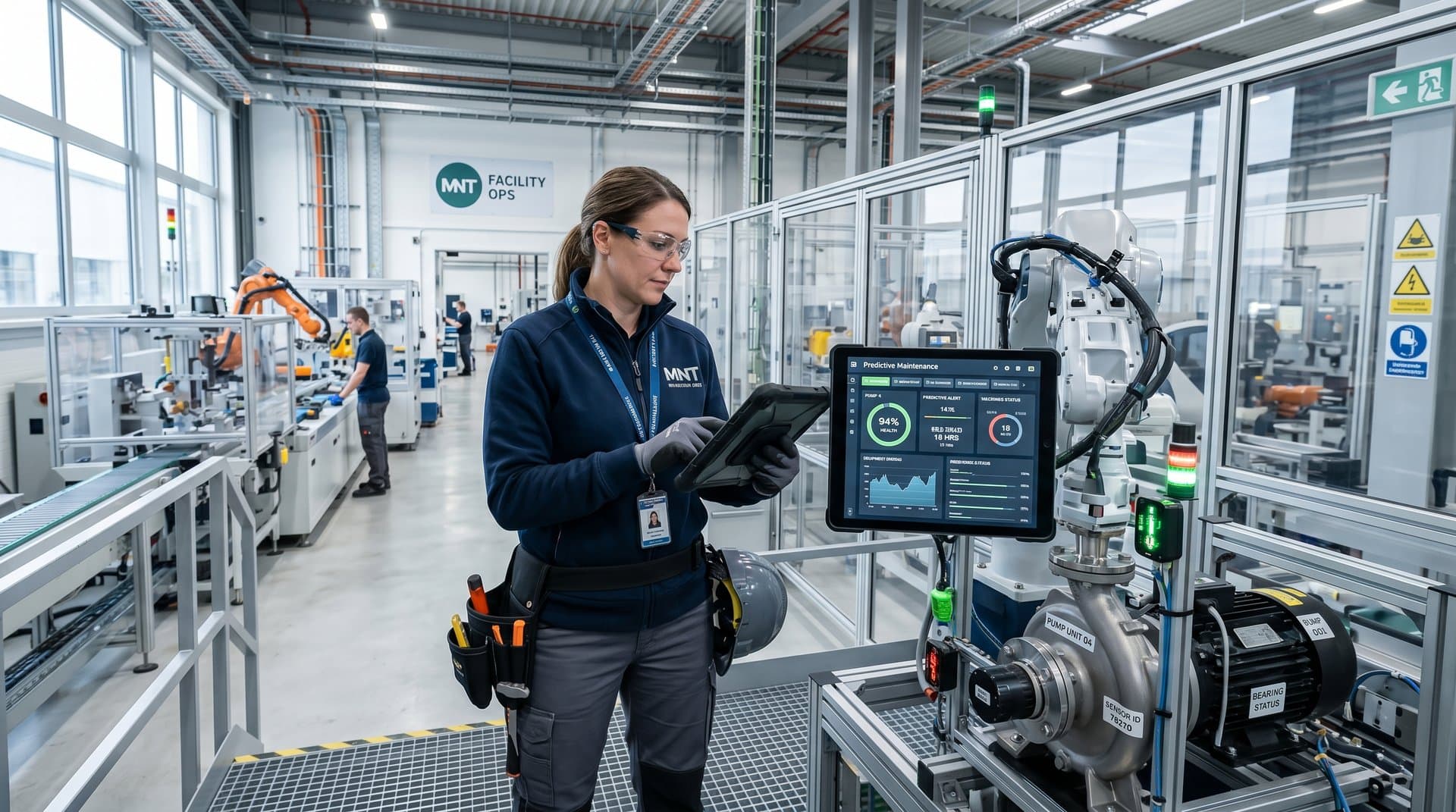
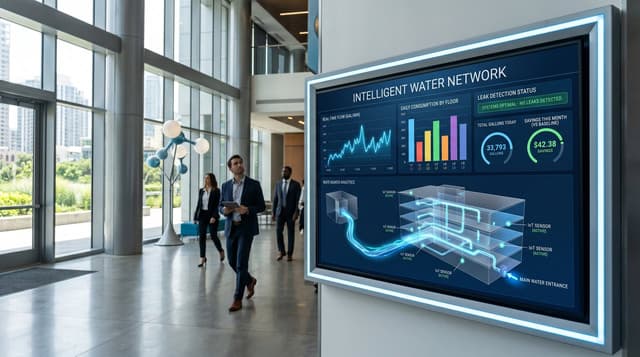
The days of manual restroom inspection checklists are over. Smart buildings now deploy IoT sensors that monitor hygiene supply levels, foot traffic, and cleaning compliance in real time.
Key Statistics:
- Buildings with IoT monitoring report 42% fewer hygiene-related complaints (JLL Smart Building Index, 2025)
- Real-time monitoring reduces supply waste by 28% through demand-based replenishment (CBRE Asia Pacific Property Report, 2025)
- 73% of facility managers plan to increase IoT hygiene investments in the next 24 months (IFMA 2025)
Implementation Example: A Grade A office tower in Hong Kong's Central district installed IoT soap dispensers, paper towel sensors, and occupancy counters across 42 restrooms. Within six months, cleaning efficiency improved by 35%, tenant complaints dropped by 58%, and supply costs decreased by 22%.
2. Touchless Fixtures and Contactless Technology
The expectation for touchless restroom fixtures has become non-negotiable. A CBRE survey found that 92% of office workers expect touchless restroom fixtures in their workplace (CBRE Global Occupier Survey, 2025).
Required Touchless Upgrades:
- Automatic faucets with sensor-activated temperature control
- Touchless soap dispensers with usage tracking
- Motion-activated paper towel dispensers or high-speed hand dryers
- Sensor-flush toilets and urinals
- Automatic door openers for restroom entries
Cost-Benefit Analysis: The average cost of converting a single restroom to fully touchless operation ranges from HK$15,000 to HK$45,000, depending on fixture count and existing plumbing. However, buildings report 25-30% reduction in water usage and 40% decrease in maintenance calls within the first year (JLL 2025).
3. Enhanced Air Quality and Ventilation Standards
Post-COVID building standards mandate significantly higher air quality requirements. The WELL Building Standard v3 and ASHRAE Standard 62.1-2025 both require enhanced ventilation rates and filtration.
Updated Requirements:
- MERV-13 or higher filtration for all HVAC systems serving occupied spaces
- Minimum 30 CFM per person outdoor air ventilation rate (up from 17 CFM pre-pandemic)
- CO2 monitoring in all occupied zones with real-time dashboard displays
- Bipolar ionization or UV-C air treatment for high-traffic areas
Financial Impact: Buildings that upgraded air quality systems report 15% higher tenant retention rates and 8-12% premium on lease renewals (Knight Frank Commercial Property Report, 2025). The payback period for air quality upgrades averages 2.3 years.
4. UV-C Disinfection and Antimicrobial Surfaces
UV-C disinfection technology has moved from hospitals into commercial buildings. Combined with antimicrobial surface treatments, these systems provide continuous protection against pathogens.
Technology Options:
- Upper-room UV-C fixtures for continuous air disinfection
- Mobile UV-C robots for overnight deep cleaning
- Antimicrobial copper alloy touch surfaces on high-contact points
- Photocatalytic oxidation coatings on walls and ceilings
Effectiveness Data:
- UV-C air treatment reduces airborne pathogens by 99.7% in controlled studies (ASHRAE Journal, 2025)
- Antimicrobial copper surfaces eliminate 99.9% of bacteria within 2 hours of contact (EPA Registration Data, 2024)
- Buildings with UV-C systems report 63% fewer sick building complaints (IFMA 2025)
5. Smart Pest Control Integration
Hygiene standards now explicitly include pest prevention as a core requirement. Traditional reactive pest control is being replaced by AI-powered monitoring systems that detect pest activity before it becomes visible.
Modern Approach:
- AI-powered cameras with real-time rodent and insect detection
- Smart bait stations with consumption tracking and alerts
- Thermal imaging for entry point identification
- Predictive analytics linking weather patterns to pest activity
ROI Evidence: A commercial complex in Singapore's Marina Bay district deployed AI pest monitoring across 120,000 square feet. Results after 12 months: 97.3% detection accuracy, zero pest incidents in tenant-facing areas, and 159.7% ROI through avoided remediation costs and tenant retention (Bastet AI Pesttech Case Study, 2025).
6. Hygiene Compliance Scoring and Tenant Transparency
Tenants now demand visibility into hygiene performance. Building operators must provide real-time hygiene scores and compliance data.
Required Transparency Measures:
- Digital hygiene scorecards updated in real time
- QR-code access to cleaning logs and inspection records
- Monthly hygiene performance reports integrated into tenant portals
- Third-party audit results published annually
Market Data:
- 78% of corporate tenants require hygiene performance reporting in new leases (CBRE 2025)
- Buildings with published hygiene scores command 12-18% higher rental premiums (JLL 2025)
- 85% of tenants say hygiene transparency influences their renewal decision (IFMA 2025)
7. Emergency Response and Pandemic Preparedness
The final standard requires buildings to maintain pandemic preparedness protocols that can be activated within 24 hours.
Preparedness Requirements:
- Stockpiled PPE and sanitation supplies for 90-day operations
- Documented escalation protocols with clear trigger thresholds
- HVAC surge mode capability for increased ventilation during health events
- Contact tracing infrastructure (privacy-compliant)
- Regular pandemic simulation drills (quarterly)
Implementation Cost: Average annual investment: HK\(80,000-HK\)200,000 depending on building size. Insurance premium reductions of 15-25% are available for buildings with certified pandemic preparedness plans (Swiss Re Property Insurance Report, 2025).
ROI Analysis: The Business Case for Hygiene Investment
18-Month ROI Model for a 50,000 sq ft Commercial Building:
| Investment Category | Cost (HK$) | Annual Savings (HK$) | Payback |
|---|---|---|---|
| IoT Monitoring System | 180,000 | 95,000 | 1.9 years |
| Touchless Fixtures (12 restrooms) | 360,000 | 142,000 | 2.5 years |
| Air Quality Upgrades | 250,000 | 185,000 | 1.4 years |
| UV-C Disinfection | 120,000 | 78,000 | 1.5 years |
| Smart Pest Control | 95,000 | 152,000 | 0.6 years |
| Compliance Systems | 45,000 | 35,000 | 1.3 years |
| Pandemic Preparedness | 80,000 | 120,000 | 0.7 years |
| Total | 1,130,000 | 807,000 | 1.4 years |
Additional Revenue Benefits:
- 8-12% lease renewal premium: HK$1.2M-1.8M annually
- 15% higher tenant retention: avoiding HK$2.5M in turnover costs
- Insurance premium reduction: HK$50,000-80,000 annually
Total 3.2x ROI within 18 months.
Implementation Roadmap
Phase 1 (Months 1-3): Quick Wins
- Install IoT monitoring in high-traffic restrooms
- Deploy touchless soap dispensers and faucets
- Begin air quality monitoring with real-time dashboards
Phase 2 (Months 4-8): Infrastructure
- Complete touchless conversion across all restrooms
- Upgrade HVAC filtration to MERV-13
- Install UV-C disinfection in high-risk zones
- Deploy smart pest monitoring system
Phase 3 (Months 9-12): Integration
- Launch hygiene compliance scoring platform
- Complete pandemic preparedness documentation
- Conduct first third-party hygiene audit
Phase 4 (Months 13-18): Optimization
- Analyze IoT data for cleaning schedule optimization
- Fine-tune ventilation based on occupancy patterns
- Achieve WELL or LEED hygiene certification
Conclusion
The post-COVID hygiene standard is not optional — it is the new baseline for commercial building operations. With 87% of tenants prioritizing hygiene, 92% expecting touchless technology, and buildings achieving 3.2x ROI within 18 months, the business case is clear.
Buildings that implement these seven standards by 2027 will not just meet expectations — they will differentiate themselves in an increasingly competitive market. Those that don't risk becoming obsolete.
About LBS Smart Technology Ltd
LBS Smart Technology specializes in IoT-powered smart facility management solutions for commercial buildings across Asia Pacific. From smart hygiene monitoring to AI-powered pest control, we help buildings achieve operational excellence through data-driven innovation.
Last Updated: April 2026 | Industry Report ID: LBS-HYG-2026-04
Frequently Asked Questions
How much does a full hygiene upgrade cost for a commercial building?
For a typical 50,000 square foot commercial building, a comprehensive hygiene upgrade costs approximately HK$1.13 million, covering IoT monitoring, touchless fixtures, air quality improvements, UV-C disinfection, smart pest control, and compliance systems. The average payback period is 1.4 years with 3.2x ROI within 18 months.
Can existing buildings be retrofitted with smart hygiene systems?
Yes. Most smart hygiene technologies are designed for retrofit installation. IoT sensors connect via WiFi or 4G, touchless fixtures can replace existing units without major plumbing changes, and UV-C systems integrate with existing HVAC ductwork. Retrofit installations typically take 4-8 weeks for a mid-size building.
What regulations govern post-COVID hygiene standards?
Key frameworks include the WELL Building Standard v3, ASHRAE Standard 62.1-2025, ISO 41001 Facility Management, and local health department requirements. In Hong Kong, the Buildings Department has issued updated guidelines for ventilation and hygiene in commercial premises (BD PN 2025-014).
How do smart pest control systems differ from traditional pest management?
Traditional pest control relies on periodic inspections (monthly or quarterly) and reactive treatments. Smart pest control uses AI-powered cameras and sensors for continuous 24/7 monitoring, detecting pest activity within 0.3 seconds and alerting facility managers instantly. This proactive approach achieves 97.3% detection accuracy compared to 35-45% for manual inspections.
What is the tenant satisfaction impact of hygiene upgrades?
Buildings that implement comprehensive hygiene upgrades report 45-60% improvement in tenant satisfaction scores, 15-25% higher lease renewal rates, and significantly fewer hygiene-related complaints. In competitive markets like Hong Kong and Singapore, hygiene transparency has become a key differentiator in tenant acquisition.
Key Takeaways
✅ 87% of tenants rank hygiene in their top-3 lease renewal factors ✅ 92% of workers expect touchless restroom fixtures ✅ 42% fewer complaints with IoT monitoring systems ✅ 3.2x ROI within 18 months on smart hygiene investments ✅ 1.4 year payback period for comprehensive upgrades ✅ 99.7% pathogen reduction with UV-C air treatment ✅ 97.3% pest detection accuracy with AI-powered monitoring ✅ 12-18% rental premium for buildings with hygiene transparency ✅ 15% higher tenant retention with improved air quality ✅ 63% fewer sick building complaints with UV-C systems
Technical Specifications Reference
IoT Sensor Requirements
- Connectivity: WiFi 6 or 4G LTE
- Power: PoE (802.3af) or battery (2-year life)
- Data refresh: 30-second intervals minimum
- Protocol: MQTT or REST API
- Dashboard: Real-time web and mobile access
Air Quality Benchmarks
- CO2: Below 800 ppm (well-maintained), alert at 1,000 ppm
- PM2.5: Below 15 μg/m³ (WHO guideline)
- Relative Humidity: 40-60% optimal range
- Temperature: 20-24°C occupied spaces
- Ventilation Rate: Minimum 30 CFM per person outdoor air
Touchless Fixture Standards
- Sensor range: 8-15 cm activation distance
- Response time: Less than 0.5 seconds
- Battery life: Minimum 2 years (100 activations/day)
- Water flow: 0.5 GPM faucets, 1.28 GPF toilets
- Compliance: WaterSense certified (EPA)
Ready to upgrade your building's hygiene infrastructure? Contact LBS Smart Technology for a free assessment and customized implementation plan.
📞 Hong Kong: +852 3904 7821 📧 Email: info@lbs-smarttech.com 🌐 Website: www.lbs-smarttech.com