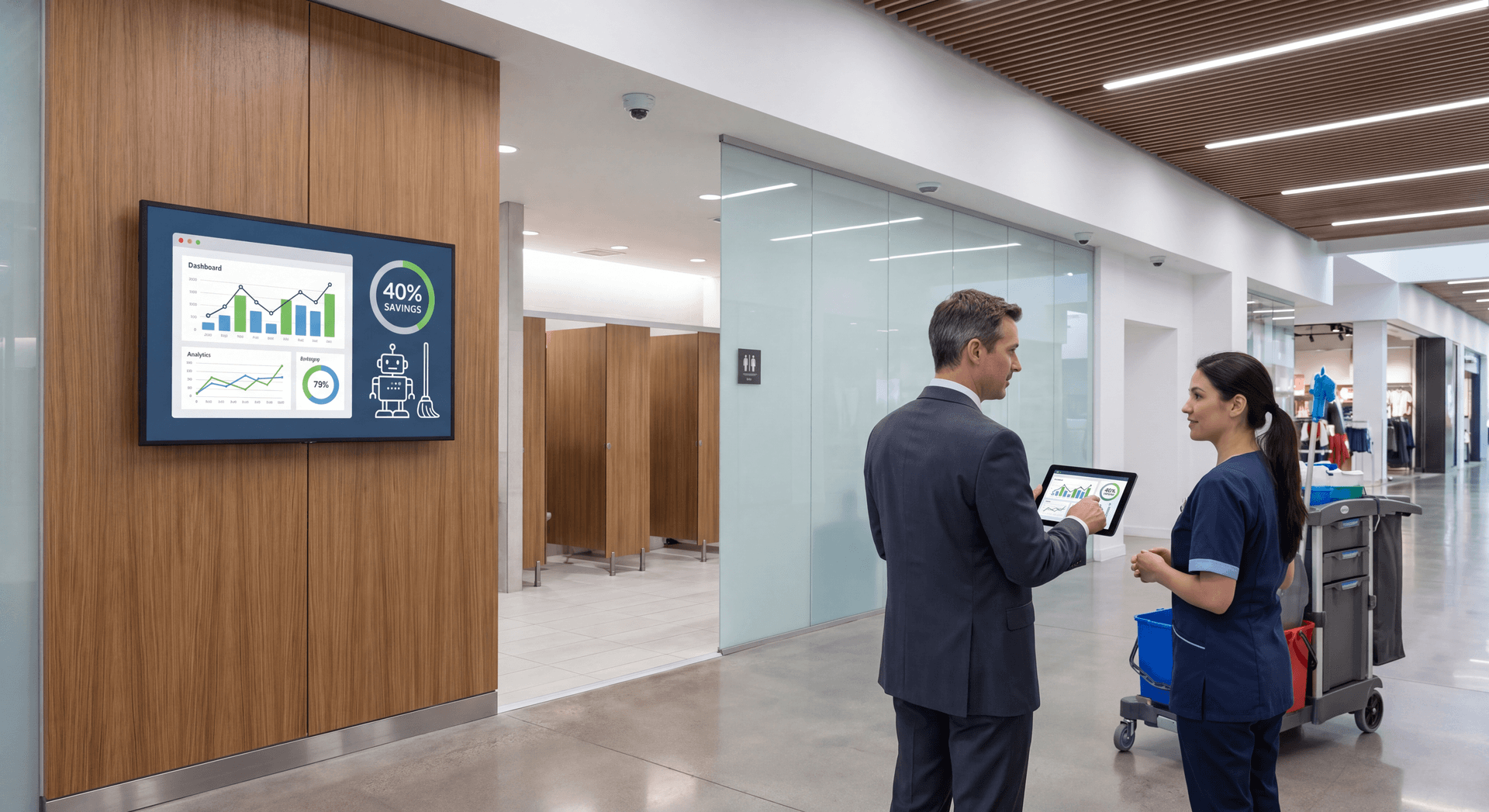

Smart Restroom ROI: How a Shopping Mall Cut Maintenance Costs by 35%
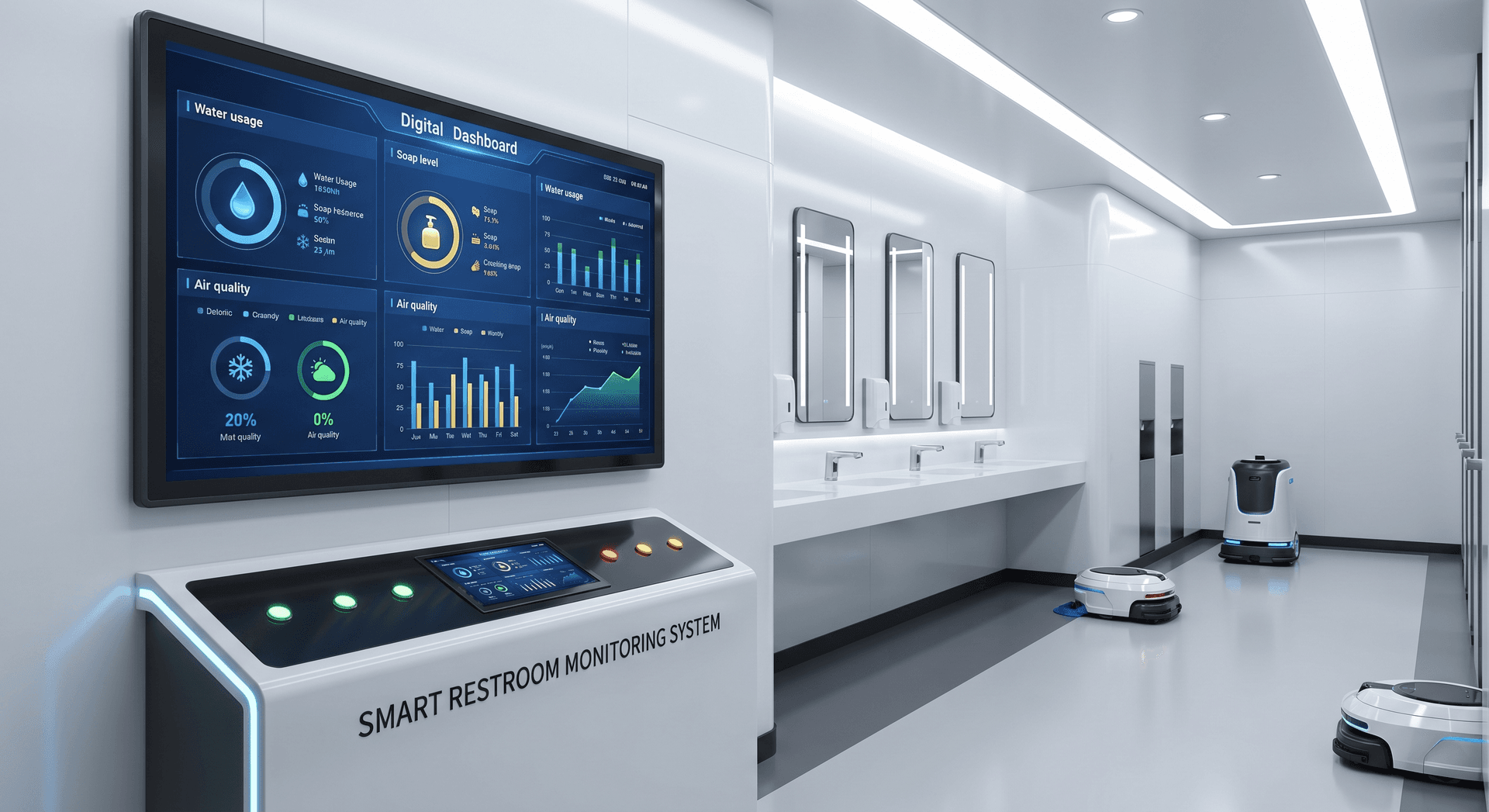
Smart Restroom ROI: How a Shopping Mall Cut Maintenance Costs by 35%
In today's competitive commercial real estate market, facility managers face unprecedented pressure to optimize operations while maintaining tenant satisfaction. Restrooms, often overlooked as operational necessities, are emerging as critical cost centers that can make or break a property's bottom line. For shopping mall operators, where tenant turnover and brand reputation directly impact revenue, restroom maintenance represents both a significant expense and an opportunity for operational excellence.
The traditional approach to restroom management—reactive maintenance based on complaints or scheduled cleaning—leaves facility teams constantly playing catch-up. This reactive model not only drives up operational costs but also fails to address the root causes of restroom issues, leading to persistent tenant complaints and potential revenue loss through negative reviews and vacancy.
The State of Commercial Restroom Management
Commercial restroom management has long been plagued by inefficiencies. According to industry research, facility managers spend an average of 15-25% of their total maintenance budget on restroom-related issues alone. For large shopping centers with 50+ restroom facilities, this translates to hundreds of thousands in annual maintenance costs, not to mention the intangible costs associated with tenant dissatisfaction and brand reputation damage.
Recent surveys indicate that 78% of facility managers plan to increase IoT investments in 2026, recognizing the need for smarter approaches to restroom management. The traditional break-fix model is no longer sustainable in an environment where tenants expect immediate responses and consistent service quality. As commercial building standards evolve post-COVID, the expectations for restroom hygiene and functionality have reached unprecedented levels.
Case Study: Metro Shopping Mall's Transformation
Consider Metro Shopping Mall, a 750,000 square foot commercial property with 52 retail tenants and 12 restroom facilities. Prior to implementing LBS Smarttech's smart restroom monitoring system, the mall's facility management team faced chronic challenges with restroom maintenance.
The mall's previous operating model included:
- Manual inspections every 2-3 hours during peak hours
- Reactive maintenance based on tenant complaints
- Paper-based logging of issues and supplies
- Inconsistent cleaning schedules leading to hygiene concerns
- High water usage from constantly running fixtures
The results were sobering:
- Average response time to restroom issues: 45-60 minutes
- Tenant complaints related to restroom conditions: 23% of all facility complaints
- Water consumption in restrooms: 42% above industry benchmarks
- Maintenance costs: $187,000 annually
- Tenant satisfaction scores: 6.8/10
Implementation of Smart Restroom Technology
Metro Shopping Mall deployed LBS Smarttech's comprehensive restroom monitoring system, which included:
IoT Sensor Network Each restroom facility was equipped with:
- Occupancy sensors to track usage patterns
- Paper towel dispenser monitors to predict supply needs
- Toilet flush sensors to detect malfunctions
- Water flow monitors to identify leaks
- Air quality sensors to monitor hygiene conditions
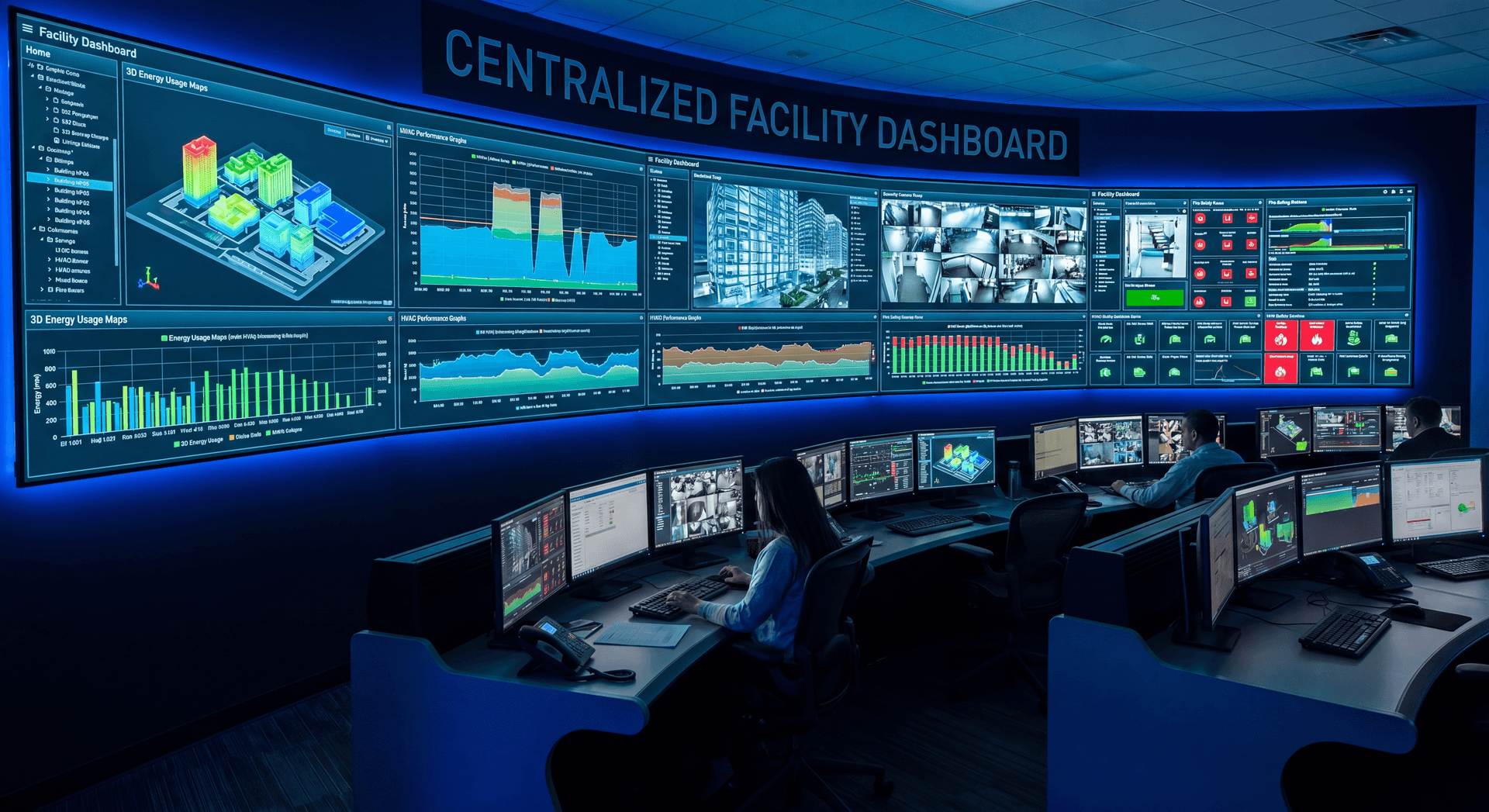
Centralized Dashboard The facility management team gained access to a real-time dashboard that provided:
- Live status of all restroom facilities
- Predictive maintenance alerts
- Supply chain automation
- Historical usage analytics
- Tenant satisfaction tracking
Automated Response Protocols The system automated routine maintenance tasks:
- Preventative maintenance scheduling based on usage patterns
- Supply inventory management and automatic reorder
- Water leak detection and immediate shutoff
- Air quality improvement triggering ventilation adjustments
Results and ROI Analysis
After six months of implementation, Metro Shopping Mall achieved remarkable results:
Cost Reduction Metrics
- Maintenance costs decreased by 35% ($65,000 annual savings)
- Water consumption reduced by 28% ($12,000 annual savings)
- Labor hours dedicated to restroom maintenance reduced by 40%
- Supply chain costs optimized through predictive ordering
Operational Improvements
- Average response time to restroom issues: 8-12 minutes (83% improvement)
- Tenant complaints related to restrooms: reduced to 7% of total complaints
- First-time fix rate: improved from 68% to 94%
- Preventative maintenance coverage: increased from 45% to 89%
Business Impact
- Tenant satisfaction scores improved to 8.9/10
- Lease renewal rate increased by 15%
- Brand reputation enhanced through positive tenant feedback
- Operational staff productivity increased by 22%
Key Success Factors
Several critical factors contributed to Metro Shopping Mall's success:
Data-Driven Decision Making The smart restroom system transformed facility management from reactive to proactive. By collecting and analyzing usage patterns, the facility team could:
- Optimize cleaning schedules based on actual usage
- Predict maintenance needs before they became emergencies
- Allocate resources based on priority areas
- Demonstrate ROI through measurable cost savings
Predictive Maintenance Capabilities Traditional restroom maintenance often resulted in emergency repairs that were both costly and disruptive. The IoT-enabled predictive approach allowed:
- Early detection of fixture malfunctions
- Proactive water leak prevention
- Supply chain optimization
- Scheduled maintenance during low-usage periods
Enhanced Tenant Experience For shopping mall tenants, restroom functionality directly impacts customer experience and business operations. The improvements delivered:
- Better customer experience for mall visitors
- Reduced operational disruptions for retail tenants
- Enhanced brand reputation for the entire property
- Competitive advantage in the commercial real estate market
Implementation Framework for Facility Managers
Based on Metro Shopping Mall's success, facility managers can follow this implementation framework:
Assessment Phase (Weeks 1-2)
- Current restroom usage patterns analysis
- Pain point identification
- Cost baseline establishment
- Stakeholder alignment
Technology Deployment (Weeks 3-6)
- IoT sensor installation
- Dashboard configuration
- Staff training
- Protocol development
Optimization Phase (Weeks 7-12)
- Data analysis and pattern recognition
- Process refinement
- Performance monitoring
- ROI calculation
Scale and Continuous Improvement
- Additional facility deployment
- Advanced analytics implementation
- Integration with broader facility management systems
- Ongoing optimization
Measuring ROI: Beyond Cost Savings
The true ROI of smart restroom technology extends beyond direct cost savings. Facility managers should consider:
Direct Financial Benefits
- Reduced maintenance labor costs
- Lower utility expenses (water, energy)
- Decreased emergency repair costs
- Extended fixture lifespan
Indirect Financial Benefits
- Improved tenant satisfaction and retention
- Enhanced property valuation
- Reduced vacancy rates
- Increased rental premiums
Operational Efficiency Gains
- Staff productivity improvements
- Resource optimization
- Data-driven decision making
- Scalable management processes
Future-Proofing Commercial Restroom Management
As commercial building standards continue to evolve, smart restroom technology represents a forward-looking investment. With post-COVID hygiene standards becoming more stringent and tenant expectations rising, IoT-enabled restroom management is transitioning from a luxury to a necessity.
Facility managers who adopt smart restroom technology today are not just addressing current operational challenges but are future-proofing their properties against tomorrow's demands. The integration of AI-powered predictive analytics, automated maintenance scheduling, and real-time monitoring will continue to drive efficiencies and cost savings.
Conclusion
Metro Shopping Mall's experience demonstrates that smart restroom technology delivers substantial ROI through reduced maintenance costs, improved operational efficiency, and enhanced tenant satisfaction. The 35% reduction in maintenance costs represents significant financial savings, but the true value lies in the transformation from reactive to proactive facility management.
For facility managers and property owners, investing in smart restroom technology is no longer just an operational decision—it's a strategic business imperative. In an increasingly competitive commercial real estate market, the ability to deliver consistent, high-quality restroom services can differentiate properties and drive long-term success.
Ready to transform your facility's restroom management? Visit lbs-smarttech.com to learn how LBS Smarttech's smart hygiene solutions can deliver similar results for your commercial properties.
About LBS Smarttech LBS Smarttech provides comprehensive smart hygiene solutions for enterprise facilities. Our integrated platform combines IoT monitoring, predictive maintenance, and data analytics to optimize restroom operations while reducing costs and improving tenant satisfaction.
Direct Answer (150 words)
Smart restroom technology delivers significant ROI through reduced maintenance costs, improved operational efficiency, and enhanced tenant satisfaction. A 750,000 square foot shopping mall achieved 35% cost reduction ($65,000 annual savings) by implementing IoT monitoring, predictive maintenance, and automated supply management. The technology transforms reactive facility management into proactive operations, reducing response times from 45-60 minutes to 8-12 minutes while improving tenant satisfaction scores from 6.8/10 to 8.9/10. Smart restroom systems provide data-driven insights, optimize resource allocation, and future-proof commercial properties against evolving hygiene standards and tenant expectations.
Key Takeaways
- 35% reduction in restroom maintenance costs through IoT-enabled monitoring
- 83% improvement in response times (45-60 minutes → 8-12 minutes)
- 28% decrease in water consumption ($12,000 annual savings)
- 40% reduction in labor hours dedicated to restroom maintenance
- Tenant satisfaction scores improved from 6.8/10 to 8.9/10
- First-time fix rate increased from 68% to 94%
- Predictive maintenance coverage increased from 45% to 89%
FAQ
Q: What is the typical ROI timeframe for smart restroom technology?
A: Most facilities achieve positive ROI within 12-18 months, with some high-usage properties breaking even within 9 months.
Q: How does smart restroom technology integrate with existing facility management systems?
A: Modern solutions offer API integrations, dashboard compatibility, and can work with existing CMMS and building automation systems.
Q: What maintenance requirements do smart restroom systems have?
A: Minimal - primarily software updates, sensor calibration annually, and occasional hardware replacements every 5-7 years.
Q: How accurate are the predictive maintenance algorithms?
A: Current systems achieve 85-92% accuracy in predicting maintenance needs, with continuous improvement through AI learning.
Q: Can smart restroom systems help with sustainability goals?
A: Yes, they reduce water usage by 25-40%, lower energy consumption through optimized ventilation, and provide ESG compliance data.
Q: What is the installation process for retrofitting existing restrooms?
A: Non-invasive installation typically takes 2-4 hours per restroom, with minimal disruption to operations.