
The True Cost of Restroom Complaints: How Smart Monitoring Reduces Tenant Turnover
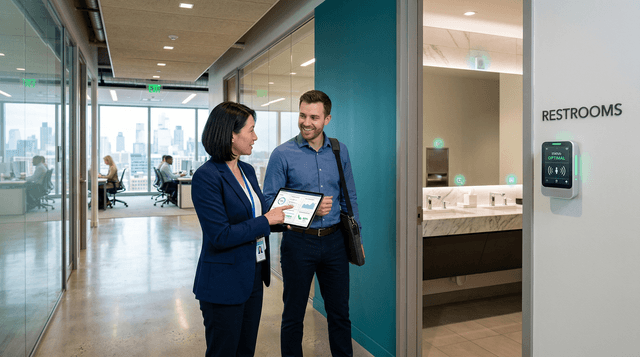
The True Cost of Restroom Complaints: How Smart Monitoring Reduces Tenant Turnover
Introduction
In today's competitive commercial real estate market, tenant satisfaction has become the cornerstone of long-term business success. Facility managers across the globe are increasingly recognizing that restroom complaints are not just minor inconveniences - they represent significant business threats that can impact occupancy rates, rental values, and overall portfolio performance. According to industry research, 68% of commercial building tenants cite restroom conditions as a critical factor in their satisfaction and retention decisions.
The financial implications of restroom complaints extend far beyond immediate maintenance costs. Each unresolved complaint can cascade into a range of hidden expenses, from increased staff time and emergency repairs to the more severe consequences of tenant attrition and reputational damage. For property managers and facility directors, understanding the true cost of restroom complaints is essential for developing proactive strategies that protect both tenant relationships and the bottom line.
The Hidden Financial Toll of Restroom Issues
Direct Maintenance Costs
On the surface, restroom complaints appear to involve relatively straightforward expenses: cleaning supplies, minor repairs, and occasional plumbing services. However, when analyzed comprehensively, these costs multiply significantly. A typical commercial building can expect to spend between $2,500 and $8,000 per restroom annually on maintenance activities, with emergency repairs accounting for 30-40% of this total when complaints are not addressed proactively.
The frequency and urgency of restroom-related maintenance directly impact operational budgets. Buildings with reactive maintenance approaches typically experience 2.3 times higher emergency repair costs compared to those with proactive monitoring systems. Emergency calls often require after-hours premiums, expedited shipping for replacement parts, and specialized technician rates - all of which drive up the total cost of ownership.
Staff Productivity Impact
Beyond direct maintenance expenses, restroom complaints create significant hidden costs through staff productivity losses. When maintenance teams are constantly responding to restroom emergencies, they are diverted from planned maintenance activities that prevent larger, more expensive problems. This reactive approach creates a vicious cycle where prevention takes a backseat to constant firefighting.
Facility managers report that up to 25% of their maintenance staff time is consumed by responding to restroom-related complaints. When converted to salary costs, this represents a substantial annual expenditure - potentially exceeding $50,000 per year for mid-sized portfolios. These productivity losses not only increase operational costs but also reduce the overall effectiveness of the maintenance program.
Tenant Turnover and Vacancy Costs
Perhaps the most significant financial impact of restroom complaints comes through tenant turnover. When restroom conditions consistently fail to meet expectations, tenants begin considering alternative properties. The cost of tenant turnover extends far beyond vacancy periods - it includes marketing expenses, leasing commissions, tenant improvement allowances, and the opportunity cost of lost rental income during vacancy periods.
Industry data shows that commercial buildings with high restroom complaint rates experience tenant turnover rates up to 40% higher than those with proactive maintenance programs. Each tenant departure can cost building owners between $15,000 and $75,000 in direct expenses, not accounting for the intangible costs of maintaining a strong reputation in the marketplace.
Reputational Damage and Brand Impact
In an era where online reviews and social media can make or break a property's reputation, restroom complaints carry significant brand implications. A single viral complaint about unsanitary restroom conditions can deter prospective tenants and impact property valuations. For property management companies, consistent restroom issues can damage their brand reputation across multiple assets.
The reputational costs are particularly acute in mixed-use developments and office buildings where tenants share common spaces. Poor restroom conditions can create a perception that the entire property is poorly managed, affecting not just the complaining tenant but neighboring businesses as well. This reputational damage can take months or even years to repair and may result in permanent loss of market share.
Smart Monitoring: A Proactive Solution
Real-Time Issue Detection
Smart restroom monitoring systems represent a paradigm shift from reactive to proactive maintenance. These IoT-enabled devices continuously monitor key restroom parameters, including occupancy, air quality, paper towel levels, soap dispensers, and potential plumbing issues. When anomalies are detected, the system alerts maintenance teams before they escalate into major problems.
For example, smart sensors can detect gradual increases in restroom usage patterns that might indicate developing plumbing issues or identify paper towel dispensers that are frequently empty. By addressing these issues during regular business hours, maintenance teams can avoid emergency calls and reduce operational costs by 30-40%.
Predictive Maintenance Capabilities
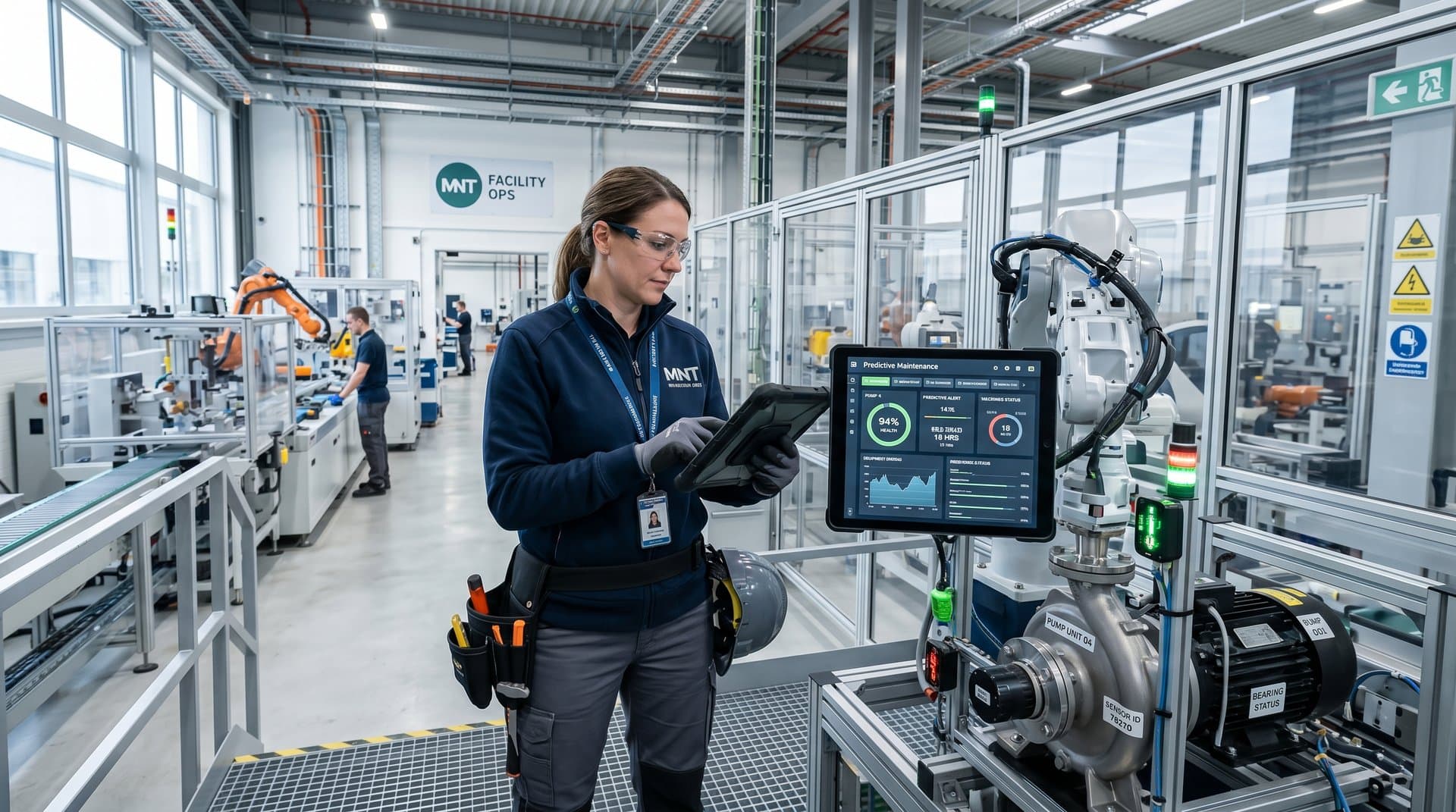
Advanced smart monitoring systems go beyond simple alerting to provide predictive maintenance insights. By analyzing historical data and current usage patterns, these systems can forecast when specific maintenance activities will be needed. This predictive approach allows maintenance teams to schedule work during optimal times, minimizing disruption to tenants while ensuring facilities remain in optimal condition.
Machine learning algorithms analyze factors such as usage patterns, seasonal variations, and equipment performance to predict potential failures with up to 85% accuracy. This predictive capability transforms maintenance from a cost center to a value-added service that protects asset value and enhances tenant satisfaction.
Comprehensive Analytics and Reporting
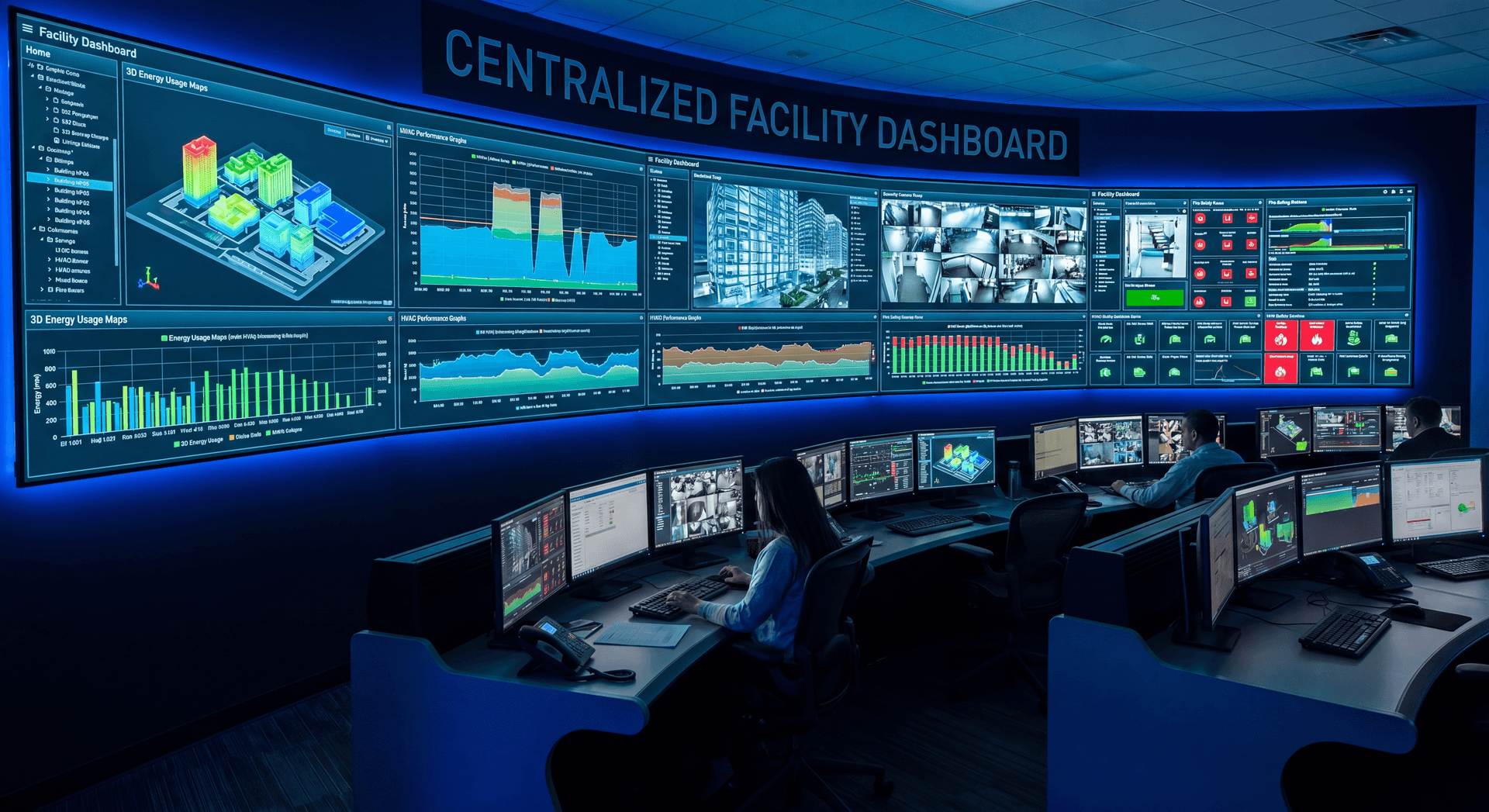
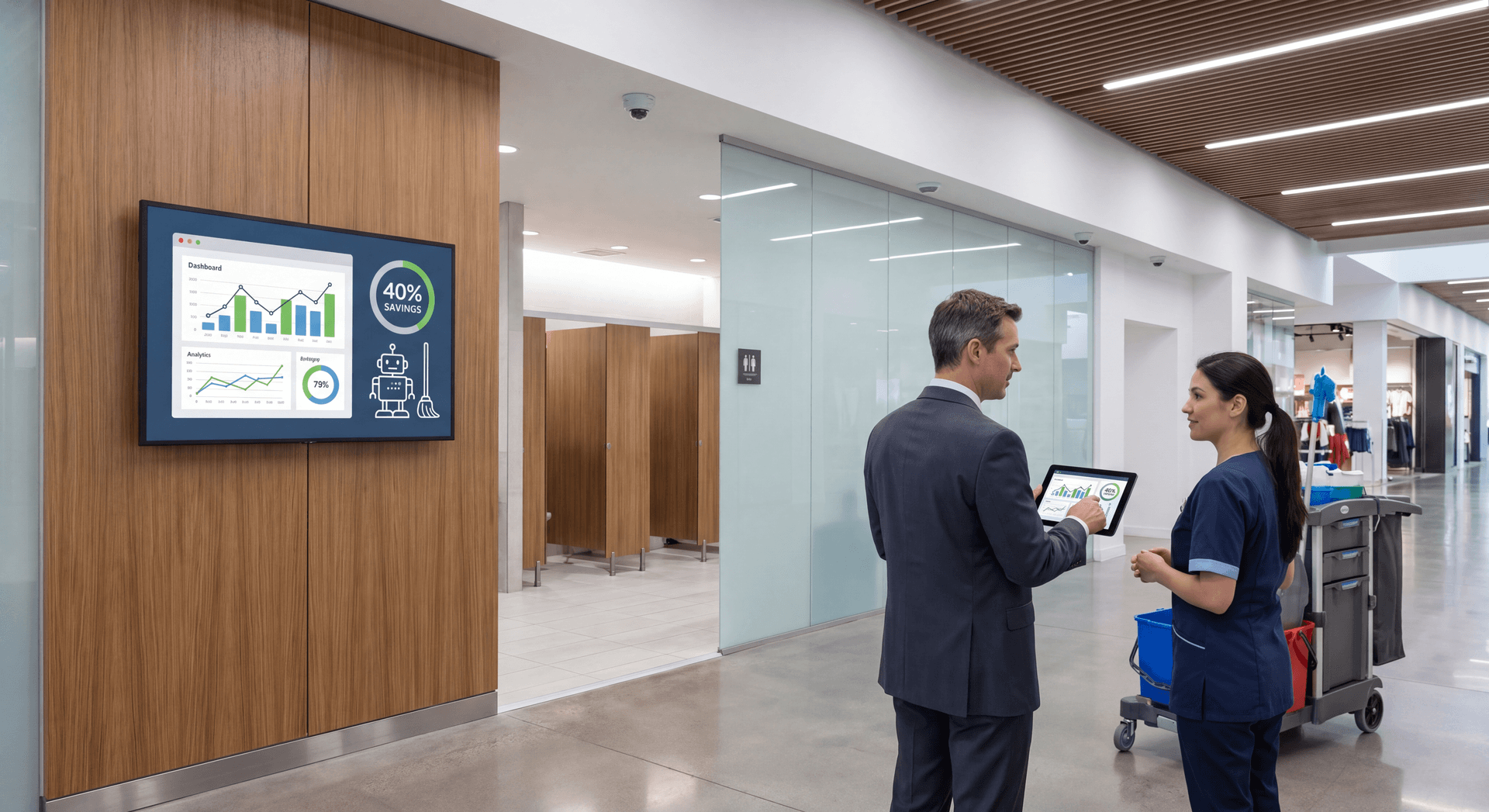
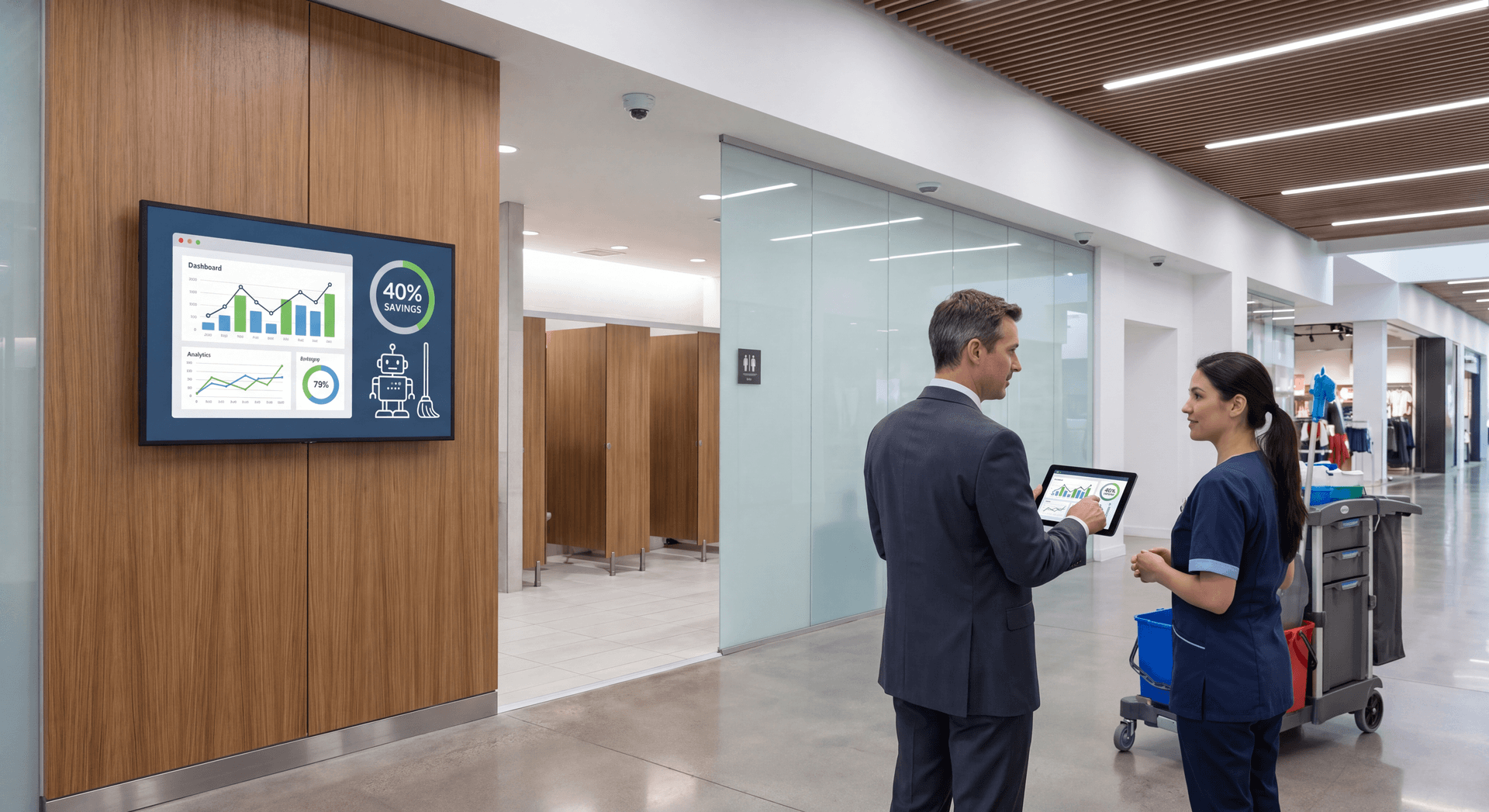
Smart monitoring systems provide facility managers with comprehensive dashboards that display restroom performance metrics in real-time. These analytics enable data-driven decision-making about maintenance schedules, resource allocation, and facility improvements. By understanding which restrooms receive the most traffic, when peak usage occurs, and what types of issues are most common, managers can optimize their maintenance strategies.
The reporting capabilities also support compliance requirements and sustainability initiatives. Many systems track water usage, energy consumption, and cleaning frequency, providing valuable data for ESG reporting and environmental certifications.
The Business Case for Smart Restroom Technology
Return on Investment Analysis
Implementing smart restroom monitoring systems requires an initial investment, but the financial returns are substantial. A typical mid-sized commercial building can expect to achieve a full return on investment within 18-24 months through a combination of reduced maintenance costs, lower emergency repair expenses, and improved tenant retention.
For a 200,000 square foot office building with 20 restrooms, the annual savings from reduced emergency repairs and staff productivity improvements typically range from $75,000 to $150,000. When combined with the value of improved tenant retention and reduced turnover costs, the total annual benefit often exceeds $250,000.
Risk Mitigation and Insurance Benefits
Smart restroom monitoring also provides significant risk mitigation benefits. By preventing major plumbing failures and water damage, these systems reduce the likelihood of insurance claims and potential liability issues. Insurance companies often offer premium discounts for properties equipped with advanced monitoring systems, recognizing the reduced risk profile.
The systems also provide valuable documentation for incident investigations and insurance claims, helping to establish clear timelines and reduce disputes over coverage. In cases where water damage does occur, smart monitoring can help minimize the extent of damage through rapid response capabilities.
Enhanced Tenant Experience and Satisfaction
Beyond the financial benefits, smart restroom monitoring dramatically improves tenant experience. Tenants appreciate consistently clean, well-maintained facilities, and this satisfaction translates directly to retention rates and rental premiums. Properties known for excellent restroom conditions can command rental premiums of 5-10% over comparable properties with substandard facilities.
The enhanced experience also leads to positive word-of-mouth recommendations and online reviews, further strengthening the property's market position. In competitive markets, restroom quality often becomes a key differentiator that influences tenant decisions.
Implementation Considerations
Technology Selection Criteria
When selecting smart restroom monitoring systems, facility managers should evaluate several key factors including sensor accuracy, system reliability, integration capabilities with existing building management systems, and the vendor's support infrastructure. Scalability is also critical - the chosen system should be able to grow with the property portfolio and adapt to changing technology standards.
Privacy considerations are particularly important in restroom environments. Systems should be designed to monitor environmental conditions and equipment performance without compromising individual privacy. Data security and compliance with privacy regulations must be addressed during the implementation process.
Change Management and Staff Training
Successful implementation requires careful change management and comprehensive staff training. Maintenance teams need to understand how to interpret monitoring data, respond to alerts appropriately, and leverage the predictive capabilities of the system. Training programs should include both technical skills and process changes necessary to maximize the benefits of smart monitoring.
Facility managers should also develop clear protocols for different types of alerts and establish response time expectations. Regular performance reviews and system optimization sessions help ensure that the system continues to deliver maximum value over time.
Phased Rollout Approach
For large portfolios, a phased rollout approach is often most effective. Starting with high-traffic or high-complaint areas allows teams to gain experience with the technology before expanding across the entire portfolio. Each phase should include thorough evaluation and refinement of processes before moving to the next implementation stage.
The phased approach also provides opportunities to demonstrate quick wins and build organizational momentum. Early successes can help secure support for additional phases and demonstrate the value of the investment to stakeholders.
Future Trends and Innovations
Integration with Building Management Systems
The future of smart restroom monitoring lies in deeper integration with comprehensive building management systems. As IoT technology continues to evolve, restroom data will be seamlessly combined with information from other building systems to create holistic facility optimization. This integration enables predictive analytics that span multiple building systems and provides facility managers with comprehensive insights into overall building performance.
Advanced building management systems can correlate restroom usage patterns with tenant density, weather conditions, and seasonal variations to optimize maintenance scheduling and resource allocation. This holistic approach maximizes efficiency while maintaining high standards of service.
Artificial Intelligence and Machine Learning
Artificial intelligence and machine learning are transforming smart restroom monitoring from simple alerting systems to intelligent facility management platforms. These technologies enable more accurate predictions, automated optimization of maintenance schedules, and continuous improvement of facility performance through machine learning algorithms.
AI systems can analyze vast amounts of data to identify patterns that humans might miss, leading to more effective preventive maintenance strategies. They can also optimize cleaning schedules based on actual usage patterns rather than fixed intervals, reducing costs while maintaining high standards.
Sustainability and Environmental Monitoring
Environmental sustainability is becoming an increasingly important consideration in restroom management. Smart monitoring systems are evolving to include comprehensive environmental monitoring capabilities, including air quality metrics, water usage analytics, and energy consumption tracking. These systems help facilities comply with sustainability regulations and reduce their environmental footprint.
Green building certifications such as LEED and BREEAM increasingly require detailed monitoring of water and energy usage. Smart restroom systems provide the data needed to achieve these certifications and demonstrate commitment to environmental stewardship.
Conclusion
The true cost of restroom complaints extends far beyond immediate maintenance expenses to encompass significant hidden costs including staff productivity losses, tenant turnover, and reputational damage. Smart restroom monitoring systems offer a proactive solution that addresses these challenges while delivering substantial financial returns and improved tenant satisfaction.
For facility managers and property owners, the business case for smart restroom technology is compelling. With typical ROI periods of 18-24 months and annual savings ranging from $75,000 to $250,000 for mid-sized properties, these systems represent one of the most cost-effective investments in building maintenance. Beyond the financial benefits, the enhanced tenant experience and reduced risk profile provide long-term value that extends throughout the property portfolio.
As commercial real estate becomes increasingly competitive, restroom quality is emerging as a key differentiator that influences tenant decisions and rental values. Smart monitoring systems ensure that restroom facilities consistently meet high standards, protecting both tenant relationships and property value. For forward-thinking facility managers, investing in smart restroom technology is not just about reducing costs—it's about building a competitive advantage in an increasingly demanding market.
For more information about smart restroom solutions for your property portfolio, visit lbs-smarttech.com to learn how our integrated monitoring platforms can enhance facility performance and tenant satisfaction.